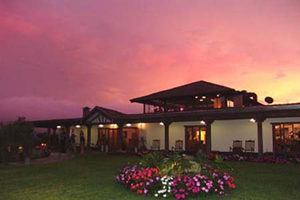




Rancho Naturalista is a dedicated birding lodge on a forested ridge near Tuis, in the hills east of Turrialba, with more than 120 acres of private reserve on the Caribbean slope. Its upstairs balcony is one of the best-known hummingbird-watching spots in Central America, and its forest streams, where tiny Snowcaps come to bathe, are a pilgrimage for birders and photographers. It suits anyone who wants expert local guides, family-style meals and birds from dawn to dusk.
At a glance
| Location | 1 km past the village of Tuis, near Turrialba, Cartago province |
|---|---|
| Style | Small birding lodge: rooms in the main house, forest cabins and a separate villa |
| Setting | Caribbean-slope pre-montane rainforest, roughly 880 to 1,200 m |
| Best for | Birders, bird photographers and naturalists of any level |
| Getting there | Highways 2 and 10 via Cartago and Turrialba, then 1.8 km of rough dirt road |
| CST status | Not in the official CST directory on 2026-Oct-21 |
Where it is
The lodge sits above the Tuis valley, east of Turrialba town, on the forested slopes that drop from the central volcanoes toward the Caribbean lowlands. The lodge’s driving instructions take you from San José to Cartago on Highway 2, on to Turrialba on Highway 10, then onto Route 414 through La Suiza to Tuis. One kilometer past Tuis, a signed 1.8 km dirt road with rocky and cemented stretches climbs to the lodge. A high-clearance 4×4 is recommended, though an ordinary car can make it.
From the balcony you look out at Turrialba Volcano, one of Costa Rica’s most active. The lodge describes the climate as comfortable year-round, never too hot or too cold, a result of its middle elevation.
The reserve
According to the birdwatching page, Rancho Naturalista covers more than 120 acres and connects with neighboring forested properties to form a larger protected block of Caribbean pre-montane rainforest. More than 7 km of trails run from about 880 to 1,200 meters through advanced secondary and primary forest, plus an orchard of native fruit trees planted to attract birds. A downloadable trail map lets you head out on your own, though the lodge recommends a guide because the trail system can be confusing.
Birds
The lodge’s checklist runs to more than 450 species recorded in the reserve and the surrounding area. The birds page describes what draws people here:
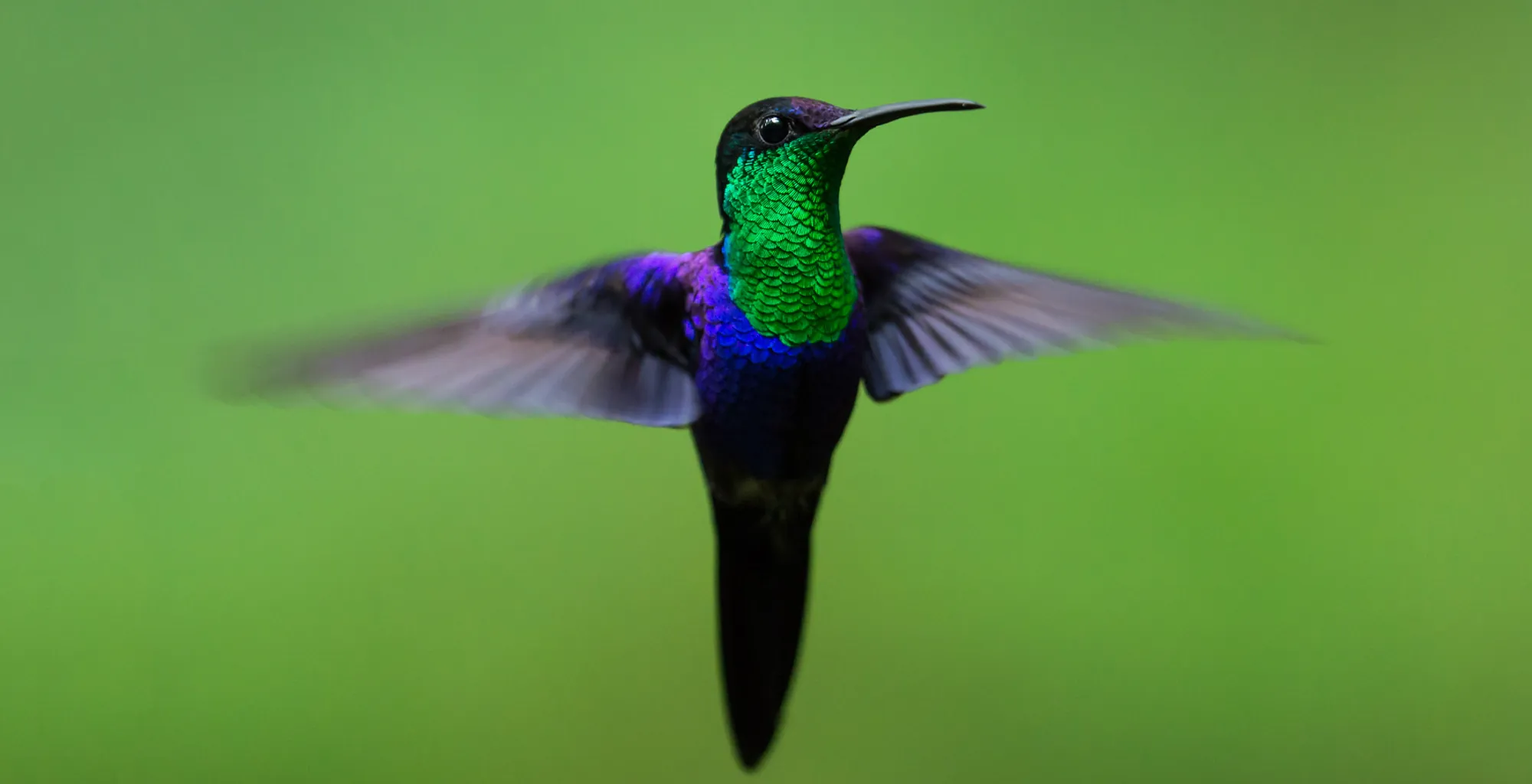
- The balcony. Hummingbird feeders on the upstairs veranda attract a rotating cast that can include Violet-crowned Woodnymph, White-necked Jacobin, Green Thorntail, Violet Sabrewing and Green-crowned Brilliant.
- Hummingbird pools. Shallow forest streams where hummingbirds, including the Snowcap and Purple-crowned Fairy, come to bathe, joined by shy ground birds such as Tawny-throated Leaftosser and Great Tinamou.
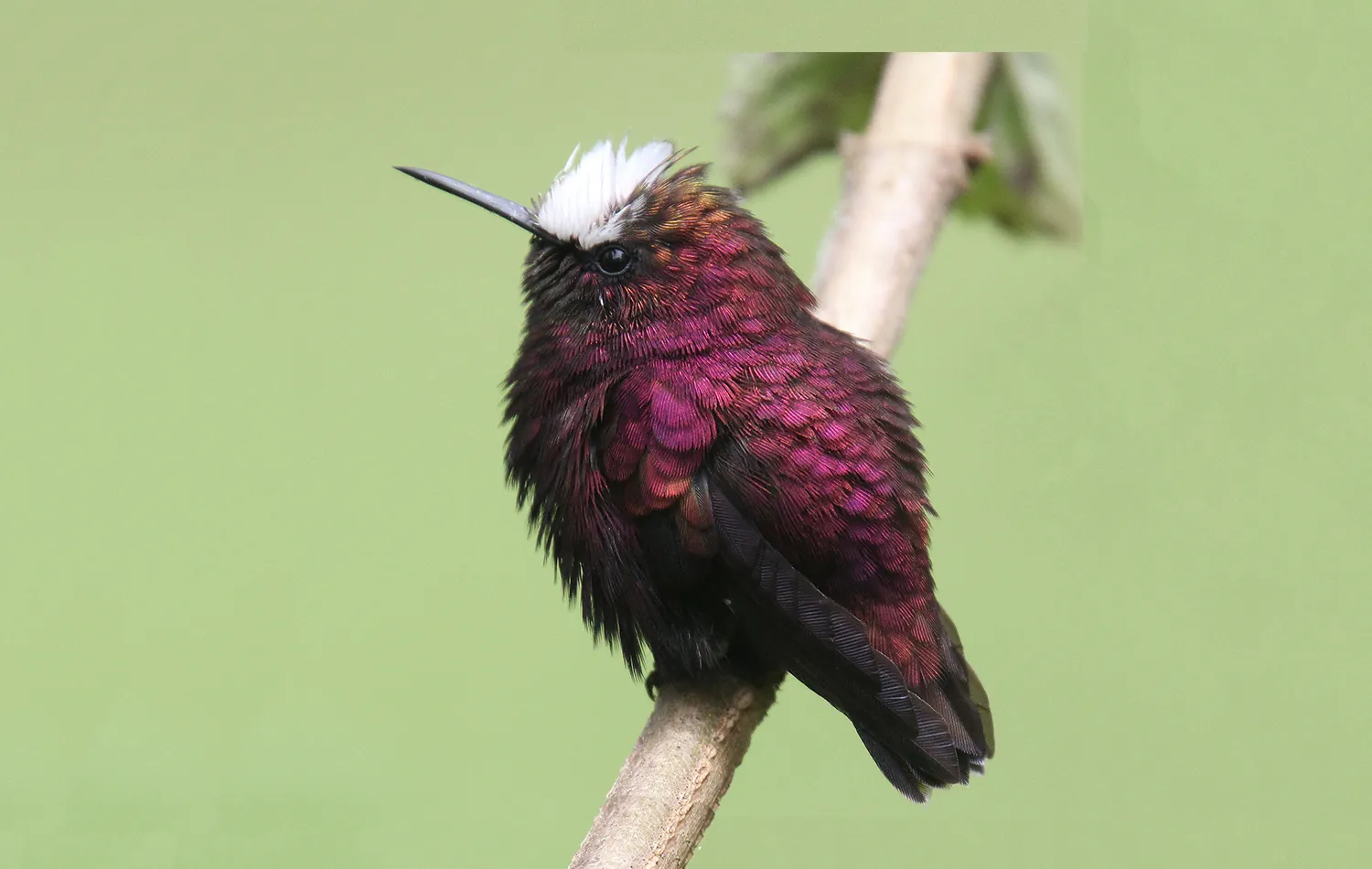
- Specialties. The Snowcap, one of the world’s smallest hummingbirds and the top target for many visitors, is a regular in the gardens. The Black-crested Coquette is a frequent visitor. The Tawny-chested Flycatcher, which BirdLife International lists as Vulnerable, breeds here regularly. White-throated Flycatcher, Lovely Cotinga and the elusive Thicket Antpitta are also possible.
- Fruit feeders in the gardens bring in Lesson’s Motmots, two species of oropendola, Grey-headed Chachalacas, euphonias and tanagers.
The resident guides are bilingual, highly experienced birders who work freelance and are paid directly by guests. The lodge’s website profiles each of them. One, Mercedes Alpízar, recorded 707 species in a 2017 Costa Rica Big Year and runs a nonprofit that teaches rural schoolchildren about birds. Guides are subject to availability, so book ahead if you want one for every outing.
Day trips for more species
The lodge arranges half-day and full-day birding excursions to different habitats, described on its trips page:
- Half days (15 to 30 minutes away): the Río Tuis valley for tanager flocks, Sunbittern and American Dipper; Río Platanillo, which the lodge calls one of the most reliable spots for Sunbittern; Cerro Silencio; the CATIE research campus lake, at about 602 m, for Boat-billed Heron and Green Ibis; and Angostura Lake, a reservoir on the Reventazón River that draws Snail Kite, Limpkin and migrant waterfowl.
- Full days: Turrialba Volcano (about 1.5 hours) and Irazú Volcano (about 2.5 hours) for Resplendent Quetzal and highland endemics such as Volcano Junco and Timberline Wren; Finca Tres Equis, a 300-hectare private reserve on the Pacuare River with lowland species; and a quetzal trip to the Dota highlands.
Turrialba Volcano National Park access depends on volcanic activity, so check SINAC before planning that day.
Rooms
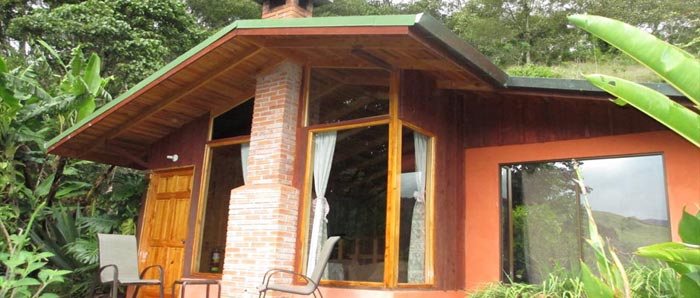
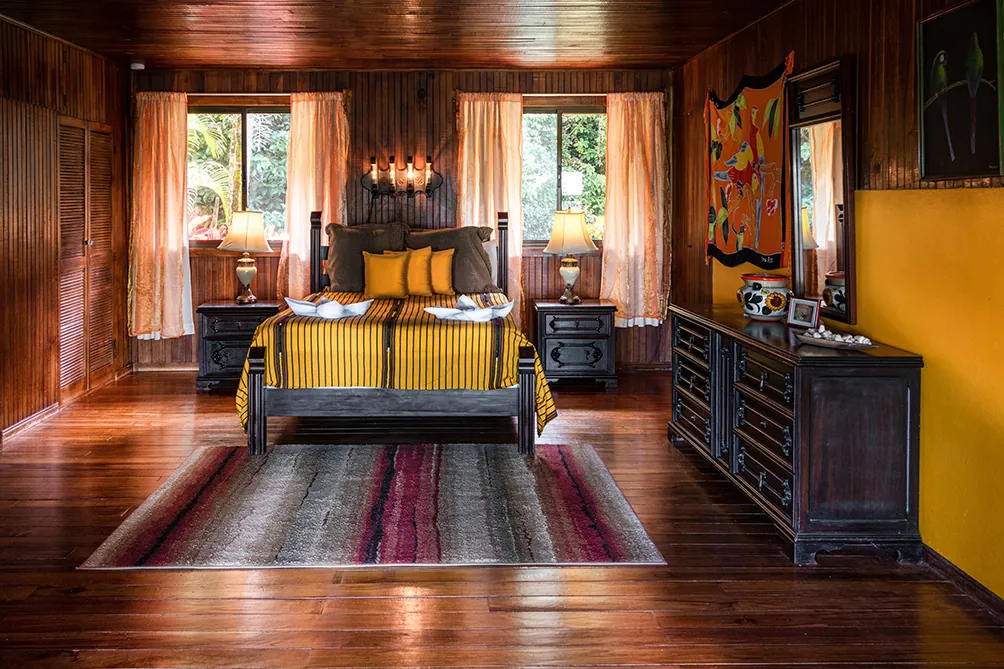
The rooms page describes 14 rooms, each named for a bird and each with a private bathroom, plus Villa Rancho Bajo a short distance away. Upstairs rooms in the main lodge (Sunbittern, Cotinga, Snowcap) open toward the balcony and its feeders; Sunbittern even has a private deck with its own hummingbird feeder. Forest cabins such as Antpitta, Jacamar, Honeycreeper and Tinamou are quieter and more private, and Honeycreeper sits closest to the moth light. Aracari and Toucan sleep up to five, which suits families. Wi-Fi is free in the downstairs lobby.
Food
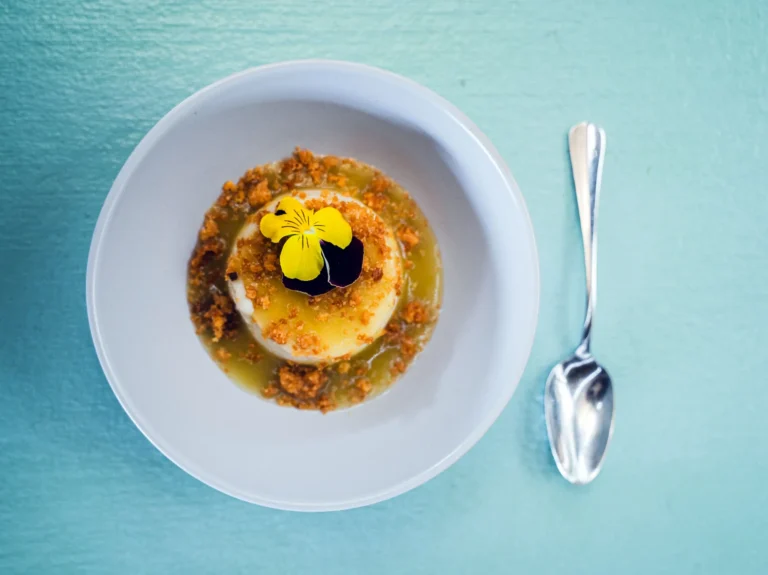
Meals are served family-style at shared tables, so evenings are spent comparing sightings. The lodge describes Costa Rican and international dishes made with local produce and farm-raised meats, salads with hearts of palm and avocado, and tropical fruit and juice daily. The kitchen handles gluten-free, lactose-free, vegetarian and vegan diets; tell the lodge in advance.
Beyond birds
Non-birding options start with a post-dinner night walk focused on insects, spiders, frogs and reptiles, and a moth light that’s switched on when guests want it. Left on overnight, it brings insect-eating birds at dawn. The lodge has a strict no-collecting policy. Farther afield you can raft the Pacuare River, go canyoning above Turrialba, take a coffee tour, or visit Guayabo National Monument, Costa Rica’s most important archaeological site, occupied from about 1000 BC to AD 1400. Massages can also be arranged.
Sustainability
The lodge’s conservation value is the forest itself: a protected block of Caribbean-slope rainforest linked to neighboring forest, managed for birds, with feeders, fruit trees and a no-collection rule. Paying local guides directly keeps money in the Turrialba community. Rancho Naturalista doesn’t publish details on energy, water or waste, and it isn’t in the official CST directory.
Who it suits
This is one of Costa Rica’s classic birding lodges, and it’s at its best for birders, photographers and groups who’ll rise before dawn. Non-birding partners will find enough to do between the trails, night walks and day trips, but they should know the conversation at dinner will be about birds. Travelers looking for a pool, a beach or nightlife should look elsewhere, and the final dirt road isn’t fun in a small car after rain.
Nearby, Guayabo Lodge and Casa Turire are other Turrialba-area stays, and Paraíso Quetzal Lodge pairs well for highland quetzals. See all our Central Valley and highlands eco-lodges, and our roundup of the best eco-lodges for wildlife and birdwatching.
Frequently asked questions
Where is the best place to see the Snowcap at Rancho Naturalista?
Watch the verbena hedges in the gardens and the hummingbird pools in the forest, where the lodge says Snowcaps regularly feed and bathe. A guide can tell you which spots have been active that week.
Do I need to hire a guide?
No. Guests can walk the trails alone with the trail map. But the lodge strongly recommends a resident guide to find more species, and guides are freelancers booked at the lodge, subject to availability.
Can I visit for the day without staying overnight?
Yes, with at least a day's notice. Day visitors can use the trails in the morning, and the visit includes lunch. A guide is extra and recommended.
Which rooms are best for watching the feeders?
The upstairs rooms in the main lodge, especially Sunbittern (with its own deck feeder), Cotinga and Snowcap, which open onto the balcony.