10.63°N 85.44°W · Gold Coast & Rincón de la Vieja
Guanacaste Eco-Lodges: The Best Places to Stay from Dry Forest to Volcanoes
11 places to stay
Guanacaste is usually sold as Costa Rica’s sunny beach province, and that is only half the picture. Inland, the province protects the best surviving tropical dry forest in Central America, wetlands that hold the country’s largest waterbird colonies, and a volcano with boiling mud pots and 32 rivers on its slopes. On the coast, surf towns sit beside some of the world’s most important sea turtle beaches. The right Guanacaste eco-lodge depends on which of those landscapes you want to wake up in.
For a nature-first trip, the short answer is this: stay near Rincón de la Vieja for volcano trails, hot springs and dry-to-wet forest; around Nosara for the Ostional turtle refuge, estuaries and surf; at Punta Islita for a quieter coast with a private forest and macaw project; and visit Palo Verde for wetland birding. This directory covers those bases, the lodges we have reviewed in each, and the rules and seasons that shape a visit.
Where to stay in Guanacaste: quick comparison
| Area | Nature appeal | Lodges to compare | Trade-off |
|---|---|---|---|
| Rincón de la Vieja | Volcanic trails, mud pots, waterfalls, hot springs, dry-to-wet forest | Buena Vista Lodge, Blue River Resort and Hot Springs, Hacienda Guachipelín | Lodges run busy adventure programs; park sectors close on set weekdays |
| Nosara and Ostional | Olive ridley arribadas, Nosara estuary, surf, yoga | The Harmony Hotel, Lagarta Lodge, Sunset Shack Hotel | Rough roads; a lively surf town, not a wilderness |
| Tamarindo and Playa Grande | Leatherback beaches of Las Baulas, Tamarindo estuary | El Sabanero | Busy resort town; no turtle viewing inside the park |
| Punta Islita | Private forest, macaw project, quiet coves | Hotel Punta Islita | Remote; long drive from Liberia |
| Palo Verde and Tempisque | Wetland birding, crocodiles, dry forest hills | Visit as a day trip from Rincón or the coast | Lodging near the park is limited |
| Tenorio and Bijagua (next door) | Wet forest, Río Celeste | Celeste Mountain Lodge | Wetter climate; part of our Northern Lowlands region |
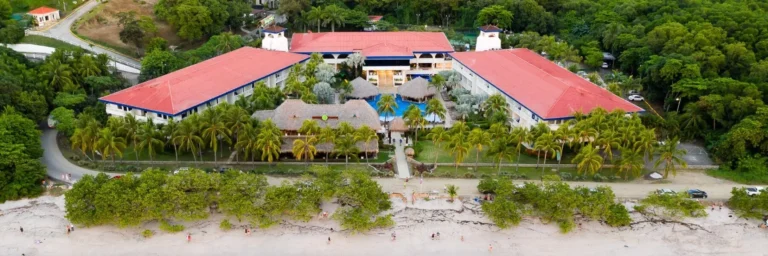
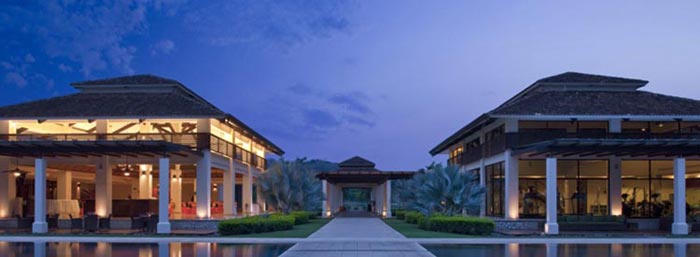
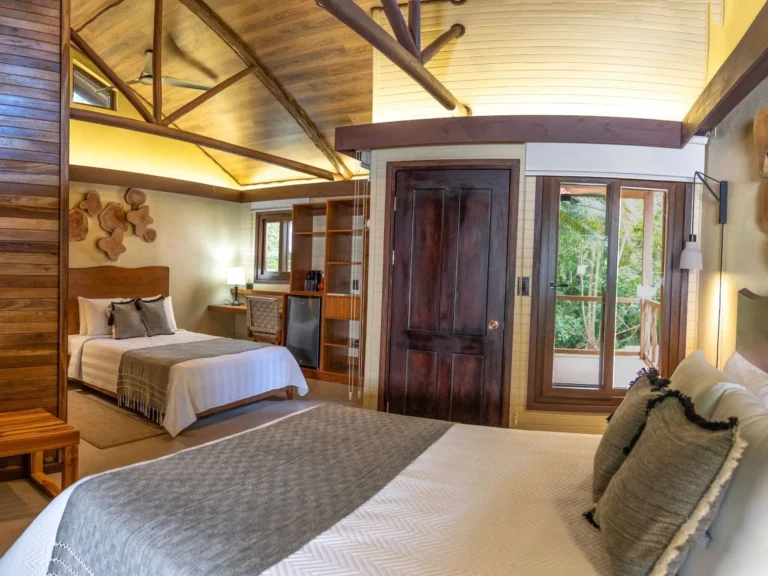
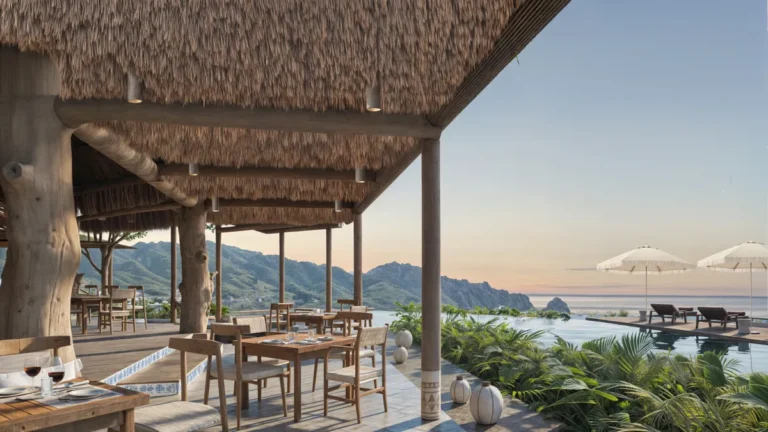
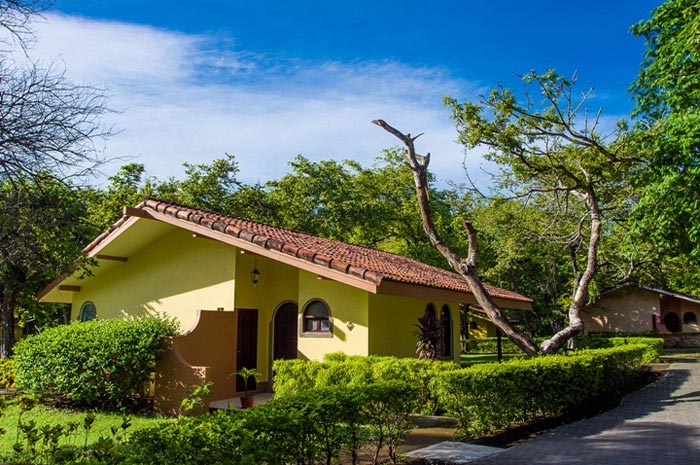
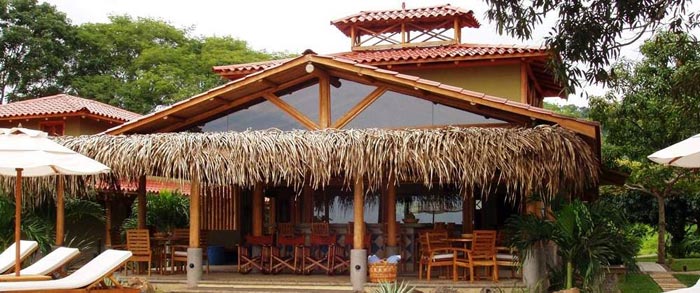
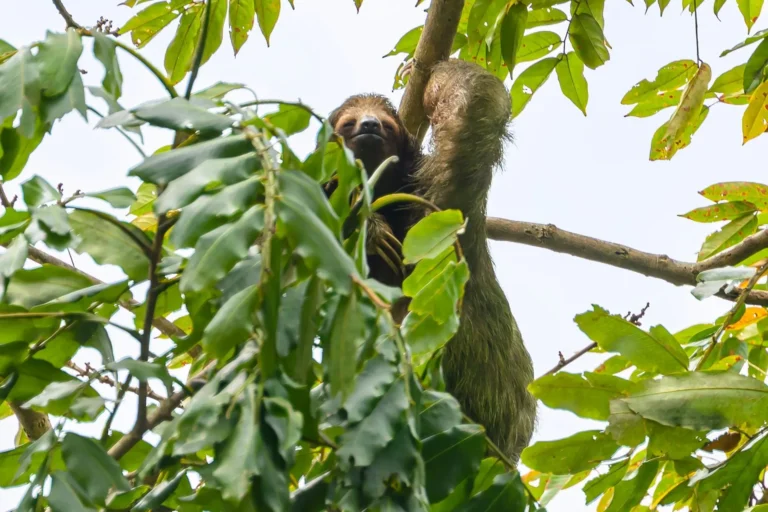
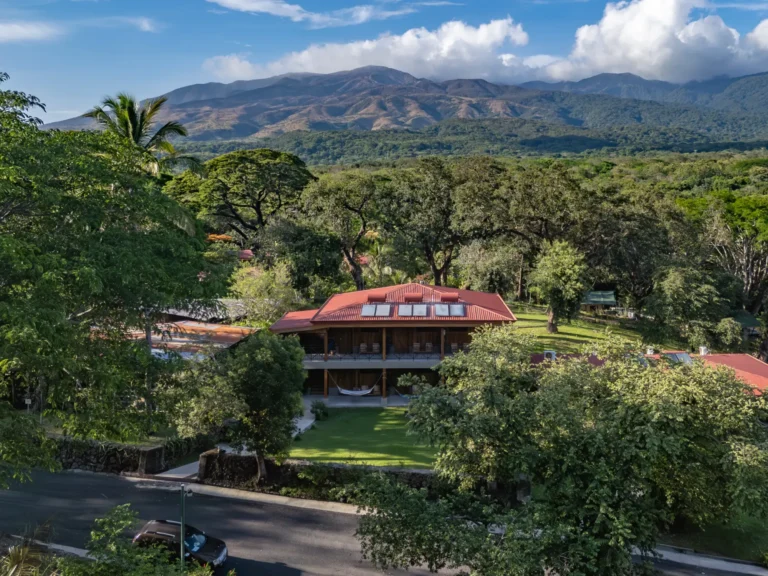
Guanacaste lodges on our site
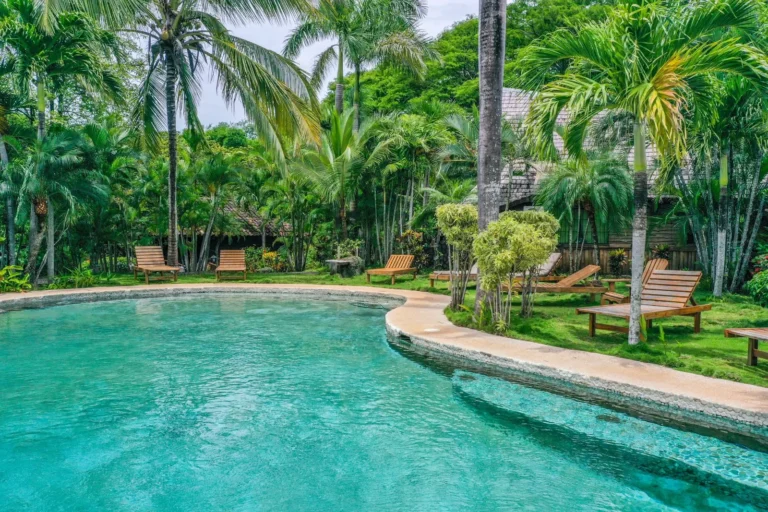
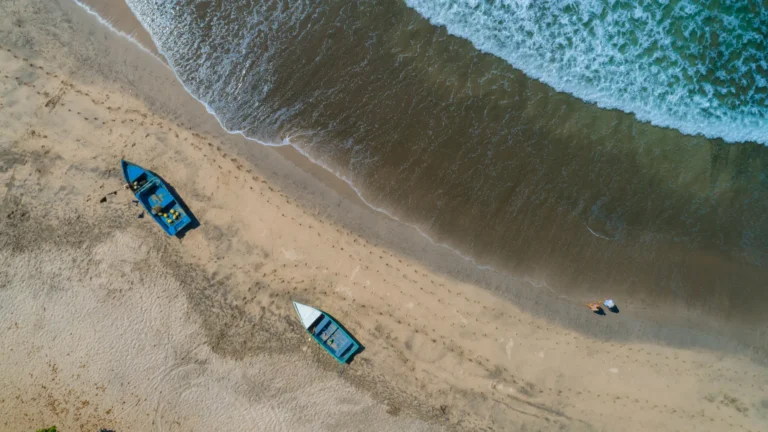
Why Guanacaste is a different kind of nature trip
Guanacaste’s forests are seasonal. Many trees drop their leaves in the dry months, so a February hike shows open, sunlit woods and long views, while the same trail in July is dense and green. The Area de Conservación Guanacaste, a UNESCO World Heritage site, protects what SINAC describes as the only remaining stretch of tropical dry forest in Mesoamerica, fully connected to moist, cloud and rain forest on the volcanoes. That is why one region can give you both a scrubby coastal trail and a misty volcanic slope in the same week.
Rain is concentrated, not absent. At Las Baulas near Tamarindo, SINAC records about 1,811 mm of rain a year, with 95 percent of it falling between May and November. The national tourism board describes the Pacific side as having a well-defined dry season from mid-December to late April and a green season from May to mid-December. For nature, both have value: dry months are easier for driving and for spotting animals at water sources; green months bring flowers, frogs and fewer visitors. Our best time to visit guide breaks this down month by month, and our ecosystems guide explains how dry forest works.
Rincón de la Vieja: volcano country near Liberia
Rincón de la Vieja National Park was created by Law 5398 on October 23, 1973, and covers 14,300 hectares. Thirty-two rivers rise on the massif, which sits on the divide between the Caribbean and Pacific watersheds, and the park protects the largest wild population of the guaria morada, Costa Rica’s national flower. SINAC notes that a two-hour walk can take you through dry, moist, very moist and cloud forest.
The park has two visitor sectors with different days. Las Pailas opens Tuesday to Sunday (closed Monday) and Santa María opens Thursday to Monday (closed Tuesday and Wednesday). Entry is sold only through SINAC’s online system. The Las Pailas loop is about 3 km and takes around two hours past fumaroles, boiling mud pots and a small “volcancito”; the La Cangreja waterfall trail is 5 km each way. Check the day of the week before you plan a park morning.
Buena Vista Lodge, now called Buena Vista del Rincón, sits on the volcano’s slopes about 31 km from Liberia and its international airport, according to the lodge. It has 60 rooms in three categories, its own volcanic hot springs, mud baths and a natural sauna in a private wildlife refuge, and the trails of its El Zaino reserve. It also runs a zip line, hanging bridges, horseback rides and a long forest water slide, so it suits families who want activity as much as quiet walks. It is listed at Basic level in the official CST directory.
Blue River Resort and Hot Springs is on the quieter northern side near Gavilán. It has three mineral hot spring pools, botanical and butterfly gardens and a short walk to a naturally blue river, with hikes to the volcano and waterfalls arranged as tours. It leans toward family relaxation more than wilderness.
Hacienda Guachipelín, a working ranch beside the park in dry tropical forest, is a large activity hub with canyon tours, river tubing and hot springs. It holds Elite status in the CST directory. Larger hacienda hotels like this can be very good bases, but if your goal is birding at dawn, ask how far your room is from the trailheads and the tour traffic.
Santa Rosa and the far northwest
Santa Rosa National Park combines history and dry forest. It was the site of the battle of March 20, 1856, and has the only historic museum inside a Costa Rican protected area, La Casona. SINAC describes some of the oldest land in Costa Rica here, rock that rose from the sea more than 85 million years ago. The park opens Wednesday to Monday by advance reservation through the conservation area’s own booking site, and its Murciélago and Playa Naranjo sectors are known for dry forest trails, mangroves and expert-only surf at Peña Bruja.
There is little lodging inside this corner of the province, so most visitors come on a day trip from Liberia or a Rincón de la Vieja lodge. Go early: dry forest mornings are cooler and far more active for birds and monkeys.
Palo Verde and the Tempisque wetlands
Palo Verde National Park protects 19,800 hectares between the Bebedero and Tempisque rivers. Wetlands make up about 60 percent of the park, which is a Ramsar wetland of international importance, and SINAC lists more than 280 bird species, about 150 mammals and 750 plant species. Just offshore, the 2.3-hectare Isla de Pájaros holds the country’s largest colony of black-crowned night herons. The park opens daily from 8 a.m. to 4 p.m., and short trails such as the 540 m La Roca path climb to viewpoints over the lagoon and the Tempisque.
A note for 2026 visitors: a lightning-caused fire burned through the park from May 28 to June 6, 2026. CRHoy reported that it consumed 3,617 hectares of wetland and about seven hectares of forest; the park administrator estimated the wetland vegetation could recover in about five years, but burned forest will need 50 to 60. The park reopened to visitors in June with its usual daily hours. Expect parts of the marsh to look different for a few seasons, and ask your guide which areas are holding water and birds.
Most travelers visit Palo Verde on a guided boat trip or as a day outing. Waterbird numbers peak when the lagoons hold water in the late green season and early dry season, and thin out as they dry. Crocodiles live throughout the river system, so keep a safe distance from banks. Our birds of Costa Rica guide covers the species to look for.
Tamarindo, Playa Grande and Las Baulas
Las Baulas National Marine Park was created to protect leatherback turtles nesting at Playa Grande, Ventanas and Langosta, along with the Tamarindo estuary and its mangroves. The leatherback is critically endangered, and SINAC is blunt about tourism: its page states that there is no turtle observation in the park, and estuary visits go with local guides. During the October to February nesting season, visitors may stay on the beach only until 5 p.m., and beach capacity is limited to 120 people at a time. Be wary of anyone selling a leatherback viewing tour at these beaches. Our sea turtle nesting guide lists where turtle watching is permitted.
Inland from Tamarindo, El Sabanero has turned into a wellness and yoga retreat with air-conditioned bungalows, an infinity pool and structured yoga and detox programs. It is a calmer base just outside town, best for travelers whose trip is built around retreat days with a few estuary or beach outings. For other program-led stays, see our yoga retreats guide.
Nosara and the Ostional turtle refuge
Ostional National Wildlife Refuge, created in 1983, is one of the reasons to base yourself in Nosara. It covers 468 hectares of land and 8,000 hectares of sea, and it includes not just Playa Ostional but also Playa Nosara, Playa Pelada and Playa Guiones, the surf beach most Nosara hotels sit beside. SINAC describes Ostional as the world’s second most important olive ridley nesting beach after Escobilla in Mexico. Mass nestings called arribadas happen year-round, once or twice a month, when 15,000 to 200,000 females come ashore on roughly 800 m of beach.
The rules are clear. During arribadas, entry is only with an accredited local guide, hired separately from the entry ticket through the community guide association. No flash photography, no reflective clothing at night, no horses or vehicles on the sand, and use a light only when your guide says so, because light can make a turtle abandon her nest. Arribada dates follow the turtles, not a calendar, so stay several nights and let your lodge watch the beach reports.
The Harmony Hotel sits at Playa Guiones. Its owners bought a worn-out surf hotel in 2004 and, by its own account, replaced lawns with native plants to bring wildlife back and hired locals for most positions. It has a healing center and a strong wellness focus, and it is listed at Elite level in the CST directory.
Lagarta Lodge stands on a hill above two rivers and the Nosara estuary, bordering a private nature reserve that guests can walk. It has operated in its current form since a 2017 reopening. It also holds CST Elite status and offers a shuttle from Nosara’s small airport, which is useful if you would rather fly than drive the province’s dirt roads. The estuary views make it one of the better birding bases on the coast.
Sunset Shack Hotel is a small surf hotel with eight rooms set in native plant gardens, a short walk from Playa Guiones. It is not a reserve lodge, but it is a simple, friendly base for surfers who also want to join a guided Ostional night or an estuary paddle.
Nosara’s growth puts pressure on water and wastewater, so this is a good place to ask direct questions. Our guide to choosing a sustainable hotel lists the ones that matter.
Punta Islita and the quieter southern coast
South of Sámara, Hotel Punta Islita is a 27-villa hotel above a secluded bay in a village of about 140 residents. The hotel describes a 40-hectare protected forest, a macaw conservation project, guided night patrols during turtle nesting, an organic garden that supplies its kitchen, and community programs that include reforestation and art workshops with local artisans. It holds CST Elite status. Access is the trade-off: the hotel estimates about three hours by road from Liberia, or a short flight from San José to the Punta Islita airstrip. Our guide to reaching remote lodges covers domestic flights and transfers.
Sámara and Playa Carrillo, to the north, are calmer family beach towns with good swimming on protected days. They make a sensible second base after inland nights, but beaches change with tides and swell, and rip currents are common along the whole coast.
Tenorio and Río Celeste: the wet forest next door
Many Guanacaste trips add Río Celeste, but Bijagua and Tenorio Volcano National Park lie across the province line in Alajuela, on the rainy Caribbean-facing side of the mountains, and we cover them in our Northern Lowlands directory. Celeste Mountain Lodge sits on a mountain pass on the edge of the national park, with views of Tenorio and Miravalles volcanoes. Plan at least one night there rather than a long day trip from the beach. Our Arenal and Río Celeste guide explains why the river is blue and how park tickets work.
How to judge a Guanacaste eco-lodge
Ask questions that fit the landscape. In dry forest, water is the issue: where does the lodge get it in March, and how does it treat wastewater? On turtle coasts, ask about beachfront lighting. At volcano lodges, ask how hot spring water is managed and how much of the property is protected forest versus landscaped grounds.
The official CST program is free and voluntary, uses Basic and Elite levels and follows Global Sustainable Tourism Council criteria. In Guanacaste, Hotel Punta Islita, Lagarta Lodge, The Harmony Hotel and Hacienda Guachipelín are listed at Elite and Buena Vista del Rincón at Basic in the official directory (checked October 2026). Old “five-leaf” ratings belong to a retired scale; our CST explainer shows how to look a business up yourself.
Sample Guanacaste nature itineraries
Five to six nights: two or three nights at Rincón de la Vieja for the park, hot springs and a Palo Verde day trip, then three nights in Nosara for Ostional, the estuary and the beach. This keeps you close to Liberia’s airport.
Eight to ten nights: add a night or two in Bijagua for Río Celeste between Rincón and the coast, or swap Nosara for Punta Islita if you want a slower, more private coast. Our itineraries guide shows how Guanacaste links to Arenal and Monteverde, and the national parks guide has entry details for every park mentioned here.
Frequently asked questions
Is Guanacaste rainforest or dry forest?
Mostly tropical dry forest in the lowlands, which loses much of its foliage between December and April. The slopes of Rincón de la Vieja rise through moist and cloud forest, and the Tenorio area just east is genuine wet forest. That contrast is one of the region's main attractions.
Can I watch leatherback turtles at Playa Grande?
Not as a tourist activity. SINAC states that Las Baulas National Marine Park offers no turtle observation, and beach access ends at 5 p.m. during the October to February season. For guided turtle viewing in Guanacaste, Ostional's olive ridley arribadas, with a required local guide, are the main option.
Which days is Rincón de la Vieja National Park open?
The Las Pailas sector opens Tuesday to Sunday and Santa María opens Thursday to Monday. Tickets are sold only online through SINAC's system, so buy them before you drive up.
Is Palo Verde worth visiting after the 2026 fire?
Yes, with adjusted expectations. The fire burned mostly wetland vegetation, which is expected to recover in about five years, and the park reopened in June 2026 with daily hours. A local boat guide will know which lagoons are holding birds that season.
Which Guanacaste lodges hold current CST certification?
As of October 2026 the official directory lists Hotel Punta Islita, Lagarta Lodge, The Harmony Hotel and Hacienda Guachipelín at Elite level and Buena Vista del Rincón at Basic. Certification lasts two years, so check the directory again close to your trip.
How do I get to a Guanacaste eco-lodge?
Most travelers fly into Liberia's Daniel Oduber Quirós International Airport, which is under an hour from the Rincón de la Vieja lodges. Nosara and Punta Islita have small airstrips served from San José, and roads to both include rough, unpaved stretches, especially in the green season.