9.93°N 84.08°W · San José & the volcano highlands
Central Valley and Highland Eco-Lodges: Quetzals, Volcanoes and Coffee Country
9 places to stay
Not every Costa Rica eco-lodge sits in hot rainforest or on a beach. The mountains around the Central Valley hold cool cloud forests, oak woods draped in moss, active volcanoes, waterfall-filled canyons and the coffee farms that built the country. Nights can be chilly, mornings are often clear, and some of Costa Rica’s best birding happens here, including the most reliable quetzal watching in the country.
This directory covers Poás and Vara Blanca, Bajos del Toro, the coffee slopes of Heredia, Cartago and the Orosi valley, Turrialba, and San Gerardo de Dota in the Talamanca mountains. Because the highlands are close to the international airport, they also make easy first or last stops on a longer trip. Every lodge recommended below was open and taking reservations on its own website when we checked in October 2026.
Compare highland areas
| Area | Nature appeal | Lodges to look at | Planning note |
|---|---|---|---|
| Poás and Vara Blanca | Active volcano, cloud forest, waterfalls | Poás Volcano Lodge | Park entry by reservation only; craters often clouded over |
| Bajos del Toro | Waterfalls, deep green valleys, quiet | El Silencio Lodge, Bosque de Paz | Steep, winding roads; damp weather |
| Heredia coffee slopes | Organic coffee, gardens, birding near the airport | Finca Rosa Blanca | A farm-and-culture stay more than a wilderness one |
| Turrialba | Birding, volcano views, rivers | Rancho Naturalista | Good bridge to the Caribbean slope and the Pacuare |
| Orosi and Tapantí | Very wet mountain forest, rivers | Day trips from Cartago or Turrialba | Trails can close after storms |
| San Gerardo de Dota | Quetzals, oak forest, trout streams | Savegre Mountain Hotel, Trogon Lodge, Dantica Cloud Forest Lodge | Cold mornings; steep final descent into the valley |
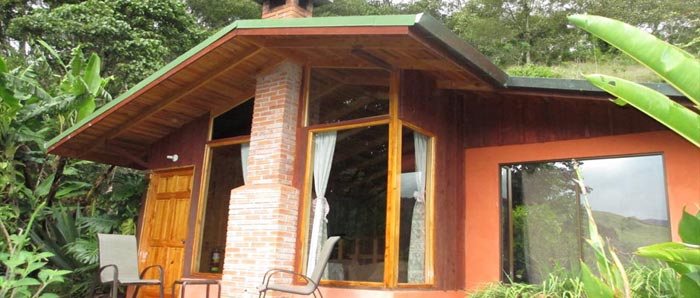
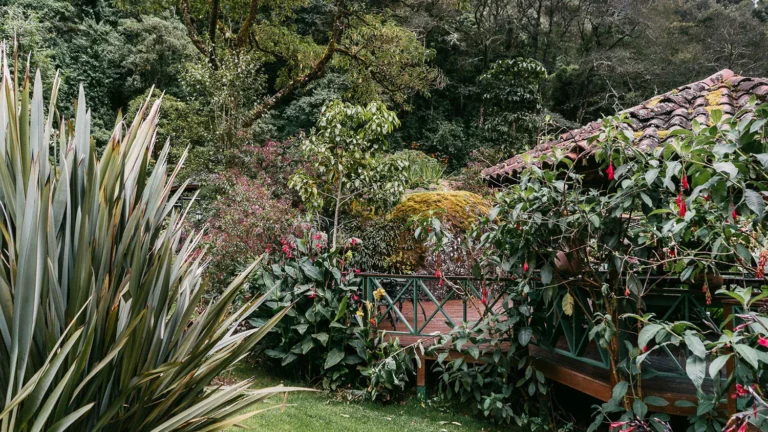
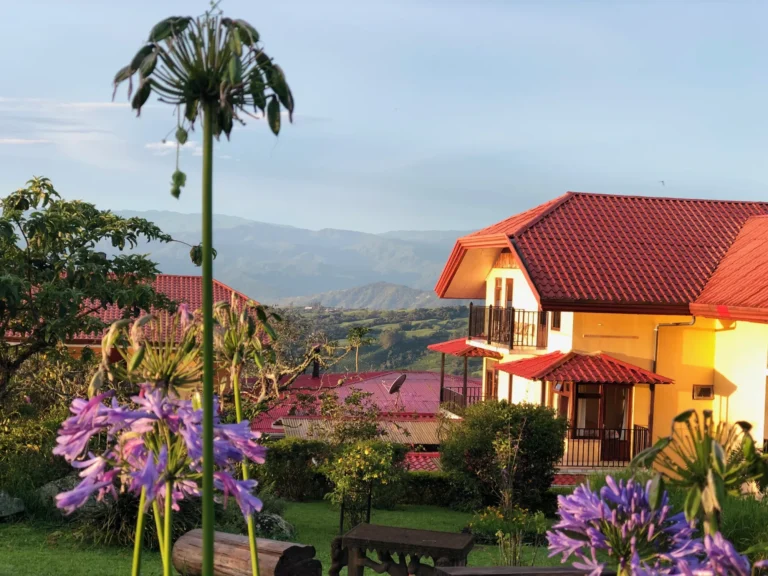
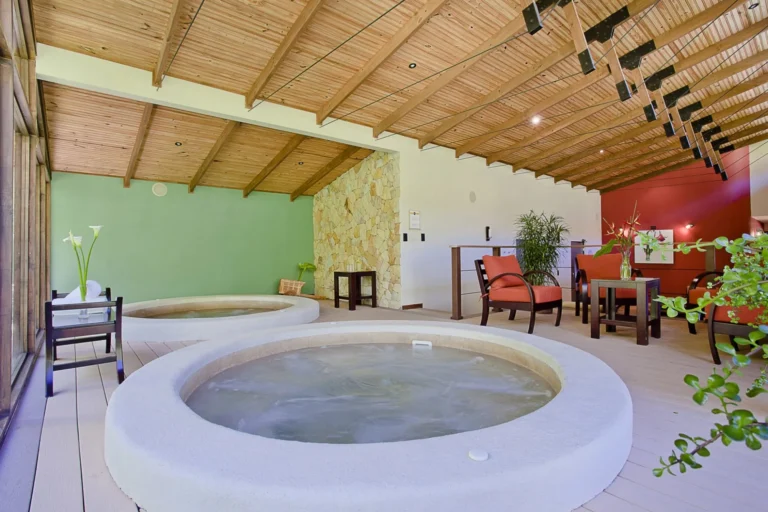
Central Valley lodges on our site

Why the highlands deserve their own trip
At these elevations, clouds move through the treetops, and oak forests and epiphytes create habitats unlike anything in the lowlands. Small changes in altitude bring different birds and plants within a short drive. Our ecosystems guide explains these life zones.
The mountains are also Costa Rica’s water towers, which is central to the country’s conservation story. Under Forestry Law 7575, the state’s forestry fund pays landowners to keep their forest through the Payment for Environmental Services program run by FONAFIFO, which recognizes four services that forests provide: storing carbon, protecting biodiversity, protecting water for towns, farms and hydropower, and preserving scenic landscapes. Tapantí National Park shows why it matters: SINAC says the Reventazón River, which rises there, supplies drinking water to about half a million people in the greater San José area. Our conservation story tells how these payments helped bring Costa Rica’s forests back.
Parks of the highlands at a glance
| Park | Size | Elevation | What to know |
|---|---|---|---|
| Poás Volcano | 6,506 ha | Main crater about 1,320 m wide | Daily 8 a.m. to 4 p.m., last entry 2 p.m.; reservation only |
| Irazú Volcano | 2,000 ha | 3,432 m, Costa Rica’s highest volcano | Last entry to the crater sector 2 p.m.; tickets online only |
| Turrialba Volcano | 1,256 ha | 3,340 m | Groups must be accompanied by an accredited guide |
| Braulio Carrillo | 50,000 ha | Up to 2,906 m at Barva Volcano | Quebrada González sector trails beside the San José to Guápiles highway |
| Tapantí-Macizo de la Muerte | 58,495 ha | 700 to 3,491 m | More than 6,500 mm of rain a year; tickets online only |
| Los Quetzales | 4,117 ha | 1,240 to 3,190 m | Daily 8 a.m. to 4 p.m.; 5 to 14°C |
Poás, Irazú and Tapantí sell tickets only through SINAC’s online SICORE reservation system, so book before you drive up. Our national parks guide covers the whole network.
Poás Volcano and Vara Blanca
Poás Volcano National Park protects one of the largest volcanic craters in the world. SINAC describes the main crater as roughly circular, about 1,320 meters across and 320 meters deep, holding a hot, acidic lagoon between 20 and 50°C. An older crater nearby holds the cold Botos lagoon, 400 meters wide. The park was established in 1955 at about 1,200 hectares and has since grown to 6,506 hectares.
Poás is active, and access can change with gas levels or eruptions. The park opens daily from 8 a.m. to 4 p.m. with last entry at 2 p.m., and only through the reservation system. SINAC also warns that the weather at the lookouts changes quickly, so there’s no guarantee you’ll see into the crater. Go early, when skies are more often clear.
Poás Volcano Lodge in Vara Blanca sits among rolling pastures and cloud forest a few kilometers from the park, about 45 minutes from the international airport. Its website lists superior lodge rooms, some with balconies facing the volcano, and garden rooms a few steps from the main lodge, plus nature trails for guided or independent walks. It’s a convenient, quiet first night after landing.
Bajos del Toro: waterfalls and deep green valleys
Bajos del Toro is a small farming valley in the mountains north of the Central Valley, known for cool air, thick forest and waterfalls. If you’re driving between the highlands and the Caribbean or Sarapiquí, you’ll also pass Braulio Carrillo National Park, one of Costa Rica’s largest protected areas at 50,000 hectares. SINAC explains that it was created in 1978 to protect the forest as the San José to Guápiles highway was being built. It holds about 6,000 plant species, roughly half of all those recorded in Costa Rica, and 515 bird species, and its Quebrada González sector has short trails right beside the highway.
El Silencio Lodge is the valley’s luxury option, about 65 km northwest of the international airport (roughly 90 minutes). Its private reserve has three waterfalls and more than 2 km of trails, and suites and villas include riverside options. Guests can join tree-planting and eco-tours as part of the lodge’s conservation activities.
Bosque de Paz is a smaller nature lodge about an hour and a half from San José, set in what it describes as more than 450 hectares of forest with many kilometers of trails and a guided waterfall hike. It has recorded 213 orchid species on the reserve and keeps a bird list for guests, which makes it a good pick for birders and plant lovers.
Waterfalls are beautiful but slippery, and rivers rise fast after rain. Don’t swim where currents are strong, and ask your lodge which trails suit your group. Our waterfalls, rivers and hot springs guide has more.
Coffee country in Heredia
The volcanic slopes above San José are classic coffee country. A good coffee tour explains shade trees, soil health and processing, and shows how farm choices affect birds and water, not just how to taste a cup.
Finca Rosa Blanca Coffee Plantation & Inn in Santa Bárbara de Heredia is an organic coffee farm with 14 villas, suites and studios. Its website says the property has grown by an additional 30 acres, plus reforested land. It’s close enough to the airport for a first or last night, and a relaxed way to see how coffee and conservation can work together. Our guide to organic farm stays covers similar places.
Cartago, Orosi and Tapantí
East of San José, Cartago is the gateway to two volcanoes and one of the wettest forests in the country. Irazú Volcano National Park, 31 km from Cartago, protects Costa Rica’s highest volcano at 3,432 meters, with five distinct craters and average temperatures of just 5 to 9°C. SINAC notes that clouds often hide the craters and tickets can’t be refunded for weather, so check conditions first.
Below Irazú, the Orosi valley leads to Tapantí-Macizo de la Muerte National Park. It covers 58,495 hectares from 700 to 3,491 meters and is one of the rainiest places in Costa Rica, averaging more than 6,500 mm a year and sometimes reaching 8,000 mm. More than 150 rivers start here, including the Reventazón and Pacuare. The park is part of the La Amistad biosphere reserve and World Heritage site, and an INBio survey counted 1,229 plant species. It opens daily from 8 a.m. to 4 p.m. with tickets sold online, and trails may close after storms. Bring rain gear in any month.
Turrialba: birds, rivers and a restless volcano
Turrialba sits lower and warmer, on the slope down toward the Caribbean, which brings Caribbean-slope birds within reach. Turrialba Volcano National Park, 24 km northwest of town, protects Costa Rica’s second-highest volcano at 3,340 meters; SINAC requires groups to be accompanied by an accredited, trained guide for the whole visit.
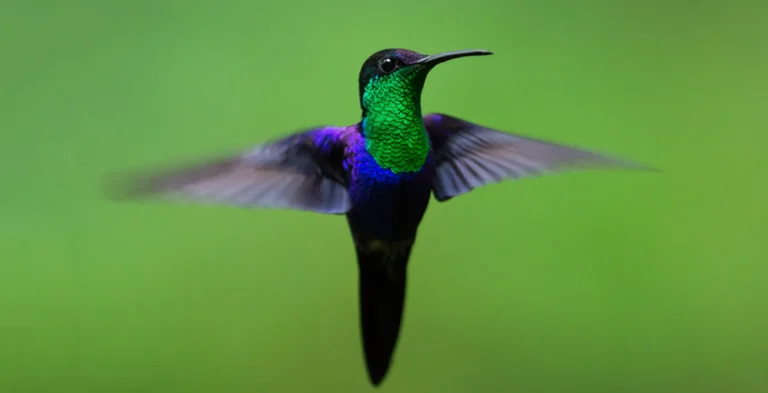
Rancho Naturalista is one of the country’s best-known birding lodges, set in the mountains of Turrialba with views of the volcano. Its website reports more than 450 bird species recorded in its private reserve and surroundings, and its feeders and hummingbird pools, where hummingbirds bathe in shallow forest pools, are a favorite with photographers. Turrialba is also a natural base for the Pacuare River; see our Caribbean eco-lodges directory for river lodges.
San Gerardo de Dota: quetzal country
For birders, San Gerardo de Dota is one of the most rewarding places in Costa Rica. A narrow valley drops from the Inter-American Highway into oak forest along the upper Savegre River, and it’s one of the best places in the country to look for the resplendent quetzal.
The valley borders Los Quetzales National Park, created on April 25, 2006, with 4,117 hectares from 1,240 to 3,190 meters at the headwaters of the Savegre. SINAC records temperatures of 5 to 14°C and about 2,648 mm of rain a year. The park is open daily from 8 a.m. to 4 p.m.; its 480-meter trail through cloud forest takes about 30 minutes and is designed for birding, and a 2 km trail of about two hours explores regenerating forest. It’s 76.5 km south of San José.
Savegre Mountain Hotel is the valley’s best-known lodge. Its website traces it to 1973, puts it at about 2,200 meters with a private forest reserve of more than 500 hectares, and gives January to June as the best time for quetzal sightings. It’s about 87 km southeast of San José, a drive of two to three hours with a steep, winding final stretch.
Trogon Lodge sits by the Savegre River in the same valley, with 24 standard rooms arranged in two-room cabins along its gardens, plus one superior room. Tours require at least two people and can be booked at the lodge.
Dantica Cloud Forest Lodge, near Cerro de la Muerte and the Savegre, describes itself as a sustainable boutique hotel with a private forest reserve and bungalows facing the valley or the forest. Its restaurant serves organic food.
No guide can guarantee a quetzal. Go out early with a local guide, keep your distance from nests and plan one morning without a long drive afterward. Our birds of Costa Rica guide and list of the best eco-lodges for wildlife and birdwatching cover more highland species, and our Monteverde eco-lodges are the other classic quetzal base.
How to judge a mountain lodge
Good mountain lodges protect their streams, control erosion on steep slopes and keep native forest standing. On farms, ask about pesticide use and soil care. Everywhere, ask whether guides and staff are local. Costa Rica’s official Certification for Sustainable Tourism now uses two levels, Basic and Elite, and older “five leaves” awards belong to the previous system. Our guides to CST certification and choosing a truly sustainable hotel explain what to look for.
Sample highland itineraries
Five nights: two in Bajos del Toro and three in San Gerardo de Dota, mixing waterfalls with focused birding. Or try three in Dota and two in Turrialba to add Caribbean-slope birds.
Seven nights: add a night on a Heredia coffee farm at the start or end. Mountain roads are slow, so keep driving days short and leave room for weather. Our 7, 10 and 14-day itineraries show how the highlands fit with the coasts.
Frequently asked questions
Where's the best place to see a quetzal?
San Gerardo de Dota is the most reliable, and Savegre Mountain Hotel gives January to June as the best window. Monteverde is the other classic spot. A local guide improves your odds, but sightings are never guaranteed.
How cold do the mountain lodges get?
Colder than most visitors expect. Los Quetzales National Park records 5 to 14°C, and Irazú averages 5 to 9°C. Pack a warm layer, a hat and a rain jacket, and ask your lodge about heating and extra blankets.
Can I visit Poás without a reservation?
No. SINAC sells Poás entry only through its reservation system, and the park opens daily 8 a.m. to 4 p.m. with last entry at 2 p.m. Access can also change with volcanic activity.
Is El Silencio Lodge near San José?
It's about 65 km northwest of the international airport, roughly 90 minutes by road, in the Bajos del Toro valley. It feels much more remote than that distance suggests.
Which highland lodge works for a first or last night near the airport?
Poás Volcano Lodge is about 45 minutes from the airport, and Finca Rosa Blanca is on the coffee slopes of Heredia above San José. Both let you avoid a city hotel.
Do I need a guide for Turrialba Volcano?
Yes. SINAC requires groups visiting Turrialba Volcano National Park to be accompanied by an accredited, trained guide for the whole visit.