The temptation in Costa Rica is to do everything. The map looks compact and the names are irresistible: Arenal, Monteverde, Tortuguero, Corcovado, the Caribbean and the Pacific. But mountains, rivers, unpaved roads and boat transfers turn a short line on a map into a long travel day. A good ecotourism itinerary leaves room to be in nature, rather than spending the vacation moving between lodges.
The three routes below combine landscapes that fit together. They’re frameworks, not promises about particular sightings, and each names eco-lodges we review so you can turn the route into real bookings. Adjust them to your flights, comfort level, season and appetite for driving. If you haven’t chosen your travel month yet, read our best time to visit Costa Rica for wildlife first.
Choose a route by your priorities
| Length | Route | Best for | Main compromise | Getting around |
|---|---|---|---|---|
| 7 days | Arenal and Monteverde | First visits, volcano and cloud forest | No beach or remote wilderness | Road transfers or rental car |
| 10 days | Sarapiquí, Tortuguero and the southern Caribbean | Birds, wetlands, frogs, turtles and coastal forest | Boat timing and Caribbean rain | Road plus boat into Tortuguero |
| 14 days | Uvita, Osa Peninsula, Golfo Dulce and San Gerardo de Dota | Deep rainforest, marine life and highland birds | Long transfers and remote logistics | Domestic flights, boats and road |
Fewer regions can still mean a rich trip. Three nights in one place gives you time for a dawn bird walk, a guided night walk and an unhurried afternoon on the lodge’s own trails, which is often where the best wildlife moments happen.
Seven days: Arenal and Monteverde without rushing
This route pairs lowland volcanic rainforest with cool cloud forest, two very different ecosystems a single transfer apart.
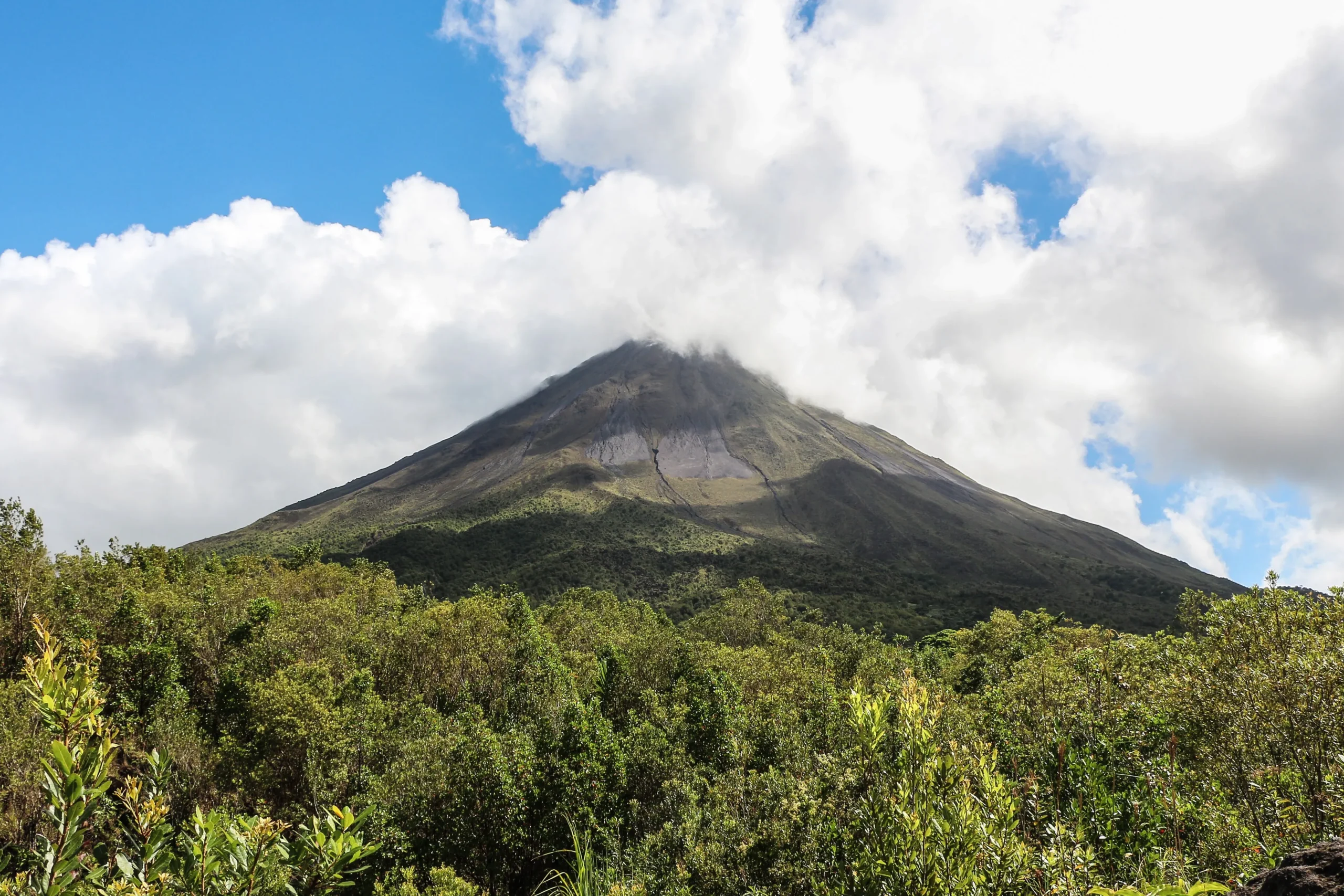
Days 1 to 3: Arenal. Depending on your arrival time, spend the first night near the airport or continue straight to La Fortuna. Give the first full day to the forest, not the car. Arenal Volcano National Park, created in 1991, has trails across lava flows from 1992 and past a ceiba tree more than 400 years old. Climbing the cone is strictly prohibited. On day three, add a second habitat: a river valley walk, a waterfall or a private reserve. Resist booking ziplining, rafting, hanging bridges and hot springs back to back just because they’re all sold in town.
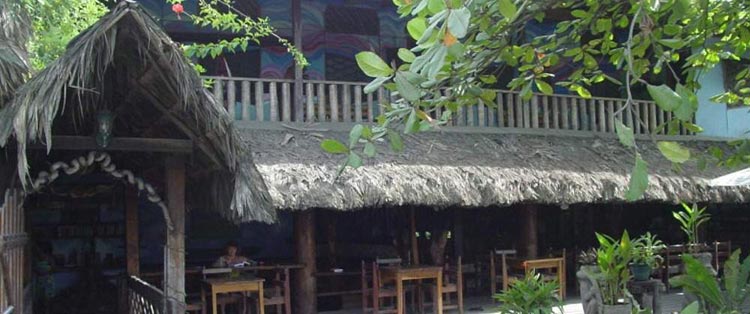
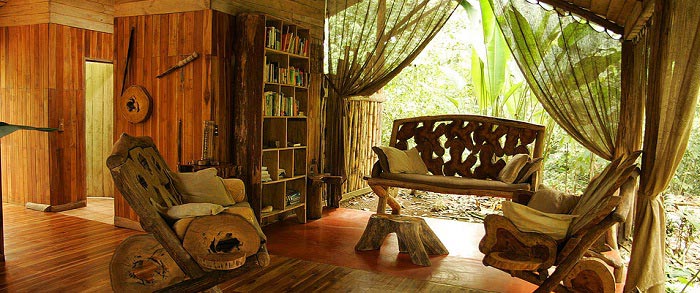
Where to stay: Arenal Observatory Lodge sits inside the national park, with about 11 km of its own trails and an 800-meter wheelchair-accessible path. Rancho Margot is an off-grid farm on more than 400 acres near Lake Arenal that grows much of its own food. Chachagua Rain Forest Lodge is a working ranch with a biological station on the other side of La Fortuna.
Day 4: Transfer to Monteverde. The two towns look close, but the route runs around or across Lake Arenal and up into the mountains. Some operators combine a road leg, a lake crossing and a second road leg; others drive the whole way. Either way, aim to arrive in daylight, take an easy local walk and pack a warm layer. Monteverde is noticeably cooler and mistier than La Fortuna.
Days 5 and 6: Cloud forest. The Monteverde Cloud Forest Preserve protects more than 4,100 hectares and admits visitors in timed slots, so book ahead and arrive 15 minutes early. Its main trails are 1.4, 2.8 and 4.1 km long. Guided natural history walks and night walks last about two and a half hours with no more than 10 people. Use the second morning for a different reserve or a birding walk. Quetzals and three-wattled bellbirds are possible, never guaranteed. Monteverde Lodge & Gardens is about 15 minutes from the preserve.
Day 7: Departure. Leave a generous buffer. For an early flight, spend the last night near the airport rather than driving down the mountain before dawn.
Ten days: rainforest research, canals and the Caribbean coast
This route follows water: from the rivers of Sarapiquí to the canals of Tortuguero and the reef and forest of the southern Caribbean.
Days 1 to 3: Sarapiquí. Head to the lowland forests around Puerto Viejo de Sarapiquí. La Selva Biological Station, founded in 1968 by the Organization for Tropical Studies, protects about 1,600 hectares bordering Braulio Carrillo National Park and has recorded 470 bird species and 125 mammals, 72 of them bats. Visitors can join birding walks, natural history walks and night walks on its 61 km trail network. Nearby, Tirimbina has 7 km of rainforest trails with three hanging bridges. Stay at La Selva itself or at Selva Verde, which has hosted birders and students on the Sarapiquí River since 1986. Three nights let you fit in a dawn bird walk, a night walk and some unstructured river time.
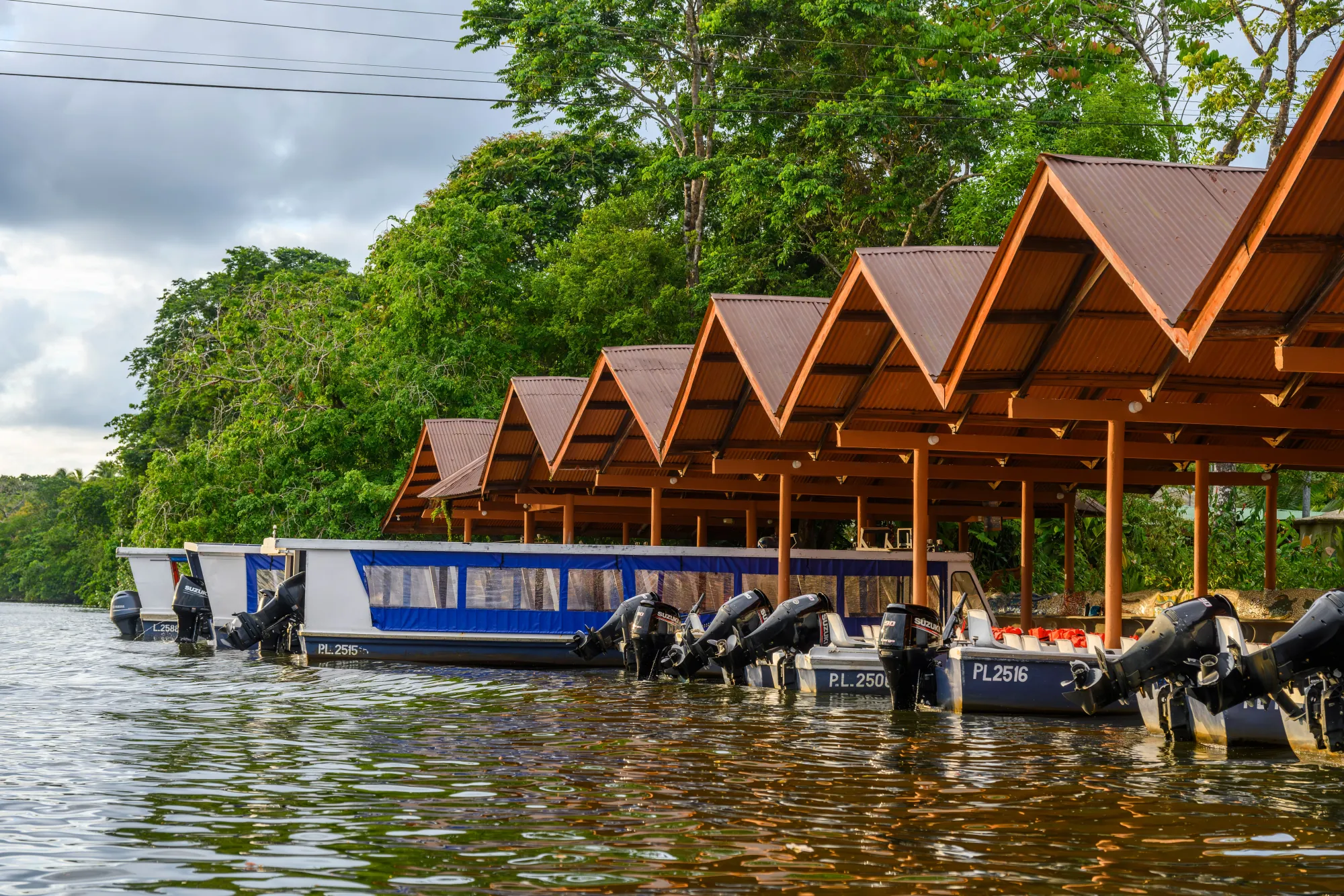
Days 4 to 6: Tortuguero. SINAC notes that the park is reachable only by small boats, and the park map marks the river dock at La Pavona as a mainland landing point. Most lodges sell packages that include the road and boat legs, so book the transfer with your room. Plan at least one early canal outing; the park brochure lists water-trail departures at 6 a.m., 8:30 a.m., 11 a.m. and 2:30 p.m. and records 442 bird species, 138 mammals and 118 reptiles. Turtle watching runs from March to October, only on authorized night tours. Don’t swim: the sea and lagoons are off limits.
Where to stay: Tortuga Lodge & Gardens has 146 acres of gardens and forest and is one of the oldest lodges in the area. Pachira Lodge and Turtle Beach Lodge both sell packages with transport from San José, the boat, meals and a guided canal tour.
Days 7 to 9: Cahuita and Puerto Viejo. Return to the mainland by boat and continue south. In Cahuita National Park, 600 of the park’s 22,400 marine hectares protect the most developed coral reef on Costa Rica’s Caribbean coast, and the park works with community guides trained by INA and accredited by the ICT. Cabinas Caribe Luna is within walking distance of the park entrance. Farther south toward Gandoca-Manzanillo, Almonds and Corals puts you in coastal rainforest near the refuge. If you’d like a Bribri community visit, arrange it in advance through a named community enterprise rather than as a quick drop-in stop.
Day 10: Departure buffer. Head back toward San José with time to spare. If heavy rain is forecast, spend the last night in the Central Valley.
Fourteen days: Pacific rainforest, marine life and highland birds
This is the deep-nature route: two coasts of the Osa Peninsula, a quiet gulf and a cool mountain valley.
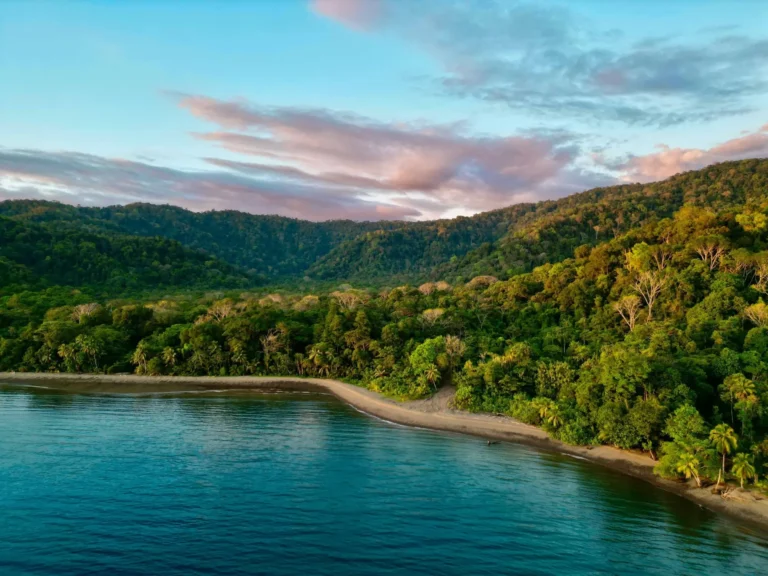
Days 1 to 3: Uvita and Marino Ballena. Base yourself on the Costa Ballena coast near Marino Ballena National Park, which protects 5,160 marine hectares and 171 land hectares along 15 km of coast with four official entry sectors. Humpbacks visit from December to April and again from July to November, and dolphins are resident. Book a whale or dolphin trip only with licensed operators who keep their distance.
Days 4 to 8: Osa Peninsula. Choose either the Drake Bay side or the Puerto Jiménez and Cabo Matapalo side. They aren’t interchangeable. Drake Bay is the gateway for boat trips to Corcovado’s San Pedrillo and Sirena sectors and to Isla del Caño. Puerto Jiménez connects by road to Matapalo, Carate and the La Leona sector. According to its arrival page, Aguila de Osa Inn in Drake Bay is reached by domestic flight to the Drake airstrip or by a boat ride of about an hour from Sierpe through the mangroves of the Sierpe River. On the other side, Lapa Ríos protects a 1,000-acre reserve at Cabo Matapalo, and La Leona Eco Lodge, run by a local family, sits at the Carate edge of the park.
Plan Corcovado early. Every visit needs a reservation, which can be made up to six months ahead, and a guide is required on the long trails from La Leona and Los Patos to Sirena. SINAC’s Sirena page gives the walk from La Leona as 16.5 km, about six to seven hours, and notes that flights to Sirena are currently suspended, so access is on foot or by boat from Drake, Puerto Jiménez or Sierpe. Allow at least one full day on your lodge’s own trails too.
Days 9 and 10: Golfo Dulce. Cross to a boat-access lodge on the gulf. Playa Cativo Lodge sits in a 1,000-acre private reserve beside Piedras Blancas National Park and is reached only by a 30-minute boat ride. Playa Nicuesa Rainforest Lodge is also boat-only, about 30 minutes from Golfito or Puerto Jiménez, with a minimum guest age of six. Let the boat schedule decide your timing; Nicuesa recommends a last pick-up at 3 p.m.
Days 11 to 13: San Gerardo de Dota. Climb into the Talamanca highlands for a completely different ecosystem. Los Quetzales National Park, 76.5 km south of San José, ranges from 1,240 to 3,190 meters, with temperatures of 5 to 14 °C. Savegre Mountain Hotel, run by the Chacón family, has private reserve trails through oak and cloud forest. Hire a local birding guide who knows which wild avocado trees are fruiting, and pack real warm clothes.
Day 14: Departure. The drive from Dota to the airport is short compared with the Osa legs, but it crosses high mountain roads. Leave early, or overnight near the airport for a morning flight.
Making the routes work in each season
The Pacific has a clear dry season from December to March, while the Caribbean’s relatively drier windows are February to March and September to October. In practice, the 14-day Osa route is easiest from January to April, and the 10-day Caribbean route is a strong choice in September and October, when the southern Pacific is at its wettest and some Osa lodges close. The seven-day Arenal and Monteverde route works year-round if you accept some cloud and rain.
Build at least one flexible day into any 10- or 14-day trip that depends on boats or remote roads. A rigid hour-by-hour timetable is the enemy of good wildlife watching.
Rental car, transfers, boats or flights?
A rental car works well for the Arenal and Monteverde route and the Pacific coast. It’s less useful for Tortuguero, where the last leg is always by boat, or for the Golfo Dulce lodges that have no road at all. Sansa, one of the domestic airlines, lists routes to Drake Bay, Puerto Jiménez, Golfito, Tortuguero, Quepos, La Fortuna and Liberia, among others. Small planes have tight baggage limits, so pack light and check your fare’s allowance.
For remote lodges, booking transfers through the lodge usually saves trouble because staff know the landing points and tides. Ask for the exact pickup point, the final drop-off, luggage limits and what happens if a boat or flight is delayed. Our guide to reaching remote eco-lodges goes leg by leg, and our eco-lodge vacation cost guide shows how transfers add up.
What makes an itinerary sustainable?
The simplest improvement is fewer transfers and longer stays. Spend money with local guides and community businesses, choose lodges with real conservation work, follow park rules and skip any attraction that lets visitors feed or handle wildlife. Three nights with one thoughtful community outing usually builds a stronger local connection than three one-night stops.
Think about what the route teaches, too. Arenal and Monteverde show how elevation reshapes a forest. Sarapiquí and Tortuguero connect rivers with wetlands and the sea. Osa and Dota contrast warm lowland biodiversity with cool montane forest. Those stories stay with you long after the photos are sorted.
Frequently asked questions
Is seven days enough for an ecotourism trip?
Yes, if you stick to one or two regions. Arenal and Monteverde together make a full, varied week. Trying to add a distant coast usually means more time in vehicles than in forest.
Can I combine Tortuguero and Corcovado in one week?
It's possible on paper, but it's hard work. Both need boat or small-plane legs at opposite ends of the country, and each deserves at least two or three nights. Save the combination for a trip of two weeks or more.
Which route is best for birdwatching?
The 14-day route has the strongest contrast, from Osa lowland rainforest to Dota's highland quetzal habitat. The 10-day route is excellent too: La Selva alone has recorded 470 bird species, and Tortuguero's canals are rich in waterbirds.
Do I need to book national parks in advance?
For many parks, yes. Corcovado requires a reservation for every visit, the Monteverde preserve uses timed entry slots, and several SINAC parks sell tickets only online. Book the park first, then the lodge that suits that entrance.
How many nights should I spend in Tortuguero?
Two nights is the practical minimum, because arrival and departure days are mostly spent on the boat. Three nights gives you a full day on the canals and trails, plus a night turtle tour in season.
Is a rental car needed for the 14-day route?
Not necessarily. Many travelers fly to Drake Bay or Puerto Jiménez, use lodge transfers on the peninsula and hire a driver or car only for the Uvita and Dota legs. Ask each lodge whether a standard car can reach it in your travel month.