
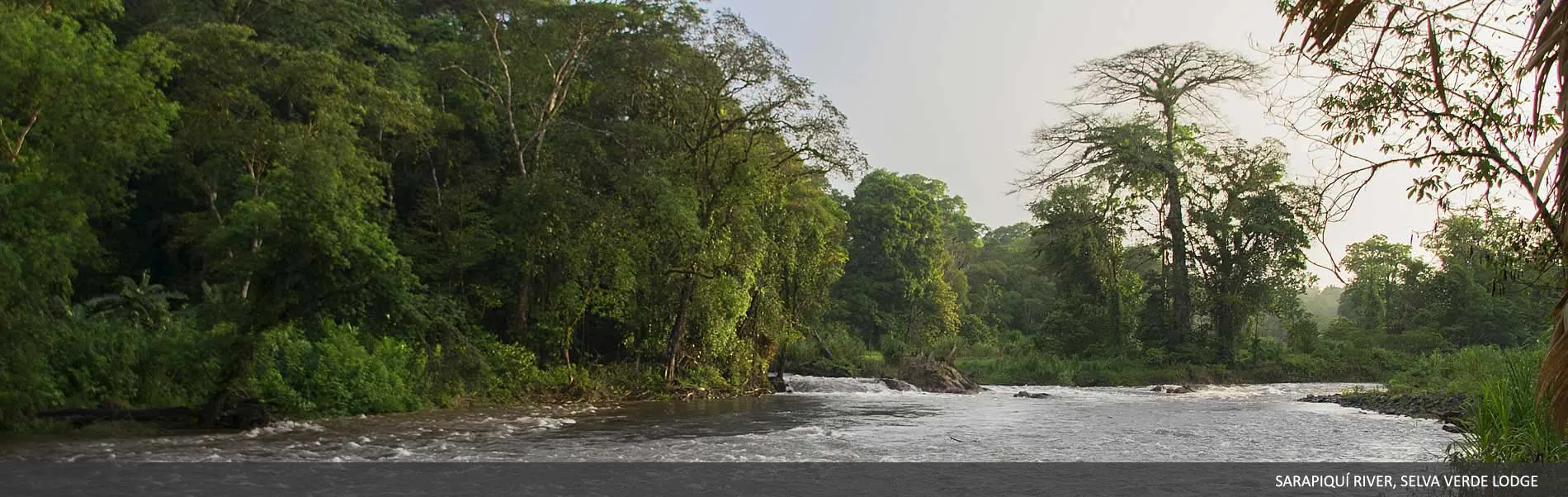
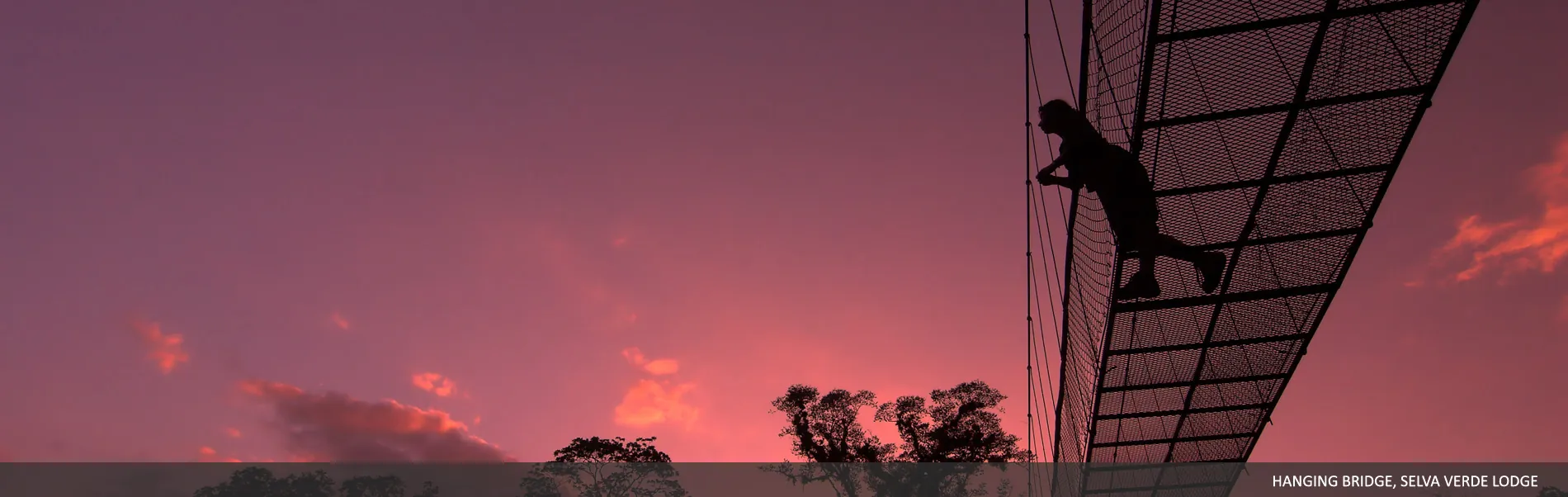
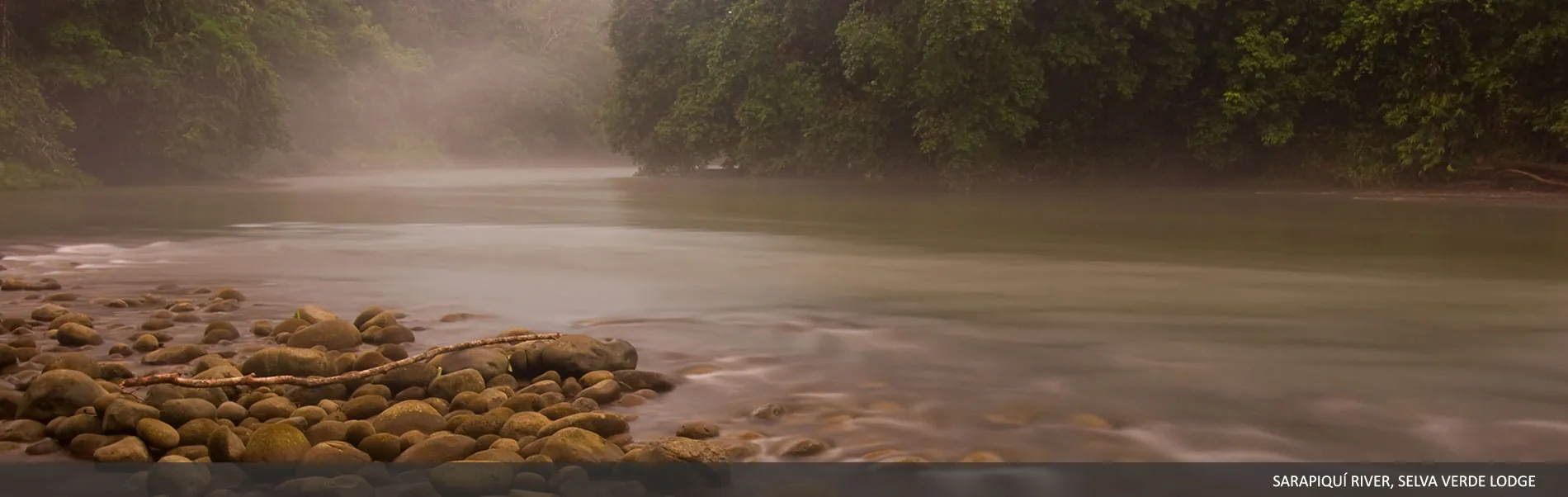
Selva Verde is a long-running rainforest lodge on the banks of the Sarapiquí River in Chilamate, in Costa Rica’s northern Caribbean lowlands, set on a private reserve of close to 500 acres. It’s a place for people who want to wake up to birds on the river, walk old-growth forest with a naturalist after breakfast, and sleep within about two hours’ drive of San José. It also holds the top Elite level of Costa Rica’s sustainable tourism certification.
At a glance
| Location | Chilamate, Sarapiquí canton, Heredia province |
|---|---|
| Style | Mid-sized rainforest lodge with river rooms and forest bungalows |
| Setting | Lowland tropical rainforest on the Sarapiquí River |
| Best for | Birders, school and university groups, families, first-time rainforest visitors |
| Getting there | About two hours by road from San José, according to the lodge |
| CST status | Elite level |
How a research house became a lodge
The lodge’s own history begins in 1982, when Giovanna Holbrook’s field study in Costa Rica lost its lodging, and she went looking for an alternative in Sarapiquí. She ended up putting a deposit on a large tract of old-growth forest that would otherwise have faced logging or clearing for farmland. The aim, in the lodge’s words, was to preserve nearly 500 acres of endangered tropical forest. The original house first hosted visiting researchers, and the property has welcomed guests as a lodge since 1986.
That background still shapes the place. Selva Verde has always leaned toward learning: it has lecture and meeting rooms and classroom space alongside the usual lodge facilities, and many of its guests arrive as part of study programs, birding tours and school trips rather than as independent holidaymakers.
Where it is and what’s around it
Chilamate sits on the road between La Virgen and Puerto Viejo de Sarapiquí, a few kilometers upstream of Puerto Viejo. The lodge straddles the road: the river side holds the reception, dining room and main block of rooms, while the forest side climbs gently through a botanical garden toward the bungalows and the trailheads into the reserve.
The surrounding canton is one of the country’s busiest corners for lowland nature tourism. Braulio Carrillo National Park runs up the mountains to the south, and the Organization for Tropical Studies’ La Selva Biological Station, a major tropical research station, lies just downstream near Puerto Viejo. According to the lodge, Sarapiquí records around 398 bird species and 69 mammal species, and it is the largest canton in Heredia province, covering nearly three quarters of it.
Rooms and bungalows
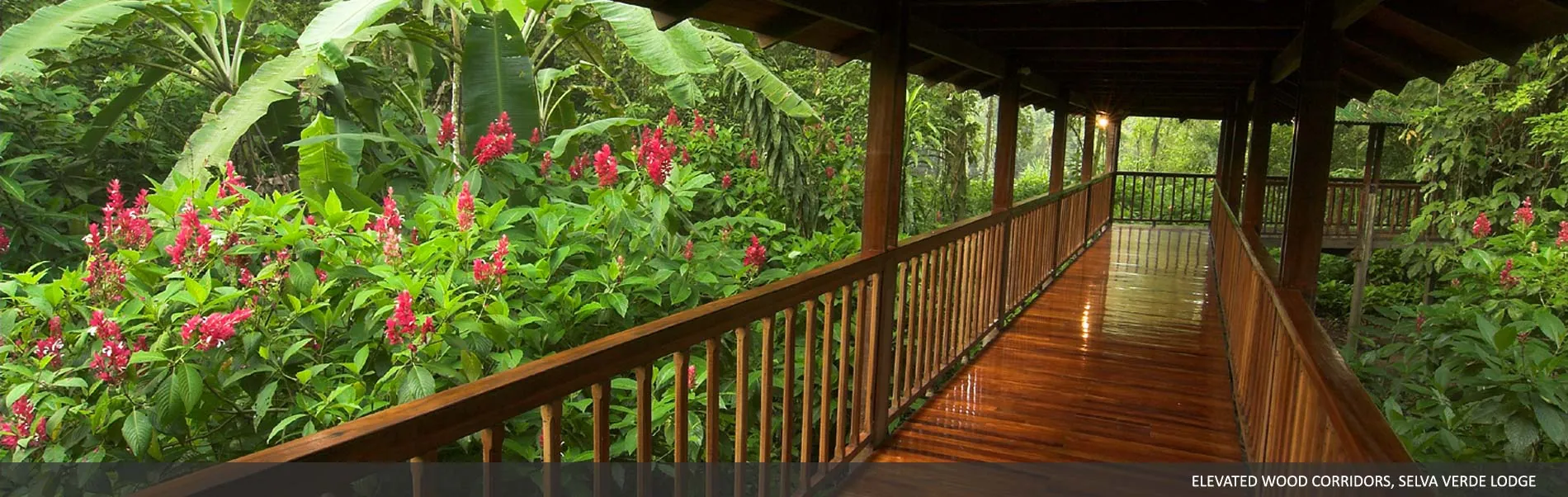
Most guests stay in the River Lodge, a set of wooden buildings raised on wooden platforms and joined by walkways close to the Sarapiquí. Tour operators who sell the lodge describe around 40 rooms there, arranged in blocks of four with verandas, each sleeping one to four people in two double or queen beds, with ceiling fans and private bathrooms.
Uphill on the forest side are seven rainforest bungalows, set apart in the trees above the botanical garden. Each has two double beds, air conditioning plus ceiling fans, screened windows, a patio, a coffee maker, a safe and a private bathroom with solar-heated water. The walk up from reception is short but sloped, so guests with limited mobility are usually better placed in the river rooms. Tour operators also list a two-bedroom suite with a kitchen, known as La Casona, for families and small groups.
Food, pool and common areas
The dining room looks out over the Sarapiquí River and serves a mix of Costa Rican and international dishes, with breakfast from early morning and dinner until 8 pm. Boxed lunches can be ordered a day ahead for anyone heading out on a long excursion. There’s a pool, which the lodge calls its jungle pool, a bar area, a gift shop that sells work by local artisans, and the meeting rooms mentioned above.
Walking the reserve
The lodge runs a short menu of guided activities on its own land, each led by a naturalist guide:
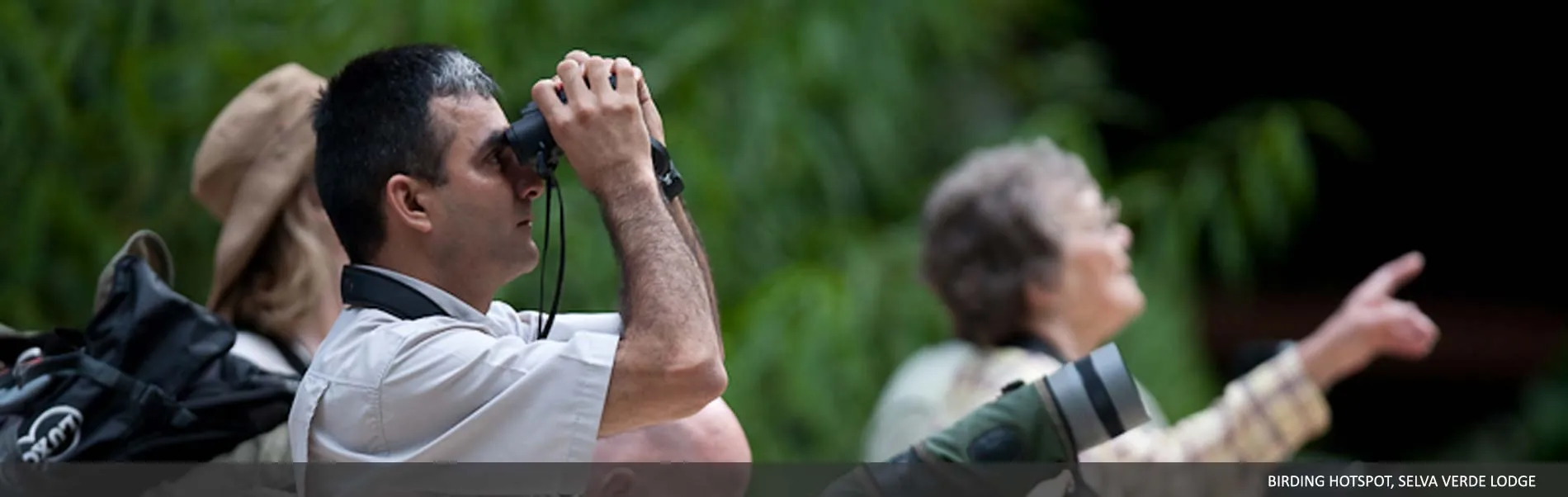
- Early morning bird walk: a daily two-hour walk around the grounds starting at 6 am, with the guide carrying a high-powered spotting scope. Binoculars can be rented at reception.
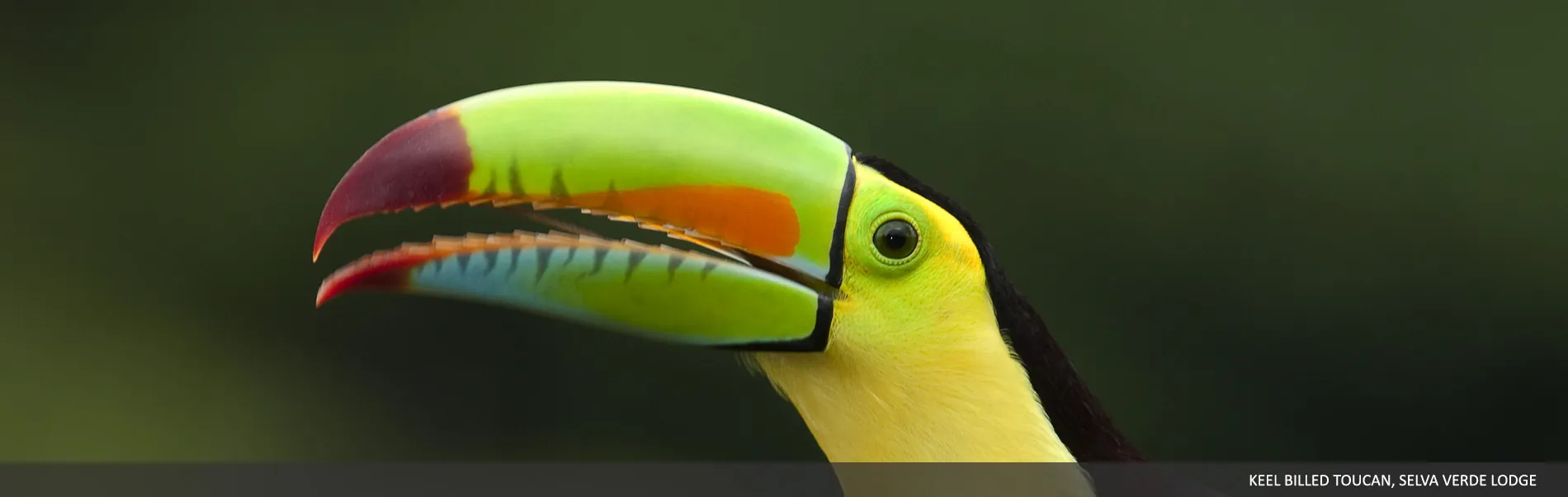
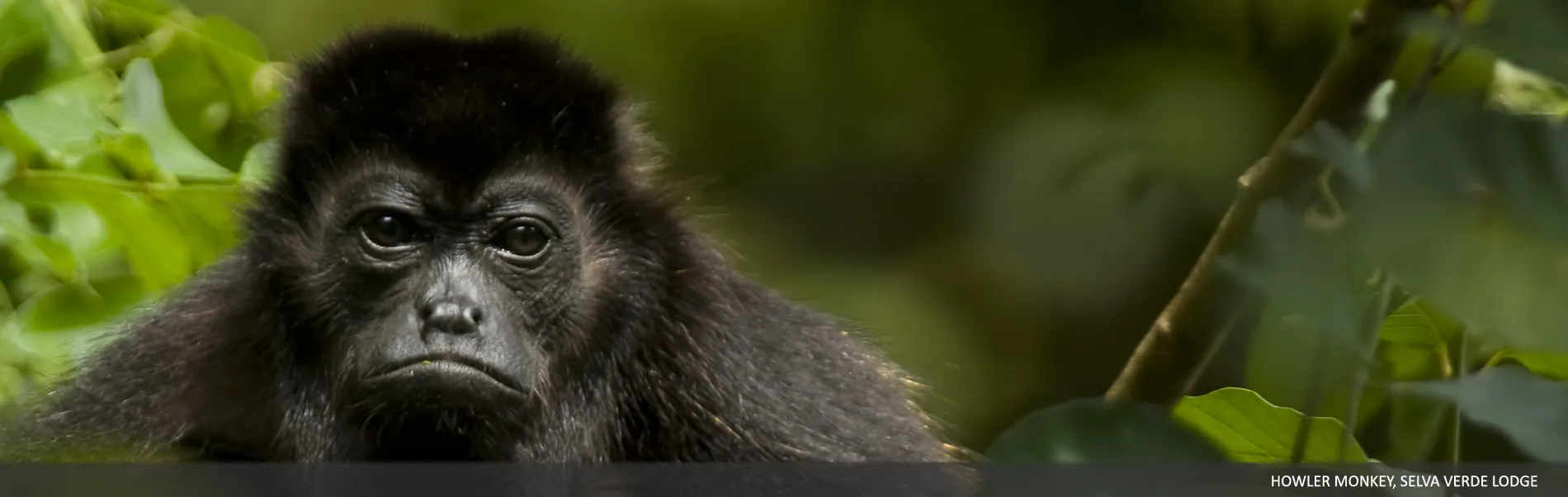
- Guided nature walk: a two-hour ramble into the reserve, morning or afternoon. Monkeys, motmots, toucans and poison dart frogs are among the animals the lodge says guests may see.
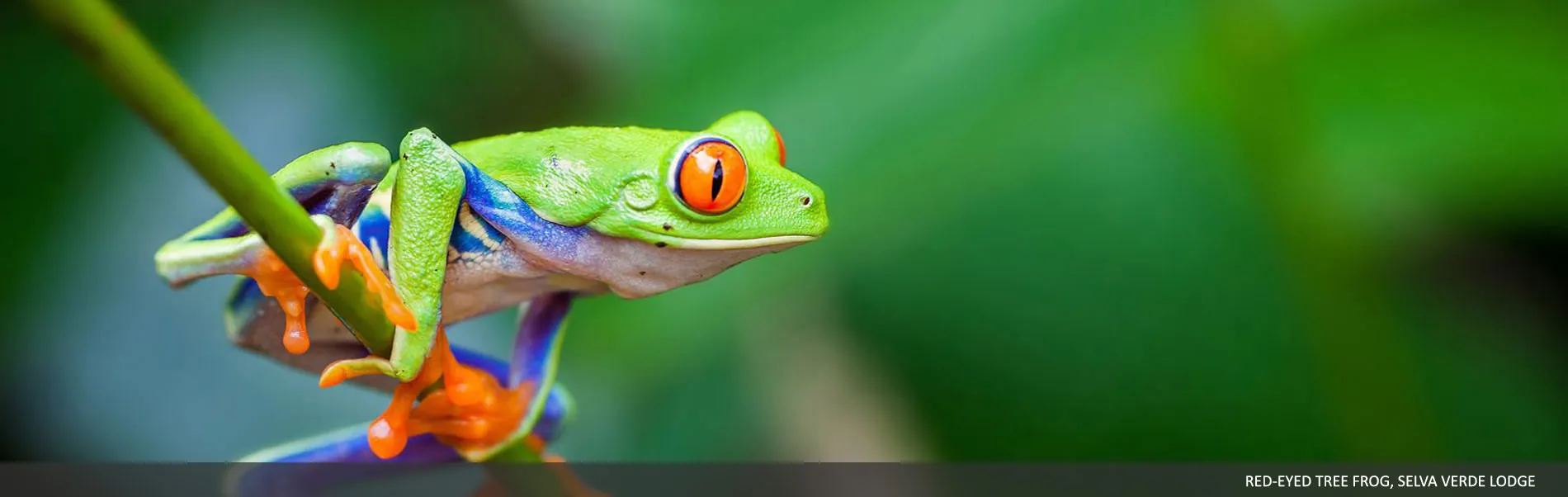
- Night hike: two hours after dark looking for tree frogs, leaf-mimicking insects, kinkajous and bats. Bring a flashlight.
- Almendro Trail: a four-hour guided hike to a mountain almond tree the lodge estimates at about 600 years old, one of the oldest and largest left in Central America. Almendro trees matter here because the endangered great green macaw relies heavily on them for nesting and food.
The lodge recommends booking activities at reception at least a day ahead, and further ahead in the busy months from mid-December through April and in June and July. Off the property, the area is known for rafting and floating trips on the Sarapiquí, chocolate and farm tours, and day trips to Braulio Carrillo; the front desk can arrange these.
Sustainability in practice
Selva Verde is certified at the Elite level in the Certification for Sustainable Tourism (CST) program, with its current certificate dated May 2024. For background on what the levels mean, see our guide to Costa Rica’s CST certification.
The lodge’s sustainability page lists the specifics. Solar panels heat the room water. Restaurant scraps are composted, and that compost feeds the gardens, which are kept free of chemical pesticides, herbicides and fungicides. Glass, paper, cartons and aluminium are recycled, cleaning products are biodegradable, and soaps come from refillable dispensers. Guests are asked never to feed wildlife. The lodge also says it works with the San Juan-La Selva Biological Corridor, the forest link that runs north from this area toward the Nicaraguan border.
The community side is just as concrete. In 1993 the Holbrook family and the lodge started what is now the Sarapiquí Conservation Learning Center, an independent nonprofit next door in Bajos de Chilamate. It runs English and computer classes, environmental education, a women’s group and high school scholarships, and offers visitors cooking and dance classes with local families. The lodge runs its own Green Classroom program for local children as well.
Who it suits, and who might look elsewhere
Selva Verde is a strong fit for birders who want easy early-morning access to lowland species, for study groups and teachers who need classroom space in the forest, and for families who want a first rainforest stay without long drives or rough roads. Its size means it can feel busy when a large group is in residence, and the style is practical rather than romantic.
Couples after a smaller, quieter stay may prefer Chilamate Rainforest Eco Retreat a short way along the same road, and travelers comparing other riverside options in the area could look at La Quinta Sarapiquí Lodge. For more options across the region, see our Northern Plains eco lodges, and for planning a birding trip, our guide to the best eco lodges for wildlife and birdwatching.
Frequently asked questions
How big is the Selva Verde reserve, and can guests walk it alone?
The lodge describes its private reserve as about 500 acres of tropical forest. The main nature activities on it are guided, including the nature walk, night hike and the four-hour Almendro Trail; ask at reception which paths near the lodge are open for walking on your own.
Should I choose a river room or a bungalow?
The river rooms are close to the dining room and the Sarapiquí and are the easier walk. The seven bungalows are quieter and set in the forest uphill from the botanical garden, with air conditioning, but reaching them means a sloped walk that may not suit everyone.
What is the 600-year-old tree on the Almendro Trail?
It's a mountain almond (almendro) tree that the lodge estimates at around six centuries old. These giants are a key nesting and feeding tree for the endangered great green macaw.
Who started Selva Verde?
Giovanna Holbrook put down a deposit on the land in 1982 to protect it from logging, and the lodge has hosted guests since 1986. Her family also helped found the Sarapiquí Conservation Learning Center next door in 1993.