La Selva is one of the most important tropical research stations in the world, and it also takes ordinary visitors. Run by the Organization for Tropical Studies (OTS) since 1968, it protects about 1,600 hectares of lowland rainforest next to Braulio Carrillo National Park, with around 61 km of trails, 470 recorded bird species and simple rooms where scientists, students and nature travelers eat in the same dining hall. Stay here for the forest and the guiding, not for comfort.
At a glance
| Location | Just outside Puerto Viejo de Sarapiquí, Heredia province, about 2 hours from San José |
|---|---|
| Style | Working biological station with cabins, family houses and dorms, up to 180 guests |
| Setting | About 1,600 ha of old-growth and regrowing lowland wet forest bordering Braulio Carrillo |
| Best for | Birders, naturalists, students, families who like learning outdoors |
| Getting there | Paved roads via Route 32 through Braulio Carrillo and Route 4; public buses to Puerto Viejo de Sarapiquí |
| CST status | Not listed in the CST directory (checked 2026-10-21) |
What La Selva is
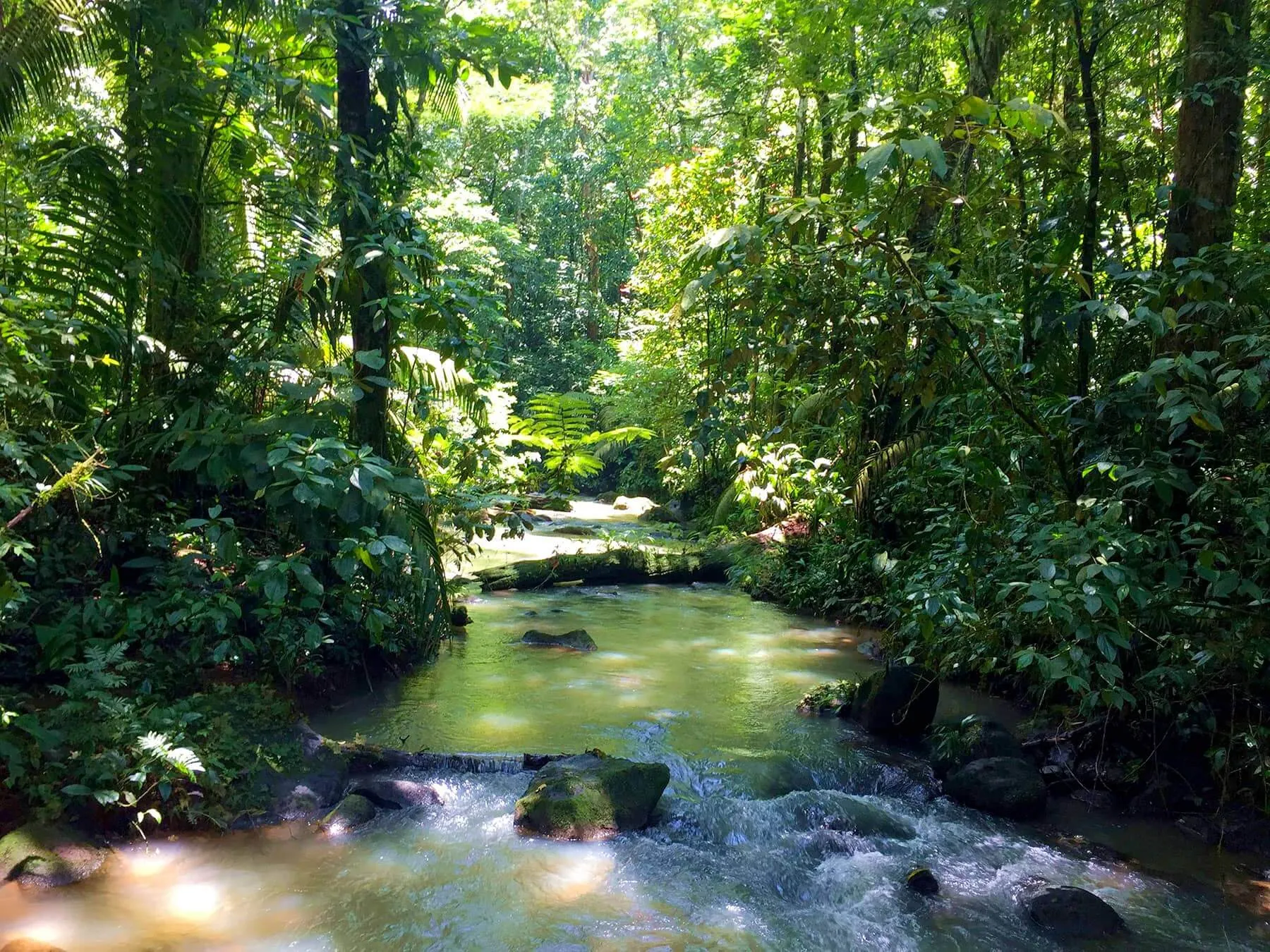
Before it was a station, La Selva was a private farm owned by the forester and ecologist Leslie Holdridge. OTS, a consortium of universities and research institutions, bought it in 1968, and since then it has become one of the most studied pieces of tropical forest anywhere. According to OTS, the reserve covers about 1,600 hectares of old-growth and recovering wet forest, and it connects to the much larger Braulio Carrillo National Park, so the forest runs unbroken from the lowlands up toward the volcanoes of the Central Valley.
The species numbers give an idea of what’s here: more than 2,000 plant species, 125 mammals (72 of them bats), 470 birds, 48 amphibians, 87 reptiles and 45 freshwater fish, plus tens of thousands of insects. Researchers from around the world work on the trails while visitors walk them.
The station sits where the Puerto Viejo River meets the Sarapiquí, in the Caribbean lowlands north of the Central Valley.
Where you sleep
La Selva can host about 180 people overnight, and the visitor page lists 3 kinds of lodging:
- Standard cabins with a single bunk bed and a single bed, a private bathroom, a fan and a balcony.
- Family houses that sleep 4, with 2 rooms, a kitchen, a private bathroom and a terrace.
- Dormitory rooms with bunk beds and shared bathrooms, mostly used by student groups.
There’s no air conditioning, and rooms are plain. The station has a store, laundry service, Wi-Fi, a library and on-site security.
Meals
Meals are served family style in a dining hall seating about 130, at fixed times: breakfast from 6 a.m., lunch from 11:30 a.m. and dinner from 6 p.m. Full-board and breakfast-only packages are available, there’s a vegetarian option every day, and most dietary needs can be handled if you mention them when booking. Packed lunches can be arranged in advance. Sharing tables with researchers is one of the best parts of a stay.
Walking the trails
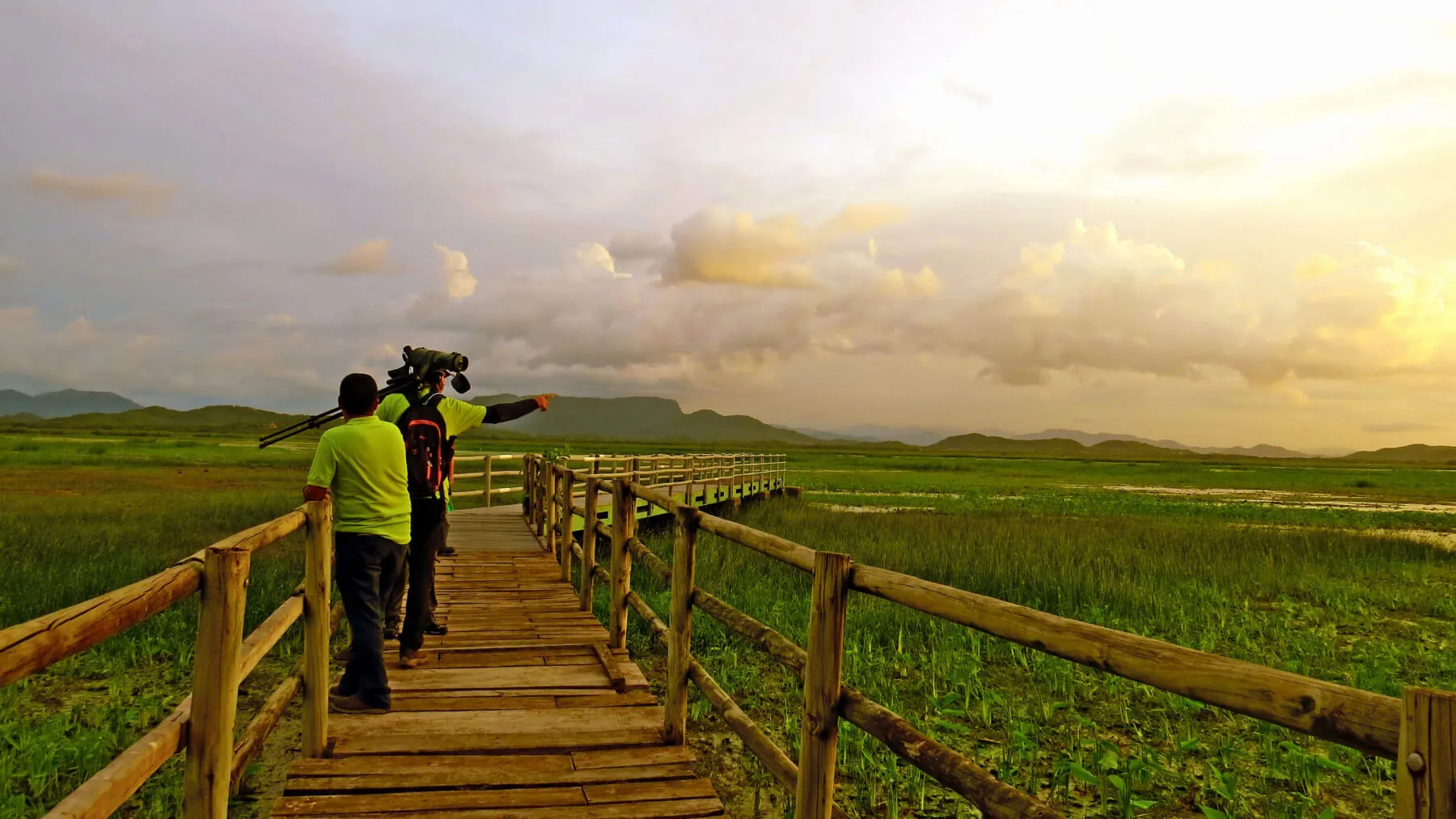
Overnight guests may walk the trail system on their own at any time, which is unusual for a reserve of this quality. One of the trails is paved and fully accessible. Each stay includes one 3-hour guided natural history walk, and more guiding is easy to add:
- Guided walks leave daily at 8 a.m. and 1:30 p.m., with no more than 12 people per guide. Day visitors must walk with a guide.
- Early birding walks start at 5:45 a.m. and last 2 hours.
- Night walks start at 7 p.m. and last 2 hours, the best way to find frogs, snakes and sleeping birds.
- Boat trips on the Sarapiquí River, run by an outside operator, plus workshops and custom programs.
Book birding and night walks when you reserve, or at the front desk before 5 p.m.
Wildlife
With 470 bird species on the list, La Selva is one of the classic birding sites in Central America. The station’s naturalist guides lead birders through primary forest, swamp, regrowing forest and old pasture, each with its own species. Great green macaws, toucans, trogons and many antbirds are among the birds visitors hope for, and mammals such as collared peccaries, agoutis and several monkeys use the trails too. Poison dart frogs are common along the paths. As in any wild forest, nothing is guaranteed, and the guided walks greatly improve the odds.
A different kind of sustainability
La Selva isn’t a hotel with green policies; it’s a conservation and science institution that funds part of its work by hosting visitors. More than 50 years of research here have shaped how the world understands tropical forests. It isn’t listed in the CST directory, which mainly certifies tourism businesses.
Who it suits, and who might prefer somewhere else
La Selva is ideal for birders, wildlife photographers, students and curious families who want expert guiding and a real research atmosphere. It’s also a good base for a few days in Sarapiquí, with rafting, chocolate farms and other reserves nearby.
Travelers who want a pool, air conditioning or a more relaxed hotel feel would be happier at Selva Verde in Chilamate, a short drive away, or at Chilamate Rainforest Eco Retreat. For more choices, see the northern eco lodges and our guide to the birds of Costa Rica.
Frequently asked questions
Can tourists stay at La Selva, or is it only for scientists?
Tourists are welcome. OTS runs a program for natural history visitors with its own packages, alongside researchers and university groups. Reservations go through OTS, via its booking page.
Can I visit La Selva for the day?
Yes. Day visitors join a 3-hour guided walk at 8 a.m. or 1:30 p.m. Only overnight guests may walk the trails without a guide.
When is the best time to go?
La Selva is wet all year. OTS treats mid-December to April and June to August as regular season, and May and September to mid-December as green season, when it's quieter and rainier.
How do I get there without a car?
Take a bus from San José to Puerto Viejo de Sarapiquí. OTS warns visitors to take the Sarapiquí bus, not the one to Puerto Viejo de Talamanca on the Caribbean coast.


