Casitas Tenorio is a small bed and breakfast on a working dairy farm just outside Bijagua, the village that serves as the gateway to Tenorio Volcano National Park and the Río Celeste. You stay in one of six cottages, help milk a cow before breakfast if you like, and spend the day on the volcano’s trails. It suits travelers who want a personal, hands-on farm base rather than a resort.
At a glance
| Location | Edge of Bijagua de Upala, Alajuela province, on the northern side of Tenorio Volcano |
|---|---|
| Style | Family-run B&B with six casitas and a two-bedroom guest house |
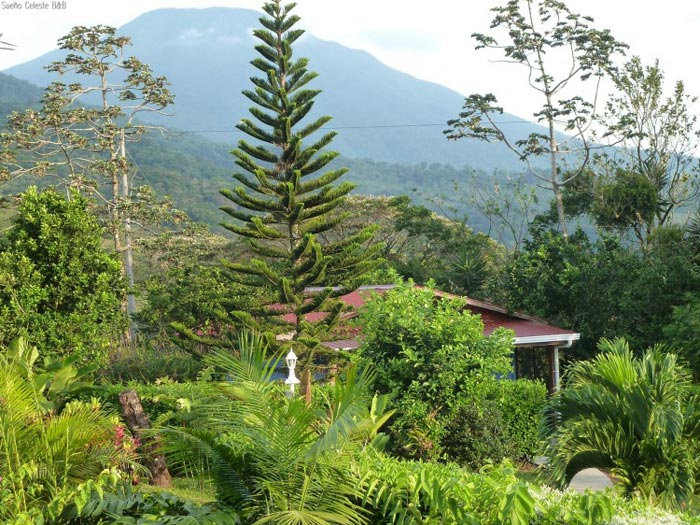
| Setting | Small dairy farm with gardens and a strip of remnant rainforest, views of the Tenorio and Miravalles volcanoes |
| Best for | Families, birders on a budget of time, travelers who like to meet their hosts |
| Getting there | By car via Bijagua; a vehicle is useful because the farm sits above the village center |
| CST status | Not in the current official directory (checked 2026-Oct-20) |
Where it is
Bijagua sits in the saddle between the Tenorio and Miravalles volcanoes in Costa Rica’s northern interior, on the road that runs from the Pan-American Highway up to Upala. Tenorio Volcano National Park, according to SINAC’s park page, lies about 9 km from Bijagua. Its main trail, Misterios del Tenorio, runs roughly 3 km one way past the Río Celeste waterfall, the Laguna Azul, bubbling volcanic vents and the Teñideros, the spot where two clear streams meet and the river turns sky blue. The park admits visitors from 8 a.m. to 2 p.m., so an early start from a base this close is a real advantage.
The farm itself lies a little uphill from the center of Bijagua. The private hanging bridges at neighboring Heliconias are about 800 meters away, according to the lodge’s activities page.
The farm and the people behind it
This is a family farm first and a guesthouse second. Its owner, Pip, first came to the area as a volunteer and lived for a time in Tonjibe, a village of the Maleku indigenous people, more than 17 years ago; she still keeps close ties with that community, the lodge says. The Costa Rica Tourism Board’s own Bijagua visitor guide describes the property as a farm of about seventeen acres where eight dairy cows are milked by hand twice a day and the milk goes to a local cheese factory.
That routine shapes the guest experience. Every morning at 7 a.m. there’s a free farm tour for guests: a short walk from the cottages to the cow barn, a turn at hand milking, an explanation of how cheese is made, then egg collecting and a wander through the vegetable and fruit gardens.
Rooms
There are six named casitas (El Tucán, Pura Vida, El Bosque, El Sol, La Luna and El Volcán) plus Mi Casa es Su Casa, a fully furnished two-bedroom house set in a garden near the owners’ home that suits larger families or friends traveling together. Layouts differ between casitas, so ask which one fits your group before booking.
Breakfast from the farm
Breakfast is the meal the place is known for, and it’s built around what the farm produces. According to the lodge, eggs, milk, cheese, butter, bread, fruit and jams all come from the property, with bread baked on site and jams made from tropical fruit. Lunch and dinner aren’t part of the B&B format, so plan to eat in Bijagua’s sodas and small restaurants in the evening, or book the traditional cooking class the hosts arrange with a neighboring family, where you make Costa Rican dishes in a local home.
What to do on the property
- Morning farm tour: daily at 7 a.m., free for guests.
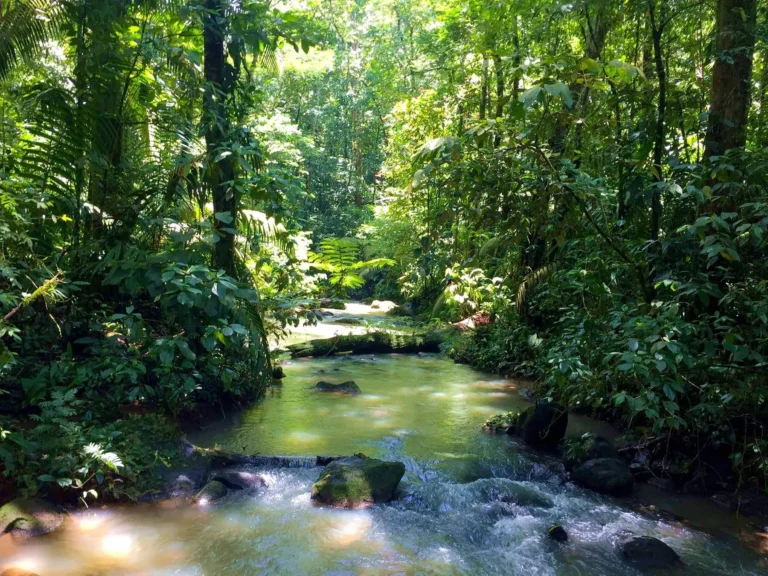
- Tenorio Trail: a private path through remnant rainforest with views across to the Miravalles and Tenorio volcanoes. Monkeys, sloths and forest birds are regularly reported along it.
- Birding: the lodge reports more than 100 bird species recorded on the farm itself, and private birding guides can be booked.
- Massage: a trained therapist comes to the property on request.
Nearby
Most guests come for the Río Celeste, and the hosts can arrange tubing on the river, horseback rides that can reach the national park, a chocolate tour at a family cacao farm and a guided night walk on a reforested farm. Farther afield, the lodge lists rafting on the Tenorio River about 30 minutes away (Class III to IV, including a 12-foot drop), a slow float trip on the same river, the Palo Verde wetlands about an hour away and the Caño Negro wetlands roughly 90 minutes away. The hosts can also arrange a visit to the Maleku community with a traditional meal.
Sustainability: what the lodge actually does
Casitas Tenorio publishes an unusually detailed sustainability page, and the list is practical rather than aspirational. According to the lodge:
- Gardens and lawns are never irrigated and rely only on rain, and collected rainwater is used in the dairy.
- Laundry dries in a solar drying area, water heaters are on demand, and lighting uses efficient bulbs with automatic controls.
- Organic scraps are composted or fed to the chickens, single-use plastics are banned, and construction and furniture use recycled and salvaged materials.
- The farm follows organic and permaculture methods and plants native trees within the Tenorio Miravalles Biological Corridor.
- Staff are hired from the community with insurance and benefits, and the family runs free English classes, an environmental camp for local students called Camp Green, and day trips for residents of a local elder care home.
- Guests can join Pack for a Purpose by bringing school or medical supplies, and the Dona Tapa project collects plastic bottle caps to be recycled into boards for accessible beach walkways.
The lodge also reports Bandera Azul (Blue Flag) participation and lists itself as a founding member of the Costa Rican Chamber of Rural Tourism. It shows the CST logo among its credentials, but it did not appear in the official CST directory of certified entities when we checked in October 2026, so treat any CST claim as unconfirmed until it’s relisted.
Wildlife
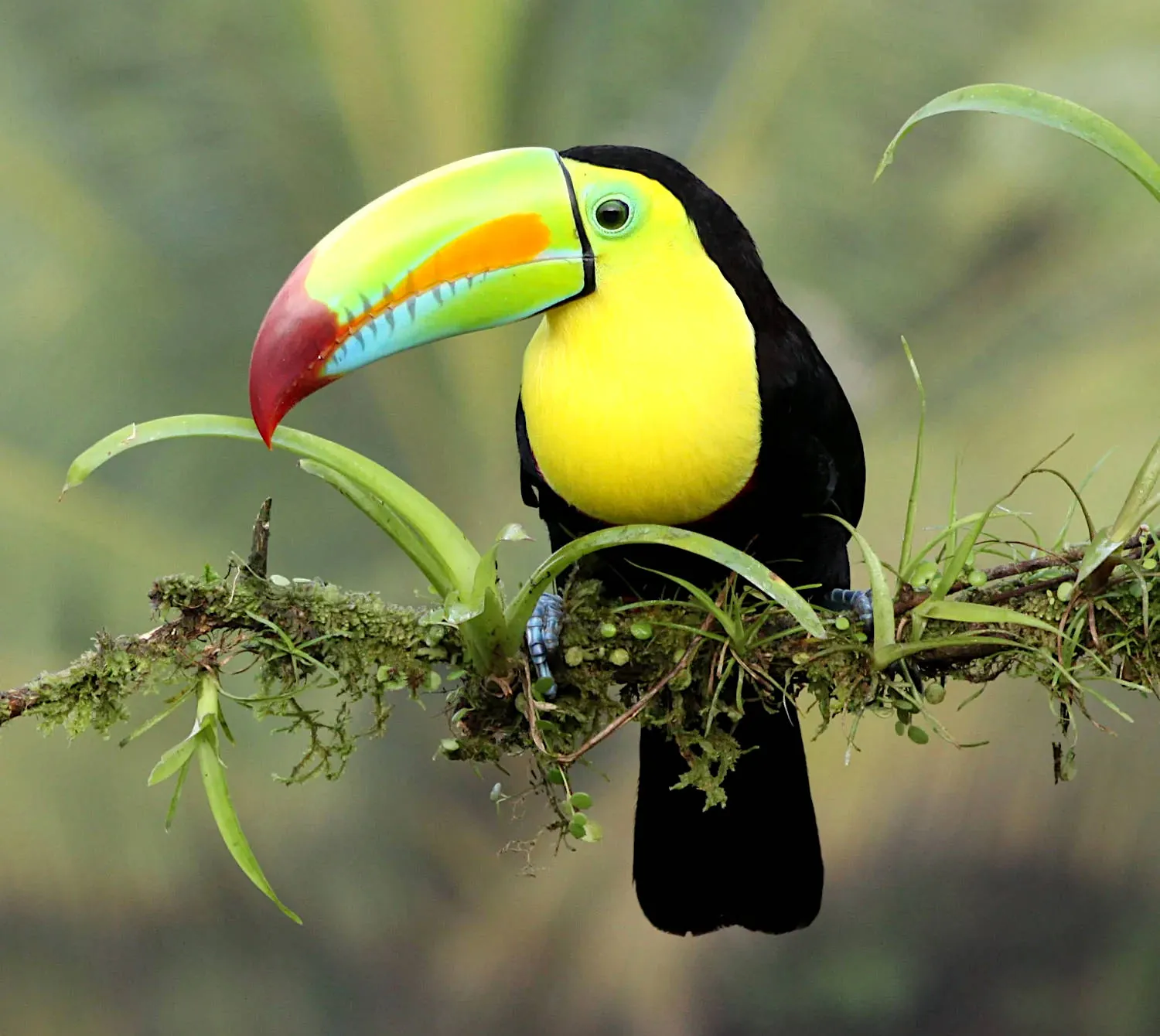
Sloths are the animal most guests mention, and howler monkeys, toucans, motmots, trogons, hummingbirds and coatis are all reported around the gardens and the forest edge. The surrounding Bijagua area has a bird list of more than 300 species, according to the lodge. As anywhere, sightings depend on season, weather and luck.
Who it suits, and who might look elsewhere
Casitas Tenorio works best for families with children who’ll love the cows and the eggs, for couples who prefer a host who knows every neighbor, and for travelers using Bijagua as a two- or three-night base for the Río Celeste.
It’s less suitable if you want a pool, a full-service restaurant on site or spa-style rooms; this is a farm, with farm sounds and farm hours. Travelers without a car should arrange transport ahead, since the casitas sit above the village. If you want deeper forest around you, look at the lodges higher on the volcano’s slopes.
For other stays in the area, see Tenorio Lodge, Celeste Mountain Lodge and the full list of northern Costa Rica eco-lodges. Our Arenal and Río Celeste guide explains how to combine Bijagua with Arenal on one trip.
Frequently asked questions
Can guests really milk the cows at Casitas Tenorio?
Yes. The free farm tour leaves at 7 a.m. every day and includes hand milking in the cow barn, a short talk about cheese making and collecting eggs, and it's open to every guest.
How close is Casitas Tenorio to the Río Celeste?
The national park is about 9 km from Bijagua according to SINAC, so it's a short drive from the farm. Park entry closes at 2 p.m., and the main trail to the waterfall and the Teñideros is roughly 3 km each way, so leaving after breakfast gives you plenty of time.
Are meals other than breakfast served?
The stay is bed and breakfast. Breakfast uses the farm's own eggs, dairy, bread and jams. For other meals, guests eat in Bijagua or book the cooking class with a neighboring family.