

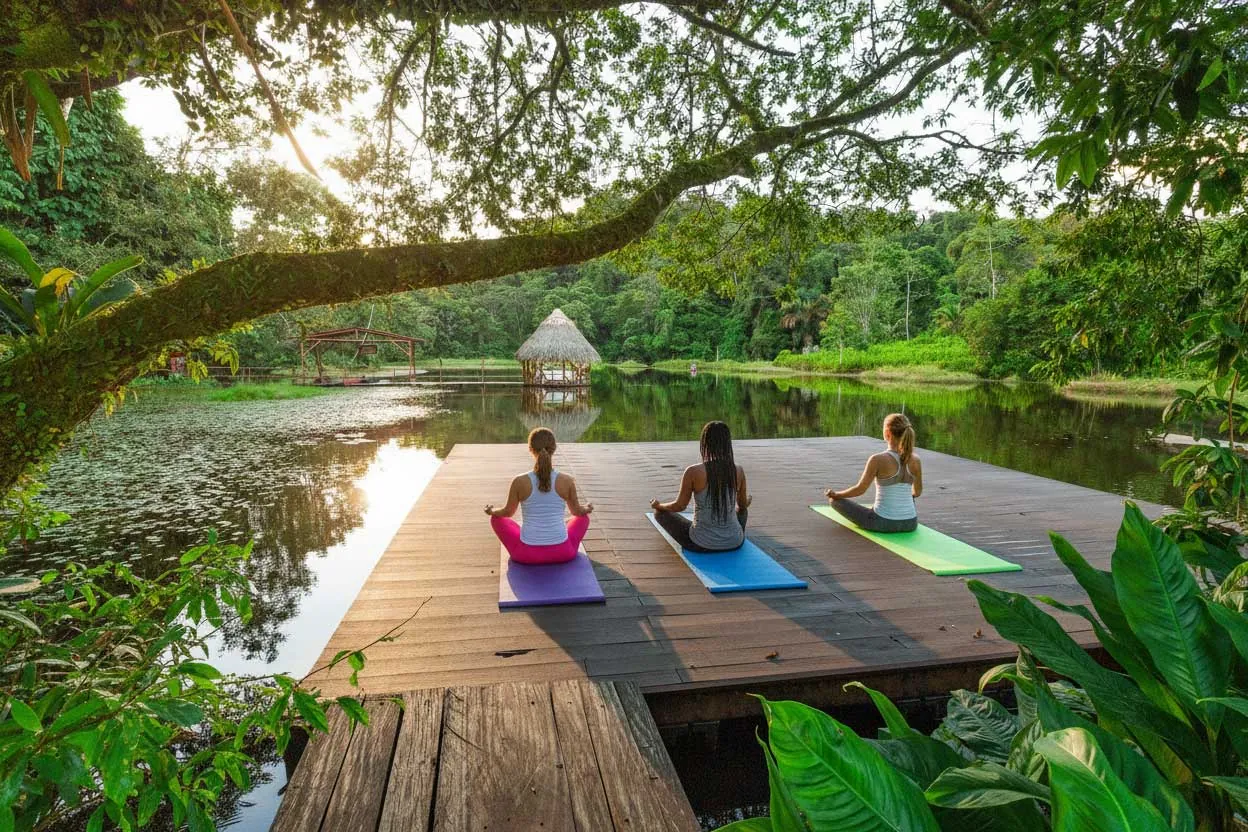
Maquenque Eco Lodge is a family-run lodge of treehouses and lagoon-side bungalows on the San Carlos River at Boca Tapada, deep in Costa Rica’s northern lowlands and inside the Maquenque Mixed Wildlife Refuge. It holds the CST’s top Elite level, and it’s one of the best places in the country to look for the endangered great green macaw. Stay here for birding, quiet wetlands and a part of Costa Rica that few tour buses reach.
At a glance
| Location | Boca Tapada de Pital, San Carlos, Alajuela, about 30 minutes past Pital |
|---|---|
| Style | Family-run eco-lodge with treehouses, bungalows and a jungle suite |
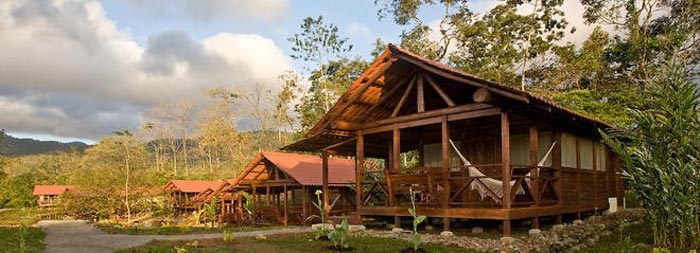
| Setting | Forest, gardens and lagoons on the San Carlos River, inside the Maquenque refuge |
| Best for | Birders, wildlife photographers and families who like a treehouse adventure |
| Getting there | Paved and gravel roads to the lodge’s parking area, then a short boat across the river |
| CST status | Elite level, certified November 2025, valid to November 2028 |
Where it is
Boca Tapada is a farming village near the Nicaraguan border, where the San Carlos River runs north toward the Río San Juan. The lodge’s services page says it’s about 30 minutes from the town of Pital, and its address puts it 3.5 kilometers east of the Boca Tapada primary school. Guests leave their cars in a parking area by the road, call reception, and are ferried across the river by boat to the lodge.
That location is the point of the place. The lodge operates inside the Maquenque Mixed Wildlife Refuge, created in 2005 to protect the habitat of the great green macaw and the mountain almond tree it depends on for food. The refuge covers around 51,855 hectares, according to its Ramsar wetland listing, and “mixed” means farms, villages and private land sit inside it alongside forest and wetland. The lodge can arrange private transfers from San José, La Fortuna, Sarapiquí and Guápiles, which makes it easy to combine with Arenal or Tortuguero.
Rooms
The accommodation page lists five kinds of room:
- Bungalows: rustic wooden units spaced apart for privacy, each with a terrace facing the lagoons.
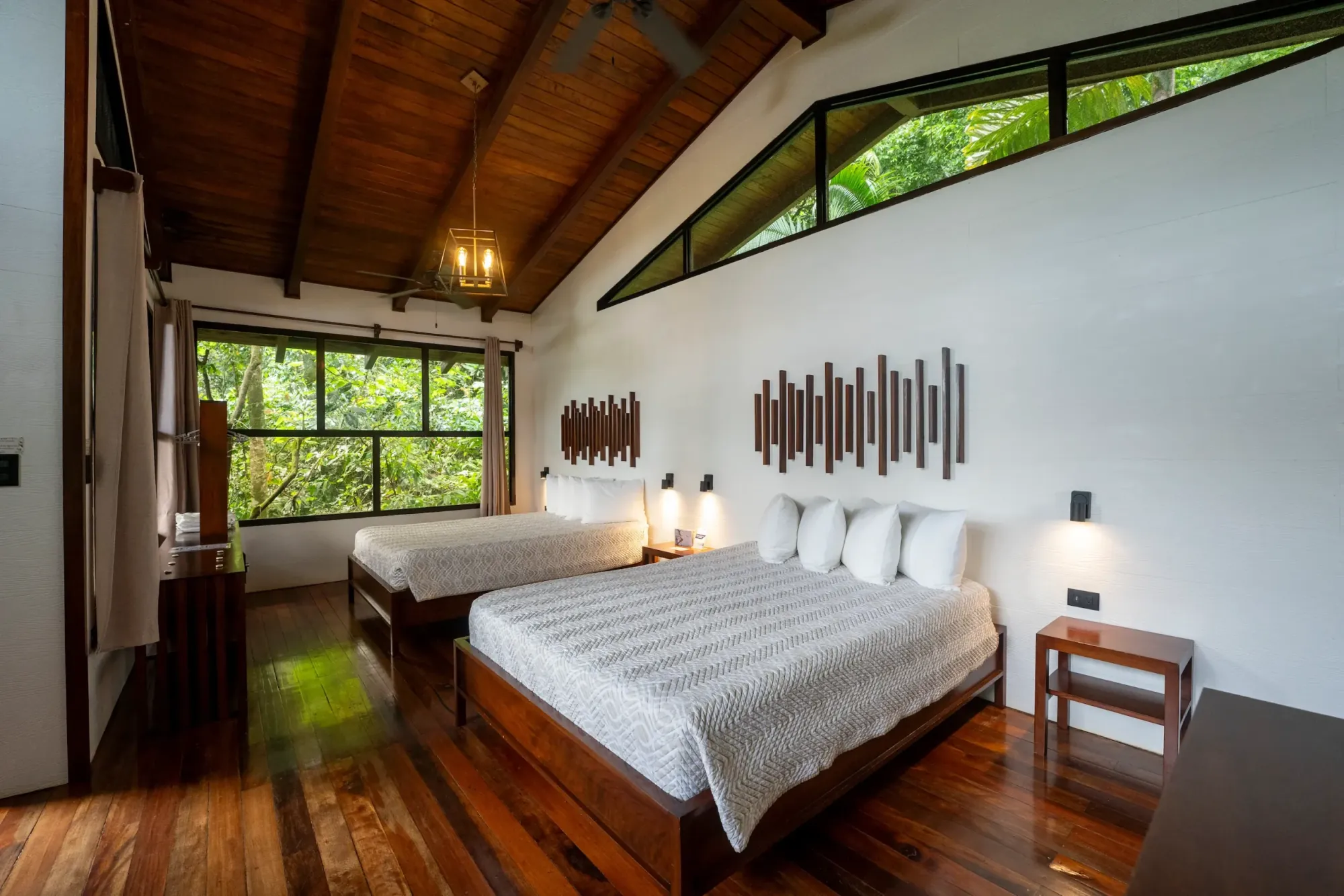
- Jungle Suite: a recently renovated room set among dense planting.
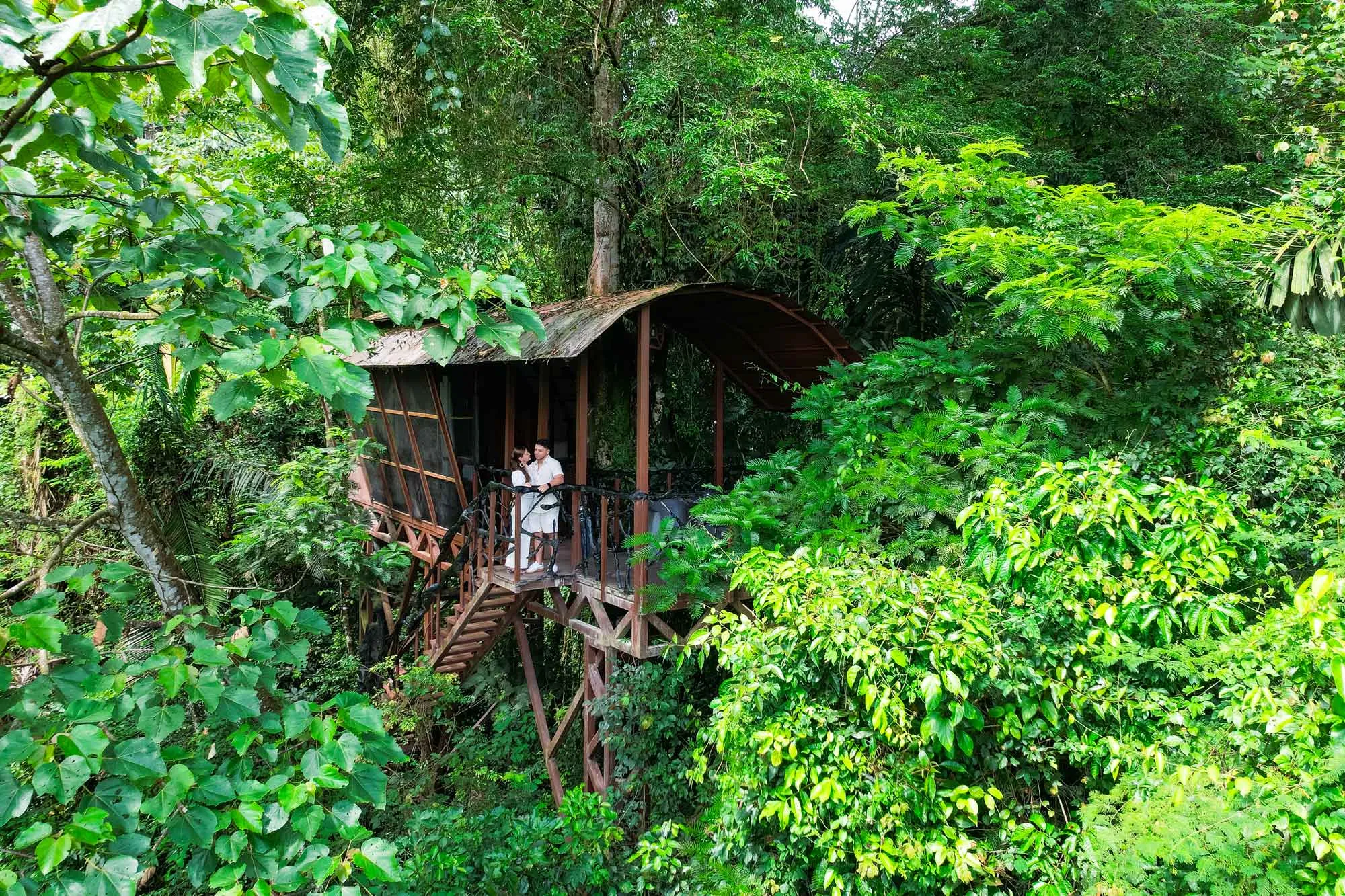
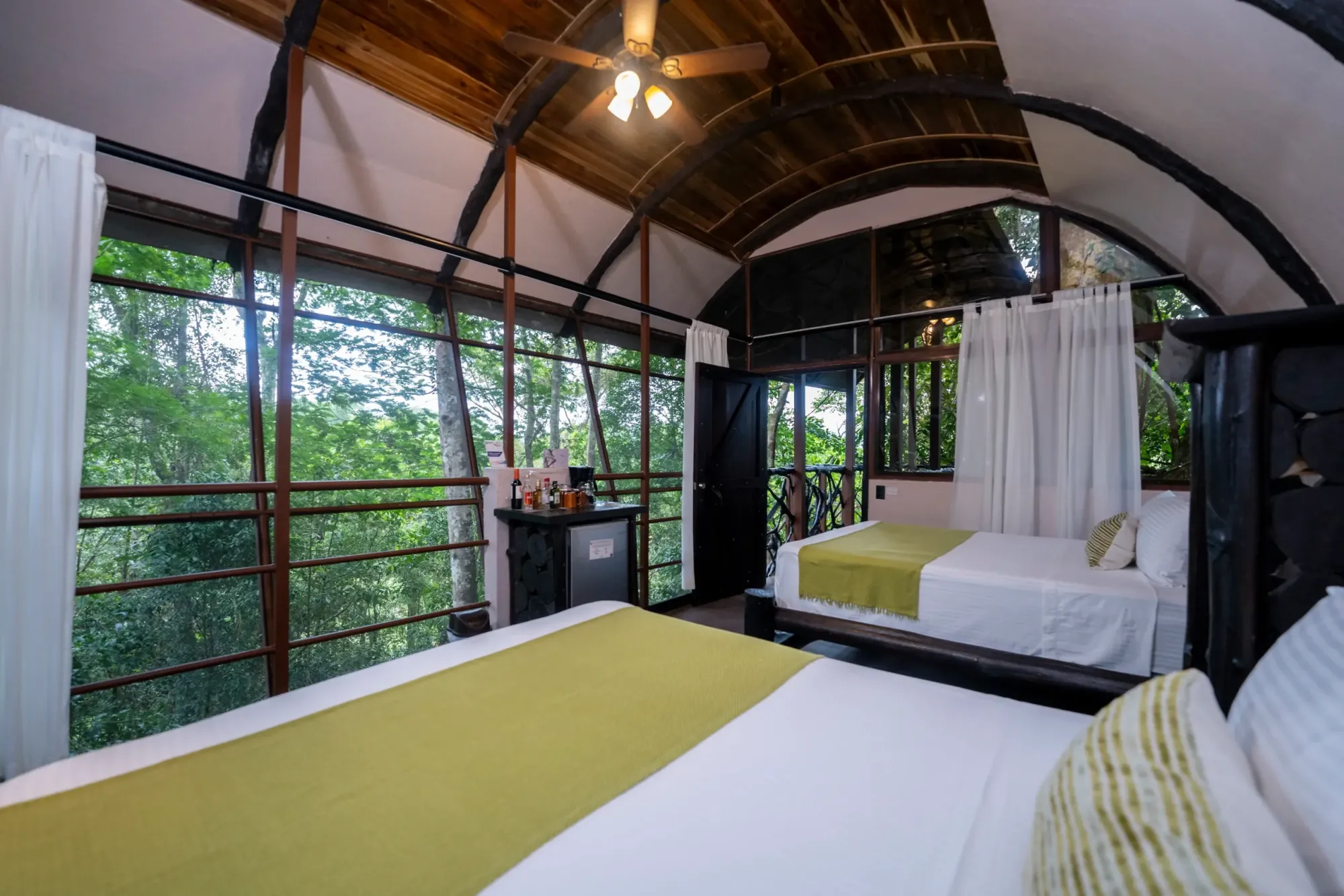
- Tree House: raised about 6 to 8 meters above the ground, cooled by breezes and large screened windows rather than air conditioning.
- Deluxe Tree House: a more comfortable treetop room with extra space.
- Junior Tree House: the newest category, up to 60 square meters in a quieter part of the grounds, sleeping up to five.
The lodge calls itself the first treehouse hotel in Costa Rica, a claim it makes on its own site. Children under 5 aren’t allowed in the treehouses. One guest review on the lodge’s site mentions a 10 to 15 minute walk between the main building and the treehouses, so pack a flashlight. Breakfast is included with treehouse bookings, and full board can be added to any stay.
Food
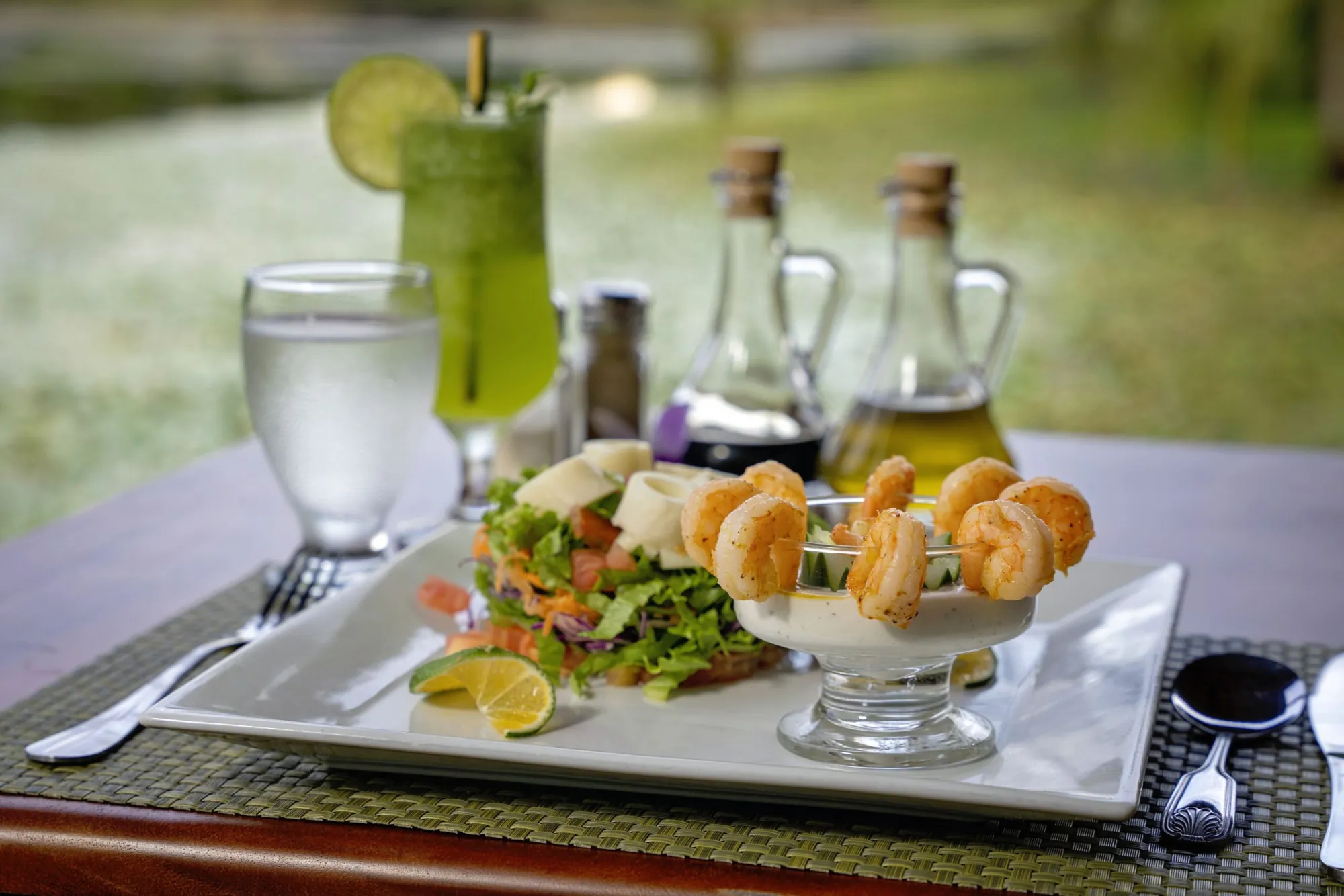
The restaurant, El Paso de la Lapa, looks over the lagoons and the hills beyond and is split into two rooms, Teca and Caña Brava. The gastronomy page describes Costa Rican cooking alongside international dishes, built on local produce, with a bar, a coffee counter and a small wine cellar. One family’s review on the lodge’s site describes watching caimans, coatis, agoutis and birds at the pond from their table.
What to do
The experiences page lists guided trips that mostly begin from the lodge’s own grounds or dock:
- Birdwatching: walks start at 6 am through gardens, lagoons and forest trails. The lodge reports more than 590 bird species in the area, with the great green macaw, scarlet macaw, toucans, honeycreepers, euphonias and jacamars among the highlights.
- San Carlos River to the border: a boat trip leaving at 8:30 am, looking for crocodiles, turtles, bats and kingfishers, with a stop in the village of Boca San Carlos near Nicaragua.
- Kayaking and river floats: gentle paddles on the Tres Amigos River with a naturalist guide.
- Horseback riding: through lagoons and forest edge, open to riders aged 7 and up.
- Night walk: frogs, caimans, snakes, spiders and night birds in the gardens and forest.
- Farm tour: chocolate, coffee, sugarcane and organic crops on a working farm along the river, with tastings.
There’s also an infinity pool and an open-air spa under a thatched palenque.
Wildlife
The lodge says sloths, caimans, poison dart frogs and howler monkeys live within walking distance of the rooms, and recent guest reviews on its home page add spider monkeys, scarlet macaws, coatis, agoutis and even a tapir seen near the pond. The great green macaw is the flagship species of the refuge and is endangered, so a sighting is a real event and never guaranteed.
Sustainability
Maquenque is one of a small number of Costa Rican hotels at the CST’s Elite level. Its official CST listing shows certification on November 18, 2025, valid until November 18, 2028. The listing says the lodge opened in 2009 with a commitment to the refuge, employs more than 45 families from the area, buys local products, uses solar energy, saves water and energy, runs a recycling program, supports environmental education in schools and lets visitors plant native trees.
On its sustainability page, the lodge adds a no-feeding rule for wildlife, sorting bins in every public area, water refill stations instead of bottled water, and a written sustainability manual covering water, energy, waste, purchasing and staff. With the tour operator Canoa Aventura, it supports SONATI, a non-profit running environmental education in five rural schools inside the refuge. The lodge describes itself as run by a local Boca Tapada family.
Who it suits
Birders will find few better bases in the north, and the treehouses make the trip memorable for families with children over 5. Couples looking for somewhere quiet between Arenal and the Caribbean will also do well here.
It’s less suited to travelers who want beaches, nightlife or air conditioning in every room, and the drive in is long, with the last stretch on rural roads. Expect heat, humidity and rain; the lodge’s FAQ names September and November as the rainiest months. Nearby, Laguna del Lagarto Eco Lodge is a simpler option in the same forest, and Bocatapada Lodge is close by. See all our Northern eco-lodges, and plan your sightings with our guide to the best eco-lodges for wildlife and birdwatching.
Frequently asked questions
How do you reach Maquenque Eco Lodge?
Drive to the lodge's parking area by the road near Boca Tapada, about 30 minutes past Pital, and call reception from the car park phone. Staff then take you across the San Carlos River by boat. Private transfers can also be booked from San José, La Fortuna, Sarapiquí and Guápiles.
Do the treehouses have air conditioning?
The standard treehouses don't. They rely on height, screened windows and the forest breeze. Ask the lodge about other categories if cooling matters to you.
Is Maquenque a good place to see the great green macaw?
It's one of the better places in Costa Rica to try. The bird is the flagship species of the Maquenque refuge, and the lodge's dawn bird walks look for it, but it's endangered and sightings can never be promised.
Can young children stay in the treehouses?
Not under 5. Families with younger children can book a bungalow or the Jungle Suite instead.