The hardest part of a remote eco-lodge vacation often isn’t the rainforest hike. It’s getting to the lodge in the first place. An Osa Peninsula lodge might need a small-plane flight and a bumpy road transfer. A Tortuguero lodge is reached by boat through the canals. A Golfo Dulce lodge may have no road at all, and a river lodge on the Pacuare may welcome you off a raft. These details shape how your trip feels and what it costs.
Never judge travel time from a straight line on a map. Mountains and rivers create long detours, some roads change with the rain, and boats and small planes run on schedules. The most useful habit is to find the last town with dependable services, then ask the lodge for its exact final transfer: where, when, how and what happens if something is delayed. That one question prevents more booking problems than anything else.
Transport options compared
| Method | Most useful for | Watch out for |
|---|---|---|
| Domestic flight | Drake Bay, Puerto Jiménez, Golfito, Tortuguero, Cobano (Santa Teresa and Malpaís) | Tight baggage limits, weather delays, which San José airport |
| Private or shared road transfer | Arenal, Monteverde, Sierpe, Siquirres, the Pacific coast | Exact drop-off point, mountain roads, rain |
| Rental car | Multi-stop mainland routes | Unpaved last stretches, river crossings, rental restrictions |
| Lodge or public boat | Tortuguero, Drake Bay, Golfo Dulce | Fixed departure times, sea and river conditions, wet landings |
| Raft or 4×4 | Pacuare River | Minimum ages, river levels, luggage handling |
| Car ferry | Southern Nicoya (Montezuma, Santa Teresa) | Limited online tickets, queues on busy days |
Domestic flights: fast but light
Small planes save a full day of driving to the Osa or Tortuguero. Sansa, one of Costa Rica’s domestic airlines, lists routes to Drake Bay, Puerto Jiménez, Golfito, Tortuguero, Quepos, Nosara, Tamarindo, La Fortuna, Liberia and Cobano, the airstrip for Santa Teresa and Malpaís. Other carriers serve some of the same strips, and they don’t all use the same airport: one Drake Bay lodge notes that Sansa and Skyway fly from the main Juan Santamaría airport, while Aerobell uses Tobías Bolaños in Pavas, about 30 minutes away.
Pack light. Sansa’s baggage rules tie your checked allowance to the fare you buy, require any carry-on over 6.8 kg to be checked and warn that excess bags may travel on a later flight. Folding strollers up to 7.2 kg go only if there’s room. Many lodges will store a large suitcase in San José if you ask.
Tortuguero: travel by water
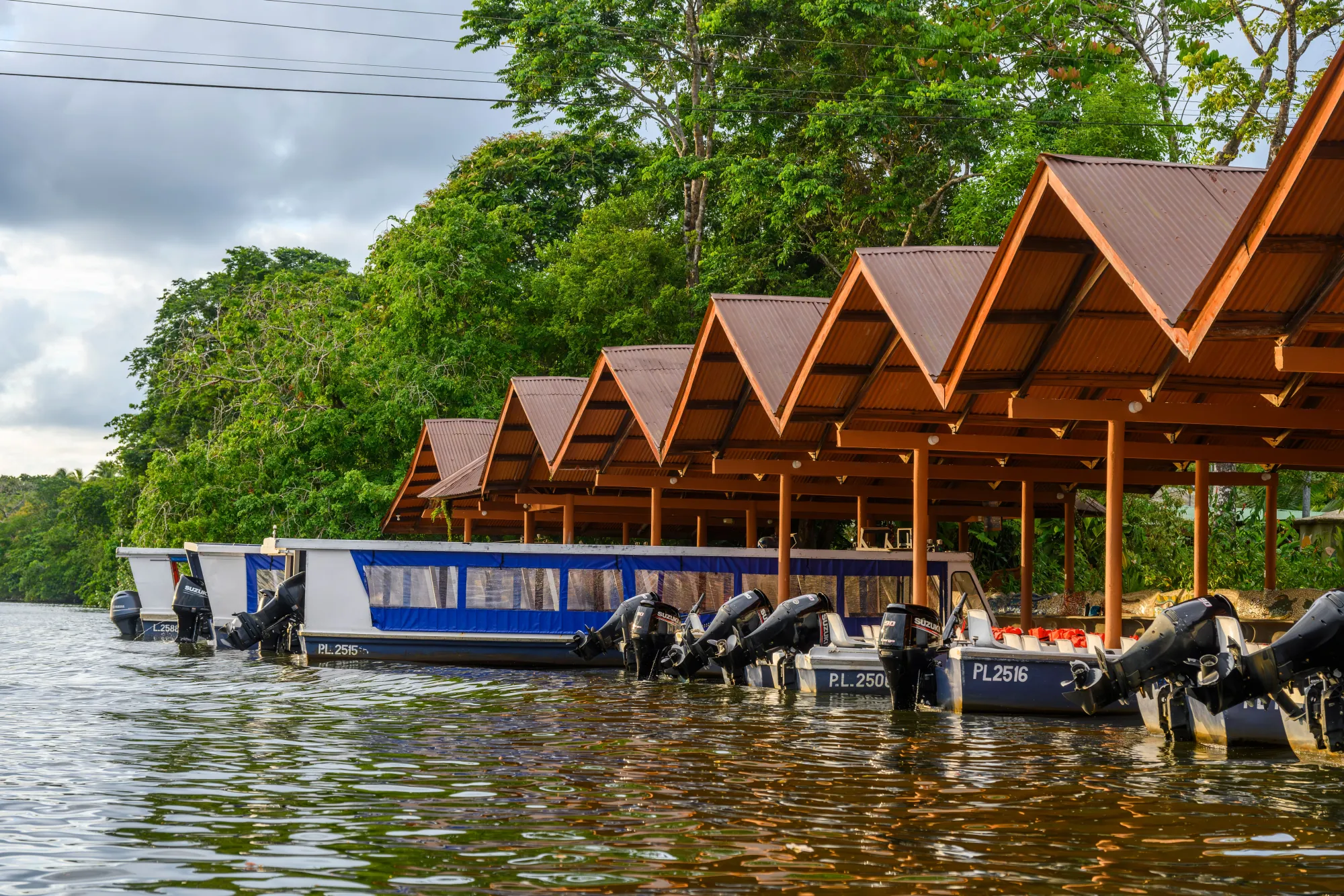
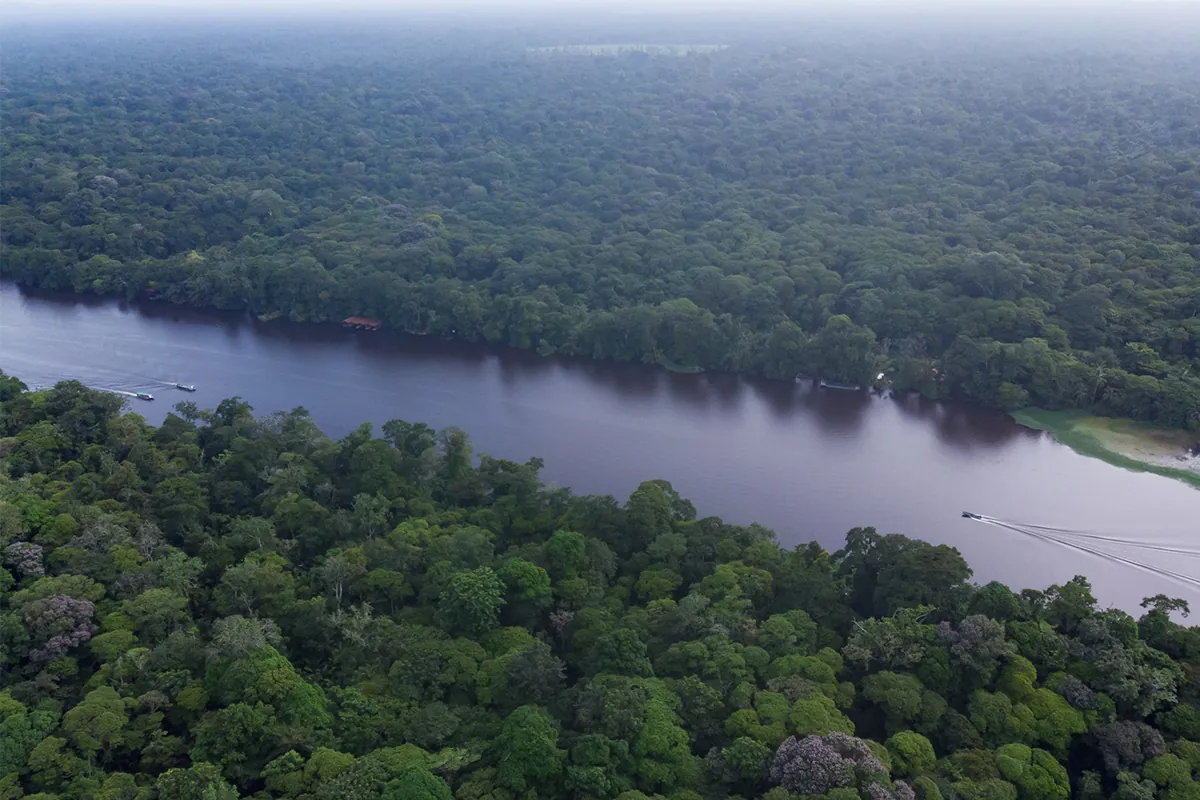
SINAC describes Tortuguero as a park reachable only by small boats, and the village has no road. The official park brochure marks the La Pavona river dock as a mainland landing point, and the canal trip from there is part of the experience. Small planes also fly into Tortuguero for travelers short on time.
The easiest way in is usually a lodge package. Pachira Lodge and Turtle Beach Lodge both sell stays that include road transport from San José, the boat, meals and a guided canal tour. Tortuga Lodge & Gardens, one of the oldest lodges in the area, is another option; ask it exactly how its arrivals work. Whichever you choose, get the departure point, pickup time, luggage rules and the plan for a missed connection in writing. Leave a buffer before any international flight, since boats don’t run at night and heavy rain can slow things down. Our Tortuguero National Park guide covers what to do once you’re there.
Drake Bay: plane or mangrove boat
Drake Bay sits on the northwest side of the Osa Peninsula and is the main gateway for boat trips to Corcovado’s San Pedrillo and Sirena sectors and to Isla del Caño. There are two usual ways in. The Aguila de Osa arrival page describes both: fly to the Drake Bay airstrip, take a short taxi ride to the beach and finish by boat, or fly or drive to the Sierpe area and ride a boat for about an hour down the Sierpe River, through some of the largest mangroves on Central America’s Pacific coast, to the bay. The lodge’s own boat leaves Sierpe around 11:30 a.m. most days, and it lists public boats at 11:30 a.m. and 3:30 p.m. Driving all the way to Drake is possible but not recommended, on a dirt road with several river crossings that needs a good 4×4.
Aguila de Osa Inn is a short walk from Drake’s main beach, while La Paloma Lodge includes land and boat transfers from the Drake airstrip in its packages. Other Drake lodges sit farther along the coast and are reached only by boat or trail. Ask if you’ll land on a dock or wade ashore through the surf, and pack a dry bag either way.
Puerto Jiménez, Cabo Matapalo and Carate
Puerto Jiménez is the gateway to the eastern and southern Osa. Lapa Ríos describes the route on its arrival page: a 50-minute domestic flight to Puerto Jiménez, then a pickup and a beautiful but bumpy ride through the rainforest to Cabo Matapalo. Driving from San José takes about seven hours on paved highways before the final stretch. Nearby, Bosque del Cabo and El Remanso Lodge both include a transfer from Puerto Jiménez in their published rates, which takes the guesswork out of the last leg.
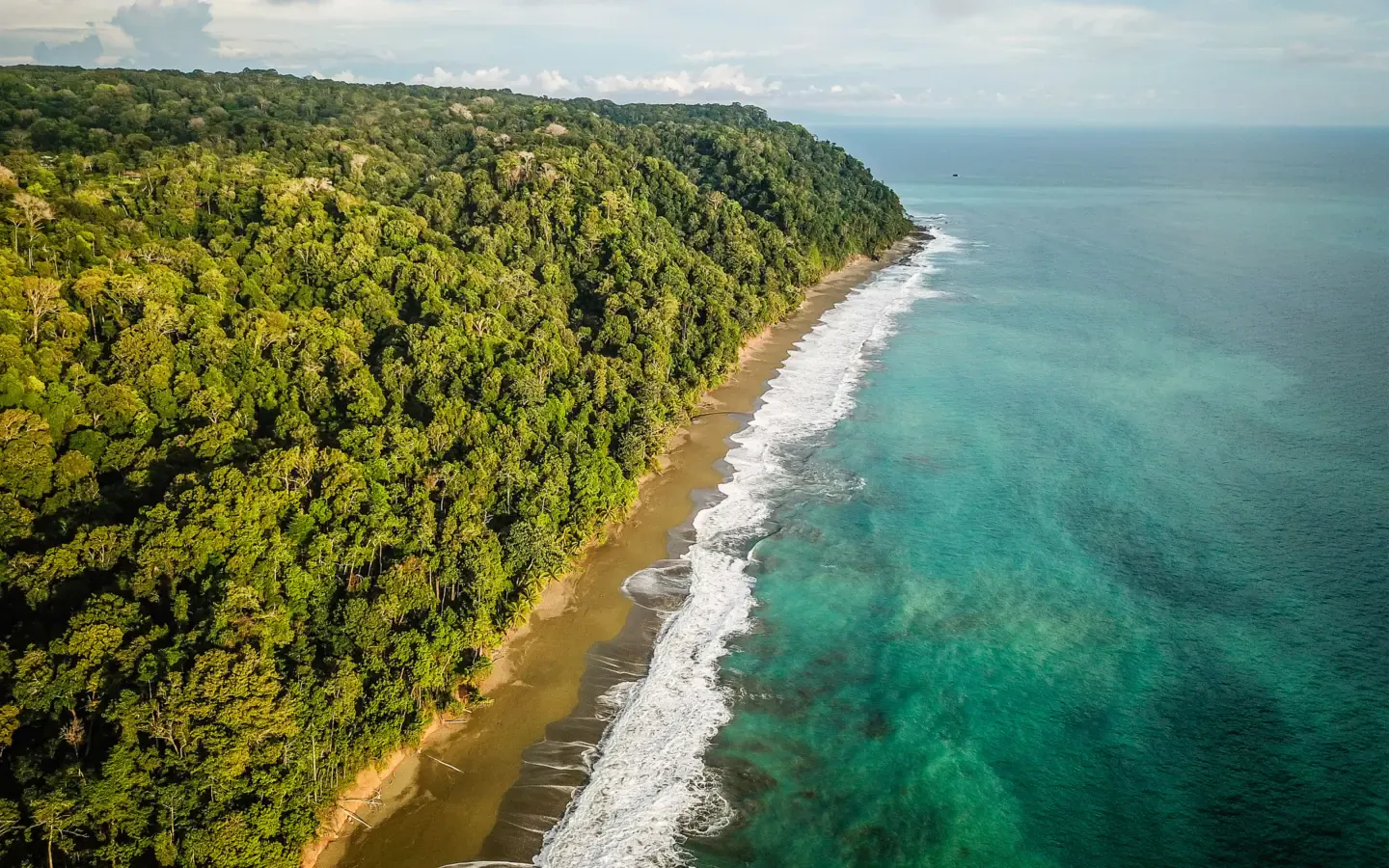
Beyond Matapalo, the road continues to Carate, the end of the line on the Pacific side and the trailhead for Corcovado’s La Leona sector. SINAC’s Sirena station page says Carate is reached by 4×4, by the shared colectivo truck-taxi or by small plane from Puerto Jiménez, and that the La Leona ranger station is a further 3.5 km walk along the beach. La Leona Eco Lodge, run by a local family, is on that beach. Its access is not the same as Lapa Ríos’s, even though both are “on the Osa.” The same SINAC page notes that flights to Sirena are currently suspended, so the park’s central station is reached on foot or by boat from Drake, Puerto Jiménez or Sierpe. For the park itself, see our Corcovado and Osa guide.
Many visitors underestimate how long it takes to leave the peninsula. Don’t plan a morning wildlife tour and a drive to Manuel Antonio on the same day. Make transfer days simple.
Golfo Dulce: lodges with no road
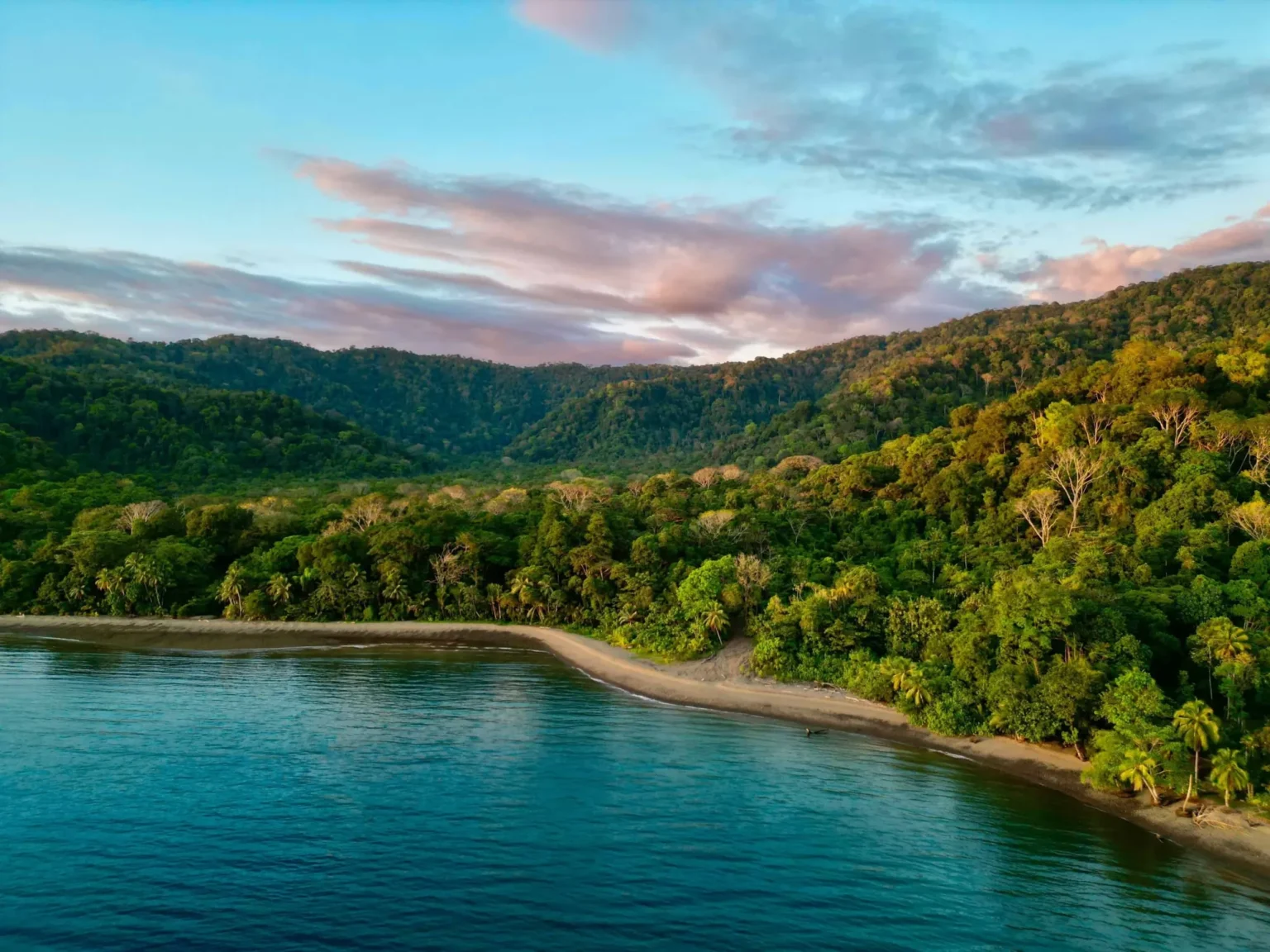
Across the gulf, several lodges can only be reached by water. Playa Cativo Lodge sits within a 1,000-acre private reserve beside Piedras Blancas National Park and is, in its own words, only accessible by boat, a 30-minute ride, with airport pickups in Golfito or Puerto Jiménez on its full plan. Playa Nicuesa Rainforest Lodge is also boat-only. Its website describes a short flight to Golfito or Puerto Jiménez, a boat ride of about 30 minutes and a recommended last pickup at 3 p.m., and it sets a minimum guest age of six.
Don’t assume a boat will run after dark. If your flight or drive arrives late, ask whether it’s wiser to spend a night in Golfito. Travelers with limited mobility should ask about boarding height, dock surfaces and help with luggage.
Pacuare River: arrive by raft
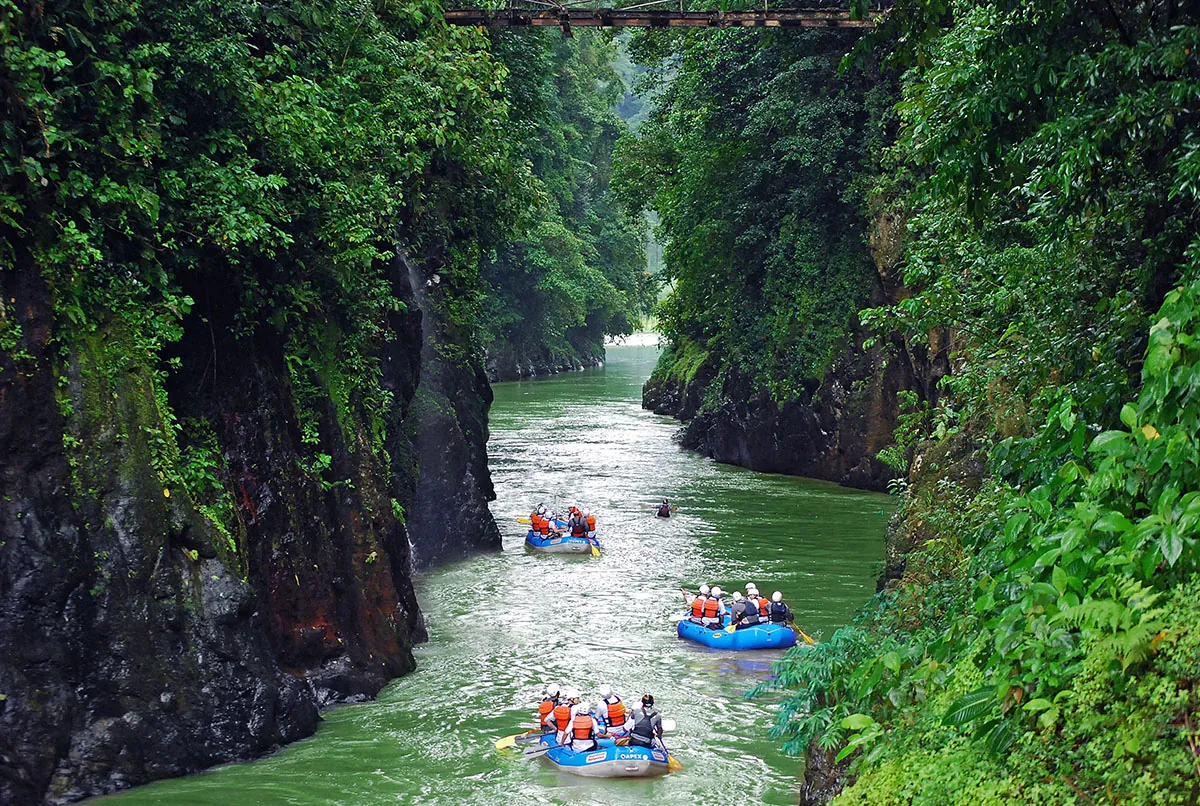
Pacuare Lodge is a rare case where the journey is part of the stay. Its arrival page is blunt: there are no roads to the lodge, and it can’t be reached directly by car or public transport. Guests meet the team at the company’s warehouse in Siquirres, then either raft in, which takes an hour or two depending on the river, or take a 4×4 along a gravel road followed by a gondola across the river. Minimum ages apply to rafting (the page gives 9 for rafting in and 12 for rafting out, and children from 7 to 11 travel by land), and the 4×4 route is used when river levels are unsafe. The Pacuare lodge page on our site has more on the setting. Families and anyone who’d rather not raft should ask for the land route when booking.
Southern Nicoya: ferry or small plane
Montezuma, Santa Teresa and Malpaís sit at the tip of the Nicoya Peninsula. From San José, many travelers drive to Puntarenas and take the car ferry to Paquera. Naviera Tambor lists eight departures a day in each direction, from 4 a.m. to 10 p.m., on the schedule in force since April 20, 2026, and warns that only a limited number of places are sold online, with the rest sold at its ticket offices. Arrive early on weekends and holidays. Sansa’s Cobano airstrip is the faster option.
Anamaya sits in the hills above Montezuma, about 25 minutes from Santa Teresa and Malpaís, and Luz en el Cielo is also near Montezuma. Peninsula roads include steep and unpaved sections, so plan to arrive in daylight and ask your lodge how steep its final access road is.
Mainland lodges: the last kilometer
Not every remote lodge needs a boat. Maquenque Eco Lodge in Boca Tapada, in the northern lowlands, is reached by rural roads, and Monteverde Lodge & Gardens sits up a mountain road. A lodge can be close to the highway in a straight line and still need a steep gravel driveway or a seasonal river crossing. Ask whether a standard rental car is fine in your travel month, and don’t drive an unfamiliar rural road after dark just because the map app shows a short distance.
What to send the lodge before you arrive
| Destination | Ask the lodge | Lodge examples |
|---|---|---|
| Tortuguero | Which dock, what time and is the boat in the package? | Pachira Lodge, Turtle Beach Lodge |
| Drake Bay | Airstrip or Sierpe boat, and is the transfer included? | Aguila de Osa Inn, La Paloma Lodge |
| Cabo Matapalo and Carate | Who meets me in Puerto Jiménez, and is a 4×4 needed? | Lapa Ríos, Bosque del Cabo, La Leona |
| Golfo Dulce | Where is the boat, and what is the last pickup time? | Playa Cativo, Playa Nicuesa |
| Pacuare River | Raft or 4×4, and where do I meet the team? | Pacuare Lodge |
| Montezuma hills | Ferry or flight, and how steep is the access road? | Anamaya, Luz en el Cielo |
Send your arrival date, flight number, number of guests and bags, children’s ages and any mobility needs. Give a precise pickup address, not just “San José.” Ask how to reach the lodge if you’re out of phone signal, because some remote areas have little reception. Domestic flight schedules, ferry timetables and boat times change, so reconfirm them a few days before you travel.
What’s the most sustainable way in?
There’s no single answer. Shared transfers usually beat private cars, but a long detour can cancel the gain. Short flights add emissions but can replace a full day of driving. The surest win is fewer legs: three or four nights in one remote lodge is usually more rewarding, and lighter on the planet, than two one-night stops with extra transfers. Our 7, 10 and 14-day itineraries are built that way, and our eco-lodge cost guide shows how transfers fit the budget.
Frequently asked questions
Can I drive to Tortuguero?
No. You can drive or take a bus to a mainland dock, but the last leg into Tortuguero is always by boat, or you can fly in on a small plane.
Do I need a 4x4 for Costa Rica's eco-lodges?
For most mainland lodges, no. For a few remote areas, yes: the road to Drake Bay has river crossings, and Carate is reached by 4x4 or shared truck-taxi. Ask each lodge about road conditions in your travel month and check your rental agreement.
Should I book transfers through my lodge?
For boat-access and remote lodges, usually yes. Staff know the docks, tides and airstrips, and several lodges include the final transfer in their rates or packages. Compare what's included before you decide.
How much buffer should I leave before an international flight?
Avoid a remote boat or long rural road transfer on the same day as a fixed international flight. Spending your last night near the airport is the safest plan.
How much luggage can I take on a domestic flight?
Less than you're used to. Allowances depend on the fare, carry-ons over 6.8 kg must be checked on Sansa, and extra bags may follow on a later flight. A soft duffel and a stored suitcase in San José work well.
Can I fly to Corcovado's Sirena station?
Not at present. SINAC says air access to Sirena is temporarily suspended, so visitors arrive by boat from Drake Bay, Puerto Jiménez or Sierpe, or on foot from La Leona or Los Patos with a guide.