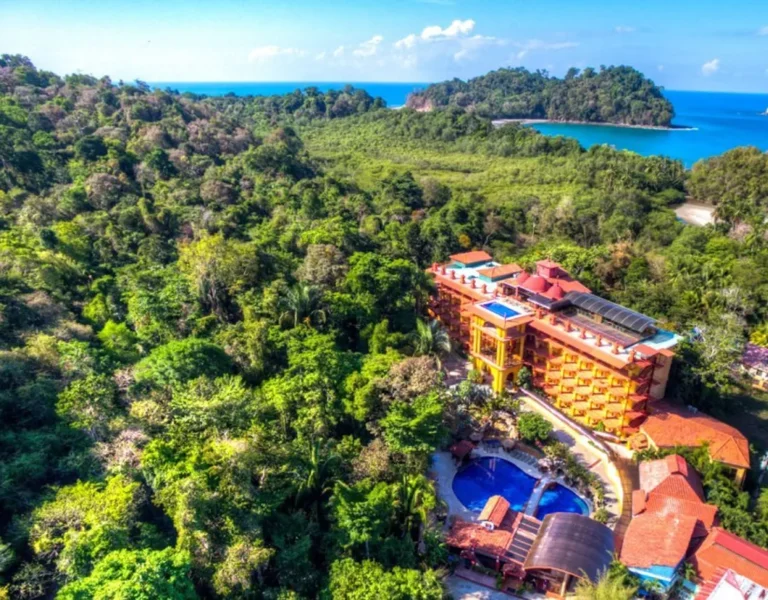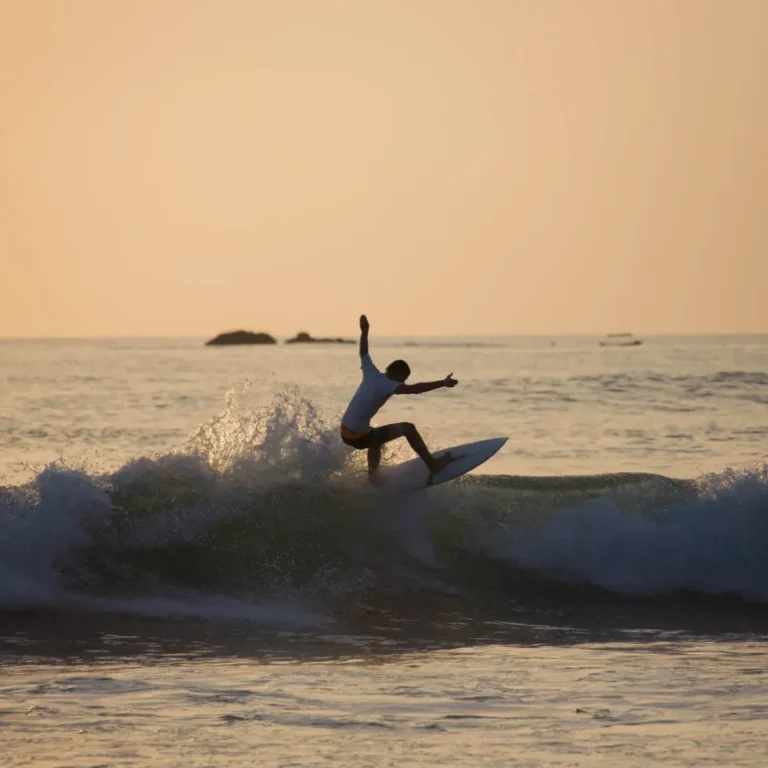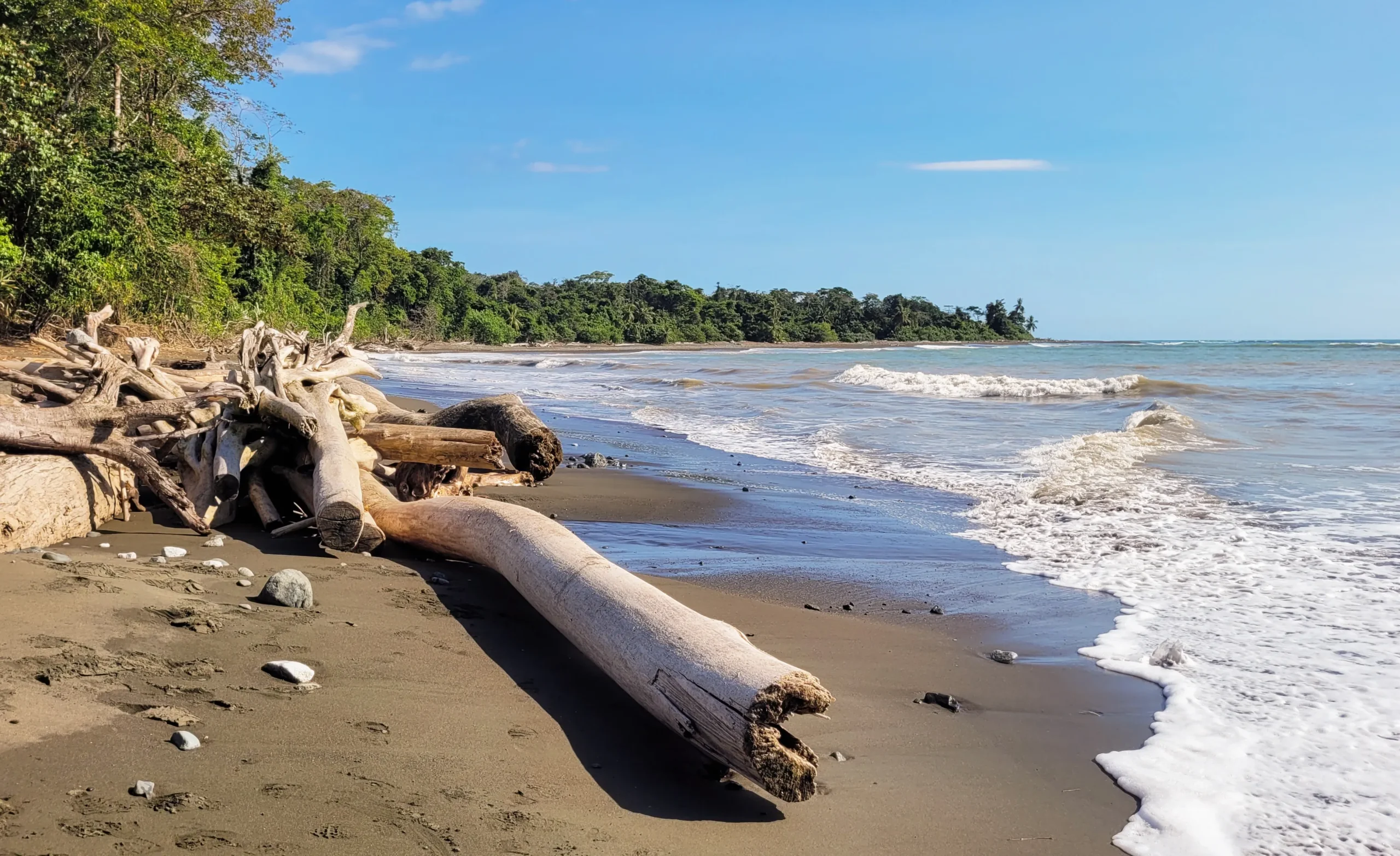
On Costa Rica’s Osa Peninsula, rainforest seems to lean into the Pacific. Large trees line dark-sand beaches, rivers cross remote trails and the calls of scarlet macaws cut through the afternoon air. The region feels different from the country’s busier destinations, not because it lacks tourism, but because access, weather and the sheer scale of the forest still set the terms of a visit.
Corcovado National Park is the peninsula’s most famous protected area, but the full Osa experience also takes in Drake Bay, Puerto Jiménez, Cabo Matapalo, Golfo Dulce and many private reserves. This guide covers how Corcovado’s visitor sectors work, the current rules, the main gateways and which of the lodges we review make sense as a base. For the wider picture, see our guide to Costa Rica’s national parks.
Why the Osa Peninsula is special
The national park service, SINAC, describes Corcovado as holding about 2.5% of the world’s biodiversity. The park was created in 1975 and covers roughly 42,500 hectares of land plus a marine strip along the coast. Its highest point is only 782 meters, so almost all of it is hot, wet lowland: SINAC gives average annual rainfall of about 5,500 millimeters in the hills and 3,500 on the coast.
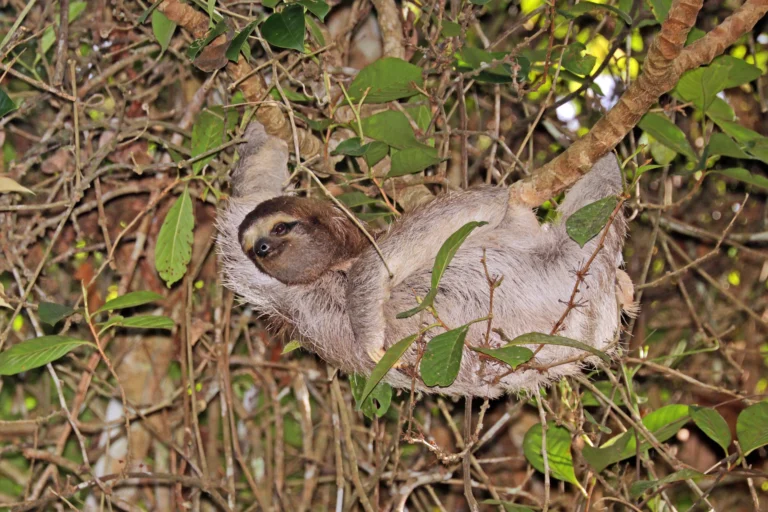
Habitats run from beaches and mangroves to freshwater swamps and tall primary forest. Neighboring Piedras Blancas National Park, which SINAC notes was once part of Corcovado, lists all four of Costa Rica’s monkey species (squirrel, white-faced capuchin, spider and mantled howler) along with ocelots and jaguars. Tapirs, peccaries and a long bird list complete the picture. Jaguars and pumas live here, but no honest guide will promise you one.
What sets the Osa apart is continuity: wildlife can still move between the park, forest reserves and private land. Osa Conservation runs camera-trap networks with many partners, and its own figures for southern Costa Rica include more than 530,000 trees planted and more than 145,000 sea turtle hatchlings released.
Corcovado rules: what you must know before you book
Corcovado is not a park where you turn up at a trailhead and start walking. According to SINAC’s Corcovado page and its sector pages:
- Reservations are mandatory for every visit, through the ACOSA reservations office. The Sirena sector page says bookings open up to six months ahead, are personal and not transferable, and you must show your passport.
- A registered local guide is required. The sector pages state that visitors must enter with a local guide registered with ACOSA’s sustainable tourism office, or entry will be refused. The La Leona to Sirena and Los Patos to Sirena routes are named specifically as guided routes.
- El Tigre is booked separately, through the Dos Brazos de Río Tigre community association.
- No swimming at park beaches, lagoons or rivers, because of strong currents.
- No single-use plastic, no picnicking and no food carried into Sirena. Meals there are available only by prior reservation.
- No night walks, no leaving the trails, no feeding or touching wildlife and no alcohol.
Admission is charged per person and set by SINAC, so check the official page rather than an old blog. In practice, book your guide and sector together, early, and let the guide handle the reservation.
Corcovado’s six visitor sectors
The six sectors are not interchangeable entrances. Each has its own access, trails and level of effort.
| Sector | Usual gateway | How you get there | What to expect |
|---|---|---|---|
| Sirena | Drake Bay, Puerto Jiménez, Sierpe or Carate | Boat from the coast, or on foot from La Leona (16.5 km, about 6 to 7 hours) or Los Patos (23 km, about 8 to 9 hours) | Central ranger station with eight trails totaling about 20 km; lodging and meals only by reservation |
| San Pedrillo | Drake Bay | Boat of about 30 to 45 minutes, or a beach walk of about 10 km passable only at low tide | Waterfall trail, Río Pargo trails and the 7 km Llorona trail; picnic area |
| La Leona | Carate | 4×4, shared taxi or small plane to Carate, then a 3.5 km beach walk | Start of the coastal route to Sirena; hatchlings sometimes seen in turtle season |
| Los Patos | Guadalupe, inland | 4×4 in the dry season (tractor in the wet season) | Waterfall trail; the route toward Sirena crosses the Río Rincón many times |
| Los Planes | Los Planes community, Drake side | By land to the ranger station | A single flat 4.2 km trail suited to most visitors and good for birds |
| El Tigre | Dos Brazos de Río Tigre | By road from Puerto Jiménez | A demanding 7 km walk with viewpoints from some of the park’s highest ground |
Sources: SINAC pages for Sirena, San Pedrillo, La Leona and the park overview. SINAC notes that flights into Sirena are currently suspended.
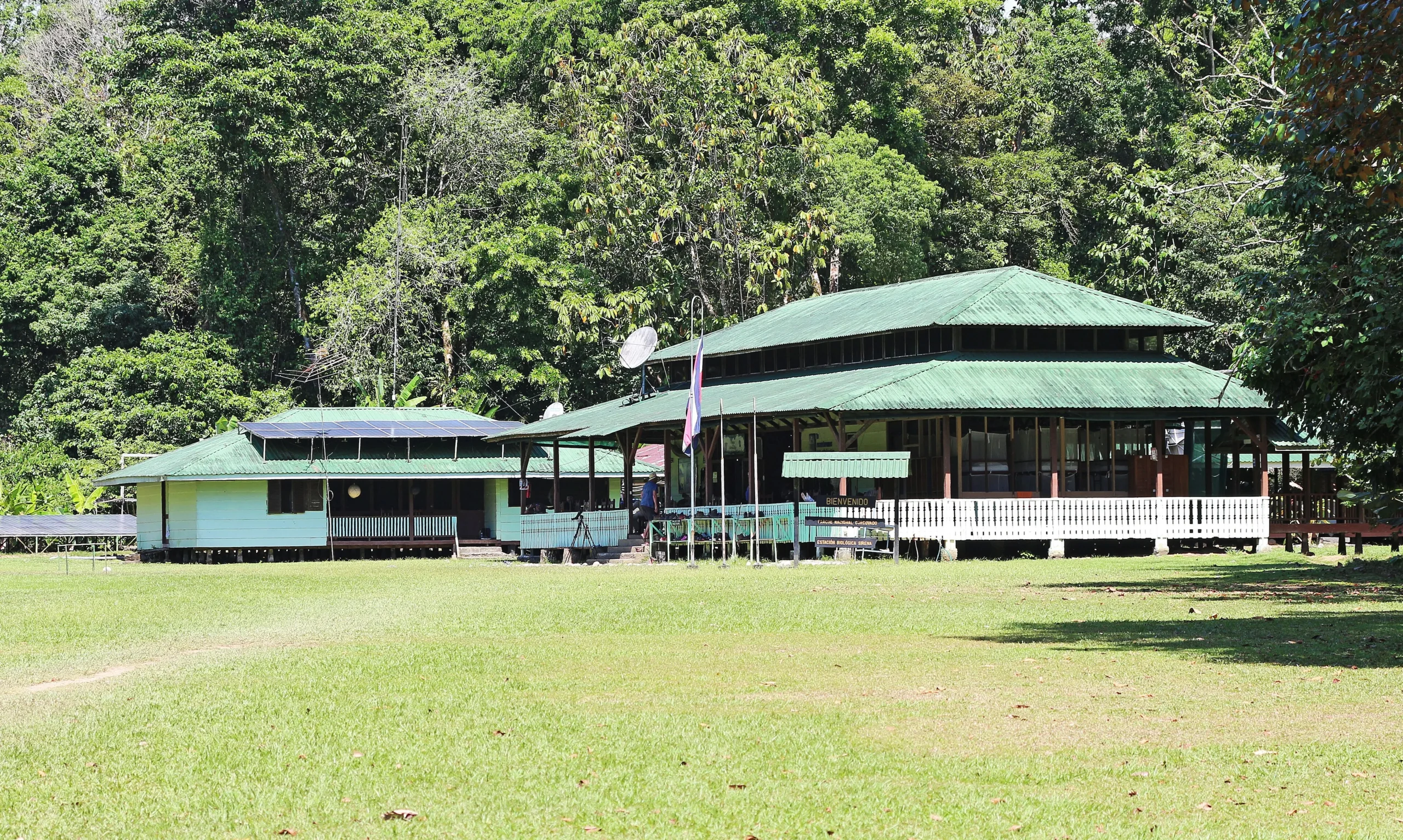
Sirena is the central station most people picture. Its trails cross primary and regenerating forest to the Río Claro and the mouth of the Río Sirena, where SINAC notes that bull sharks and crocodiles can be seen at high tide. On one trail, Los Espaveles, researchers counted more than 140 tree species in 100 square meters. Overnight lodging and meals are run under permit by a local development association and booked separately from park entry. Tapirs are often seen with a guide here, but no animal is guaranteed.
San Pedrillo is the easy boat trip from Drake Bay, with a short waterfall walk and the longer Llorona trail. It suits travelers who want a full Corcovado day without the long transfer, and it is not a lesser version of Sirena. The other four sectors serve hikers coming from the Puerto Jiménez side or inland. SINAC advises allowing three days for the full Los Patos to Sirena to La Leona crossing.
Drake Bay: the rainforest-and-ocean gateway
Drake Bay, on the peninsula’s northwest side, combines boat access to San Pedrillo and Sirena with marine trips and a quiet village. Many lodges are reached by boat from Sierpe with a beach landing, so pack light.
Drake Bay is also the usual departure point for Caño Island Biological Reserve, which SINAC describes as lying 16 km offshore, with 320 hectares of land and 5,800 hectares of sea holding some of the best-preserved coral reefs on Costa Rica’s Pacific coast. Reservations open only eight days ahead, a registered guide is required, and SINAC’s page currently says landing on the island is not permitted: only the marine area is open for snorkeling and diving. Our marine life guide covers reefs and whales.
Lodges we review on the Drake side:
- Corcovado Wilderness Lodge (formerly Casa Corcovado Jungle Lodge) sits on a 170-acre hilltop reserve on the edge of the national park, above a palm-lined beach.
- Aguila de Osa Inn is a bluff-top inn on Drake Bay with hillside suites, a restaurant facing the bay and a short boat ride to Caño Island.
- La Paloma Lodge sits on 24 acres atop a bluff overlooking the ocean and Caño Island, with guided nature trails.
Puerto Jiménez, Carate and Cabo Matapalo
Puerto Jiménez is the main town on the Golfo Dulce side and the jumping-off point for Carate (La Leona), Dos Brazos (El Tigre) and Cabo Matapalo at the peninsula’s tip. Roads beyond town can be rough, and river crossings rise after heavy rain, so ask each lodge for current directions before relying on a standard rental car.
- Bosque del Rio Tigre, outside Dos Brazos, is a 31-acre private reserve known for birding, with room for about ten guests. It is well placed for El Tigre.
- Lapa Rios Ecolodge at Cabo Matapalo protects a 1,000-acre rainforest reserve, according to its website, and is built around the idea that “a forest left standing is worth more than one cut down.”
- Bosque del Cabo sits on the Matapalo cliffs with a reserve of more than 750 acres, a 300-foot suspension bridge over a forested gorge and trails to beaches on both the gulf and the Pacific, per the lodge’s website.
- El Remanso Lodge is a 185-acre private reserve above an isolated Pacific beach, with trails to waterfalls and tide pools, operating since 1999.
- Luna Lodge covers about 150 acres in the hills above Playa Carate, with garden-grown food and deliberately limited connectivity.
- La Leona Eco Lodge, owned by the local Morales Polanco family, sits on 36.5 hectares beside the park near the La Leona entrance and offers guided tours, kayaking and turtle watching tours.
Browse all of these on our Osa Peninsula eco-lodges page.
Golfo Dulce and Piedras Blancas
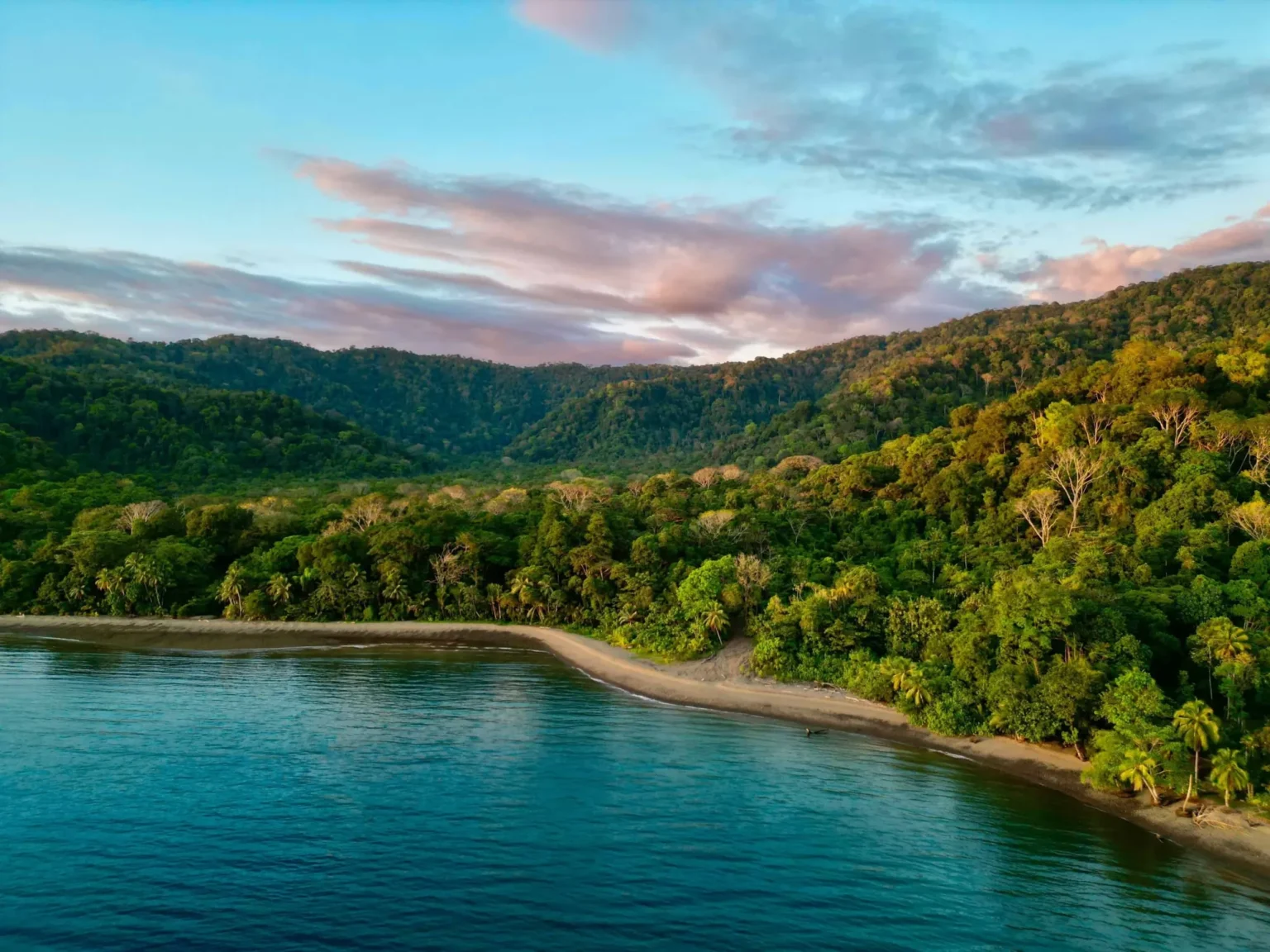
Golfo Dulce, between the Osa and the mainland, is calm and deep compared with the open Pacific. A 2023 study in the University of Costa Rica’s Revista de Biología Tropical photo-identified 280 pantropical spotted dolphins in the gulf, estimated the population at roughly 190 to 370 animals depending on season and noted that bottlenose dolphins share the same waters. The authors flagged growing human pressure in the gulf, which is why a responsible boat tour watches dolphins without chasing them.
On the mainland shore, Piedras Blancas National Park protects about 15,000 hectares of very wet lowland forest, with trails such as El Tajo, the Ocelote trail near La Gamba and La Ceiba, named for a tree so large that it takes about 40 people to circle it. Its dry season lasts only from March to April. Several gulf lodges are reached only by boat:
- Playa Cativo Lodge is boat-access only, on about 400 hectares of private rainforest bordering Piedras Blancas.
- Playa Nicuesa Rainforest Lodge is boat-access only, built from naturally fallen trees and powered by solar energy.
- Saladero Lodge is a 480-acre boat-access farm between Piedras Blancas and the gulf, with snorkeling, kayaking and fruit gardens.
Wildlife: what you might realistically see
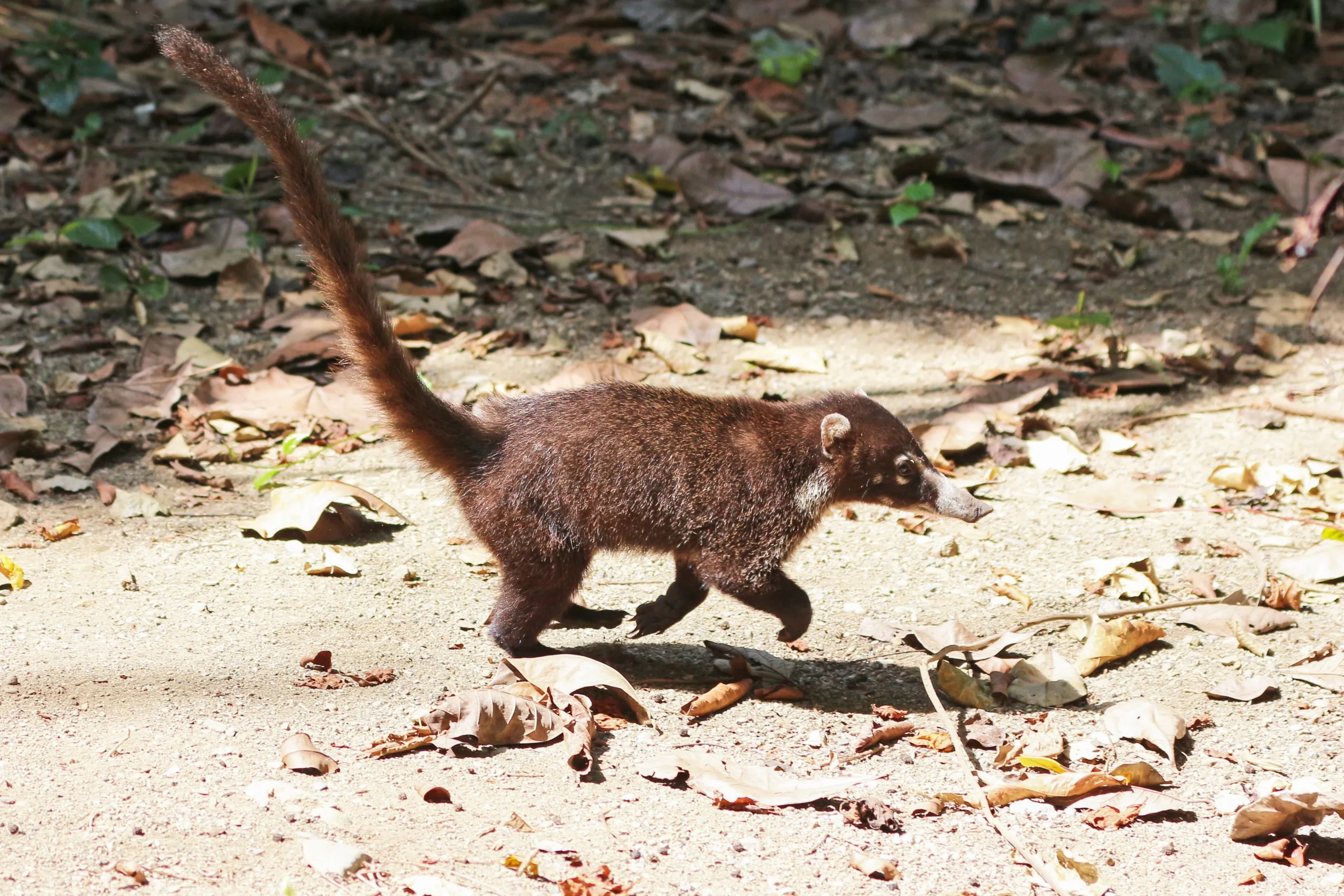
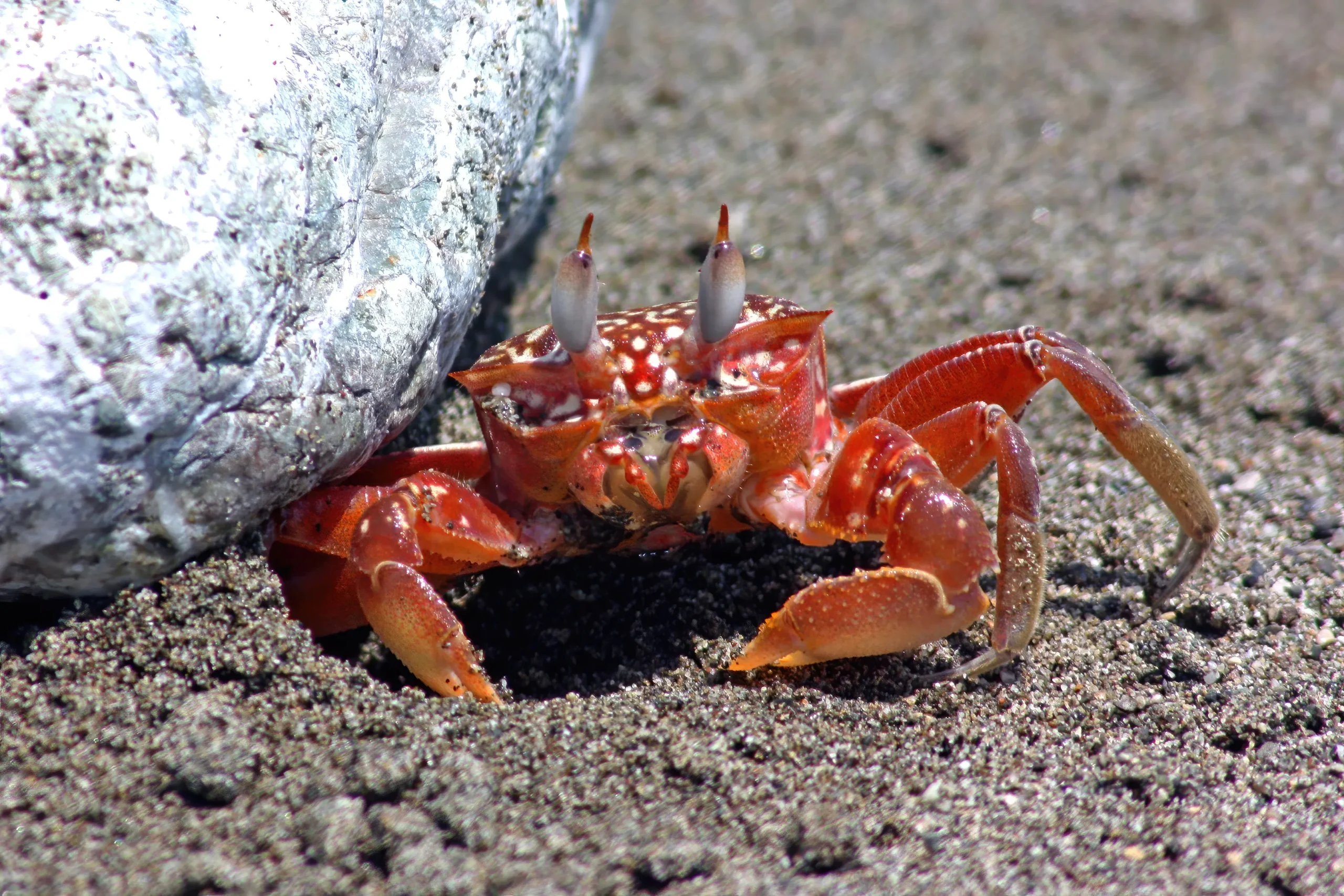
The Osa is outstanding for monkeys, with all four species present. Scarlet macaws are a highlight along the coast, and toucans, trogons and raptors add to a long bird list. Coatis, agoutis, peccaries, caimans and many frogs turn up on trails. If a tapir appears, keep your distance and never block its path.
| Animal | Where on the Osa | Notes |
|---|---|---|
| Squirrel monkey | Forest edges around Puerto Jiménez, Carate, Matapalo and Piedras Blancas | SINAC lists it for Piedras Blancas |
| Scarlet macaw | Coastal forest from Carate to Matapalo and Drake | Often heard before seen |
| Baird’s tapir | Sirena and the park interior | Best seen with a guide; never approach |
| Spotted and bottlenose dolphins | Golfo Dulce | Watch from a distance, no chasing |
| Bull shark and crocodile | Mouth of the Río Sirena at high tide | Noted by SINAC; swimming is prohibited |
| Jaguar and puma | Park interior | Present but rarely seen by visitors |
For identification help, see our guides to mammals and birds.
Choosing a conservation lodge
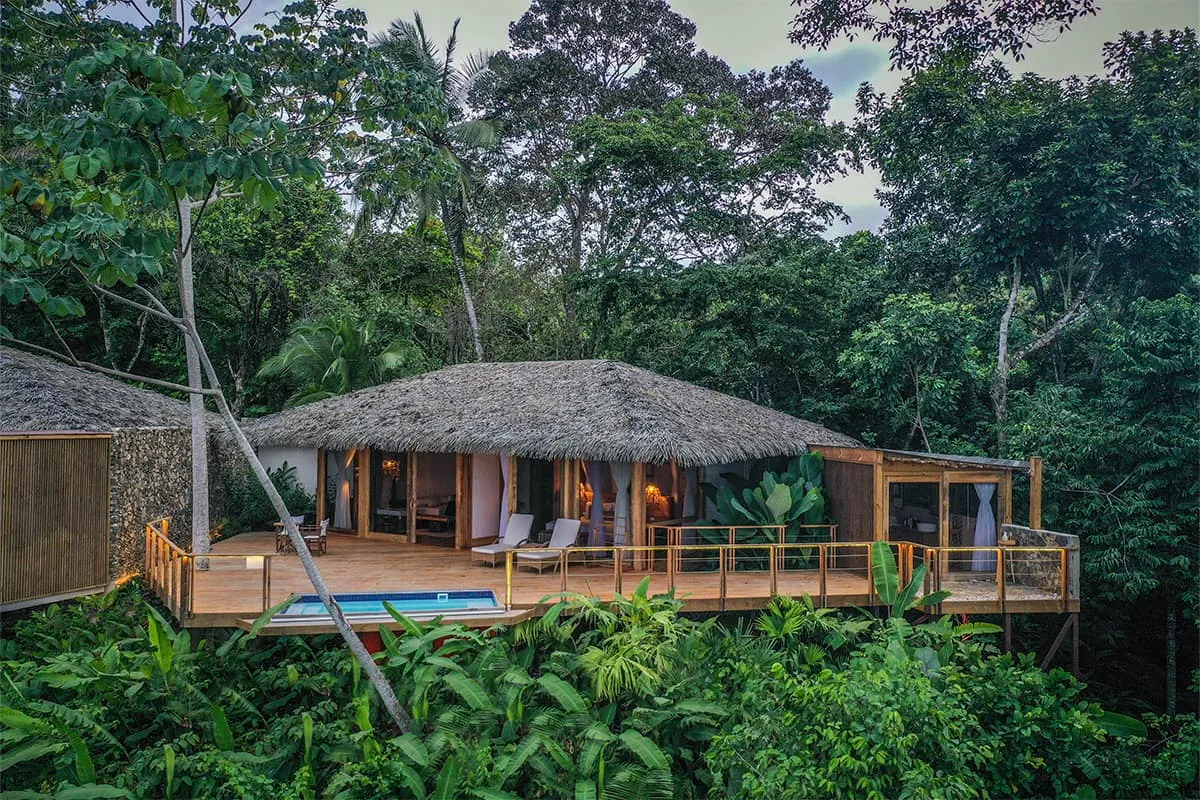
Staying outside Corcovado can still mean extraordinary rainforest; some of the best wildlife moments happen on a lodge trail at dawn. Ask what land the lodge actually protects and what guests can visit. Our private reserves guide explains how private land fits Costa Rica’s conservation system. Costa Rica’s CST program now certifies at Basic and Elite levels; use it as one input alongside questions about wastewater, energy, local hiring and guiding.
How many nights, and when to go
Three nights is a sensible minimum; four to six are better. A five-night stay can include a full Corcovado day, an easier morning on private trails, a marine outing and a buffer day for weather. Do not try to link Drake Bay, Puerto Jiménez, Matapalo and Golfo Dulce in one rushed circuit; short distances on the map hide slow roads and boat legs.
SINAC gives the dry season as roughly mid-December to mid-April and the wettest months as September and October. Rain can fall at any time, rivers rise quickly and rough seas can cancel boat departures. Bring light rain gear, closed shoes with grip, a dry bag, refillable bottles (single-use plastic is banned in the park), insect protection and quick-drying clothes.
Let the Osa set your pace
The Osa can feel like the Costa Rica people imagined before they arrived: rainforest, ocean and abundant wildlife with little separation between travelers and the natural world. Choose a good base, book a registered guide early and let the forest reveal itself gradually. For a completely different side of the country, continue with our Monteverde cloud forest guide.
Frequently asked questions
Do I need a guide to enter Corcovado?
Yes. SINAC's sector pages state that visitors must enter with a local guide registered with the ACOSA sustainable tourism office, and that entry is refused otherwise. Guides usually handle the reservation too.
How far ahead should I book Corcovado?
Reservations open up to six months ahead. Sirena overnights and cross-park routes fill first, so book as soon as your dates are fixed, especially for the December to April dry season.
Can I visit Caño Island and walk on it?
SINAC's page currently says only the marine area is open, for snorkeling and diving with a registered guide. Reservations open just eight days ahead, so book through your lodge or a licensed operator.
Can I swim on Corcovado's beaches?
No. Swimming is prohibited at the park's beaches, lagoons and rivers because of strong currents, and SINAC notes crocodiles and bull sharks near the Río Sirena mouth.
Is the Osa suitable for families?
Yes, with the right base. Los Planes has a flat 4.2 km trail suitable for most visitors, San Pedrillo is a short boat ride from Drake Bay, and many lodges have gentle private trails. Long cross-park hikes are not suitable for young children.