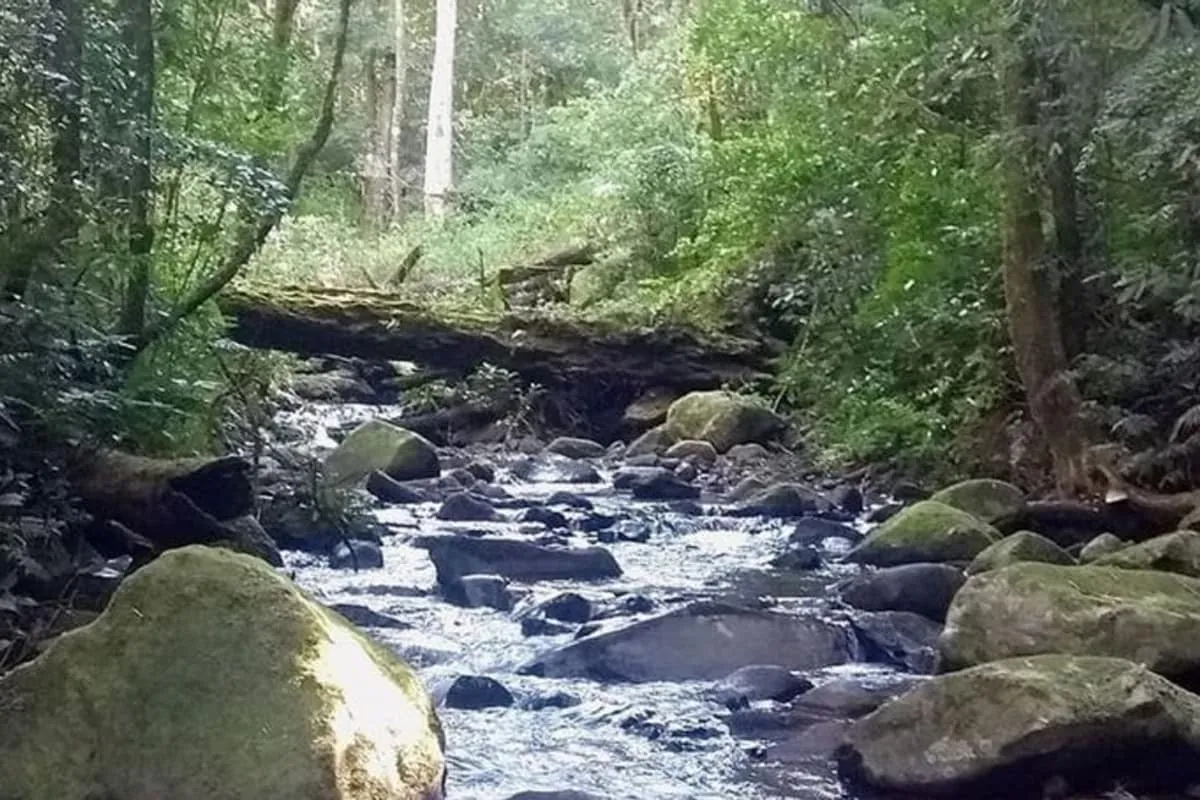
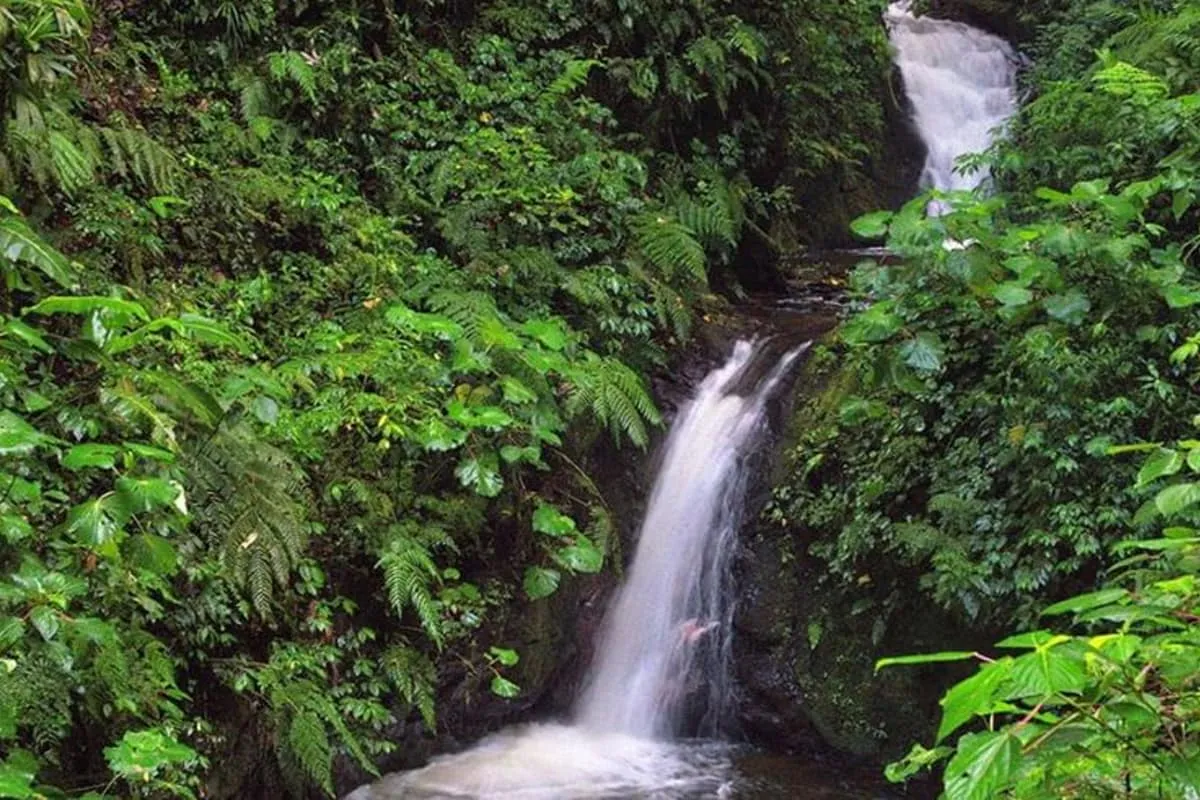
Monteverde is one of those places where the weather is part of the attraction. Wisps of cloud move through branches, moss softens the trunks of enormous trees and drops of water hang from epiphytes long after the rain has stopped. The forest feels cooler, quieter and more mysterious than the lowland rainforest many travelers associate with Costa Rica.
The area is famous for quetzals, orchids and hanging bridges, but its deeper appeal lies in a long conservation history and several reserves that offer distinct ways to experience the mountains. This guide explains how the main reserves differ, what the current visiting rules are, which birds and animals you can realistically hope for and which lodges we review make good bases. For how cloud forest fits among Costa Rica’s other habitats, see our ecosystems guide.
What and where is Monteverde?
Monteverde sits high in the Cordillera de Tilarán, with the town of Santa Elena as its main service center. The name is used loosely for several communities, reserves and lodging areas strung along ridges and slopes, so the exact location of your lodge matters. A room advertised as “Monteverde” may be in a quiet forest setting, along a road outside town or close to the busiest attractions.
Altitude and moisture explain the landscape. The Monteverde Cloud Forest Preserve notes that cloud forests form roughly between 1,200 and 2,500 meters, where warm, moist air meets cooler mountain temperatures, and that tropical cloud forests cover only about 0.26% of Earth’s land surface. The preserve straddles the Continental Divide, so Caribbean moisture and Pacific winds meet here. Mist, sometimes called horizontal rain, supplies up to 40% of the water the forest captures, even on days without rainfall. Expect variable conditions and cool evenings compared with the coast.
Monteverde pairs naturally with the warmer volcanic landscapes of Arenal, covered in our Arenal and Río Celeste guide. The road between the two takes longer than the map suggests, so do not plan full days of activities at both ends of a transfer.
The main reserves compared
Monteverde’s protected forest is a patchwork of reserves with different owners, rules and personalities. Choosing one or two that complement each other is a better plan than booking several near-identical walks.
| Reserve | Managed by | Size | What stands out | How to visit |
|---|---|---|---|---|
| Monteverde Cloud Forest Preserve | Tropical Science Center (private, nonprofit) | Over 4,100 ha | Classic dripping cloud forest on the Continental Divide; three marked trails | Timed entry slots; check in at the visitor center 1.5 km below the forest and ride the shuttle |
| Santa Elena Cloud Forest Reserve | Administrative board of the Colegio Técnico Profesional de Santa Elena, under a MINAE permit | 310 ha | Community-run; about 12 km of trails, an observation tower and a trail built to accessibility standards | Self-guided or guided walks; guided walks should be booked at least a day ahead |
| Children’s Eternal Rainforest (Bosque Eterno de los Niños) | Monteverde Conservation League | About 22,600 ha | Costa Rica’s largest private reserve, funded in part by children worldwide | Day trails at Bajo del Tigre; rustic field stations at San Gerardo and Pocosol |
| Curi-Cancha and other private reserves | Private owners | Varies | Mixed forest, edges and clearings favored by many birders | Each sets its own hours and limits; contact directly |
Sources: Monteverde Cloud Forest Preserve visitor page, Santa Elena Reserve organization page, Monteverde Conservation League history.
Monteverde Cloud Forest Preserve
The preserve is the area’s signature protected forest, run by the Tropical Science Center with conservation and research goals. Its visitor page describes a system that older guidebooks will not mention:
- All activities start and end at the visitor center, about 1.5 km below the preserve entrance. You park there and take a complimentary shuttle to the trailhead.
- Entry is by time slot. Visitor numbers per slot are limited, the shuttle leaves exactly at the booked time, and late arrivals may not be accommodated. Arrive 15 minutes early.
- Three self-guided trails: Essence (1.4 km, easy), Heart of the Forest (2.8 km, easy to moderate) and Continental Divide (4.1 km, moderate), with signs in English and Spanish.
- Guided natural history walks and night walks run in small groups of up to ten, about two and a half hours each.
- Cancellations at least 48 hours ahead are refunded in full, and weather or safety cancellations are rescheduled or refunded.
The preserve also reports notable 2026 milestones on its sustainability page: listing on the IUCN Green List as the first protected area in Costa Rica to earn it, and the Elite level of Costa Rica’s CST sustainable tourism certification. These recognitions apply to the preserve itself, not to every Monteverde business. Our CST certification explainer covers how the program works today.
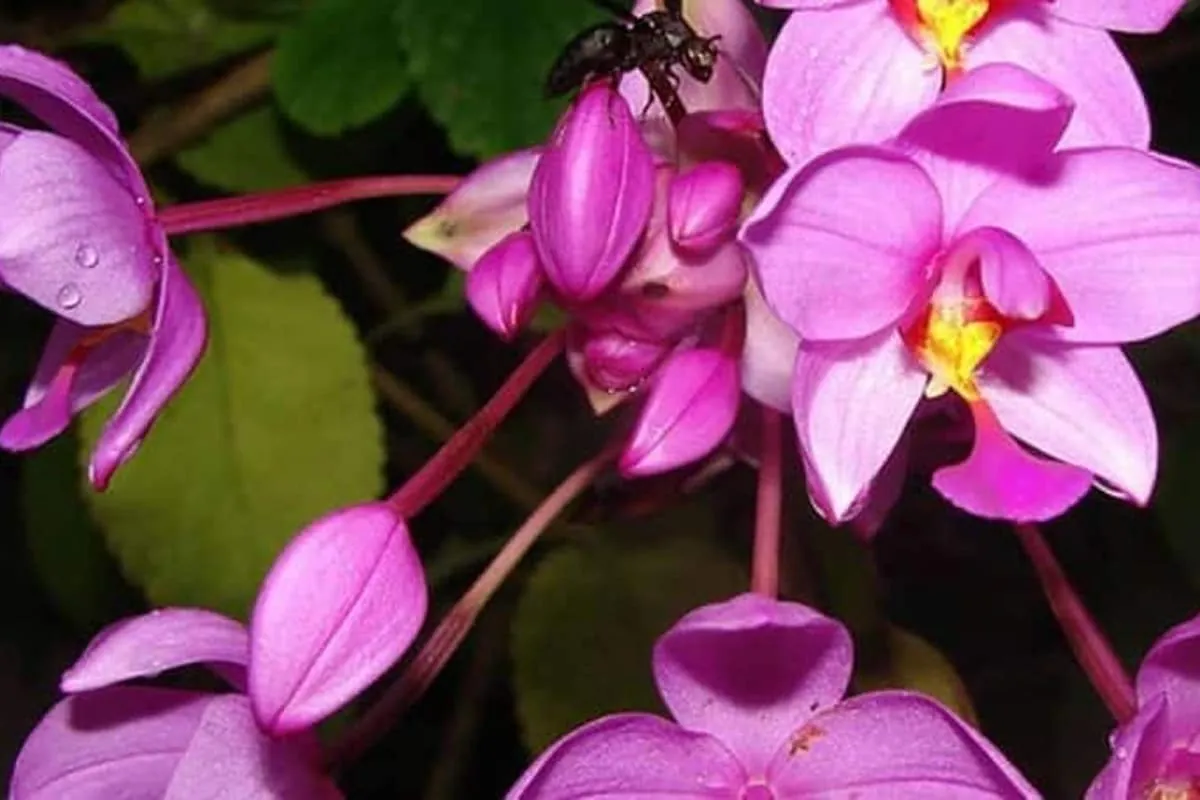
For many travelers this is the best place to feel the full character of cloud forest: damp air, dense epiphytes and shifting visibility. The preserve’s flora page counts more than 3,000 vascular plant species in Monteverde, including more than 750 tree species, and says the canopy holds over 800 species of epiphytes. A guide helps you see what you would otherwise walk past.
Santa Elena Cloud Forest Reserve
Santa Elena is a different kind of place, and that is its appeal. According to the reserve’s own history, its 310 hectares have been managed since 1991 by the administrative board of the public technical high school in Santa Elena, with income supporting the reserve, local schools and community projects. It opened to the public on 1 March 1992 and was one of the first reserves in the country run by a public school board.
The reserve sits on the Caribbean side of the divide at an average of about 1,600 meters, with roughly 4,000 millimeters of rain a year, an average temperature near 18°C and humidity close to 100%. Its trail network totals about 12 km, from a demanding natural trail to one built under Costa Rica’s accessibility law, plus a tower with views from one of Monteverde’s highest points. The reserve’s guided walks page lists small-group natural history walks of up to ten people at set morning and early afternoon times, with private and bird-focused options, and asks for bookings at least a day in advance. Like any honest operator, it says it cannot guarantee wildlife sightings.
The Children’s Eternal Rainforest
The Monteverde Conservation League, founded in 1986, manages the Children’s Eternal Rainforest, which it describes as Costa Rica’s largest private reserve at about 22,600 hectares. The reserve began in 1987, when Swedish schoolchildren, inspired by a talk from biologist Sharon Kinsman, raised money to buy six hectares of rainforest. Children around the world followed. Its name also honors the “Bosqueterno” forest protected by Monteverde’s Quaker settlers since 1951.
Visitors can walk the trails at Bajo del Tigre near Monteverde, or stay at the more remote San Gerardo and Pocosol field stations inside the reserve. It is a good choice for travelers who want to see the conservation story behind the region, not only its most visited trails.
Birds of Monteverde
Monteverde’s bird life is the main draw for many visitors. The preserve’s wildlife page notes that because it lies on the Continental Divide, Pacific and Caribbean species meet here, forming one of the richest bird communities in the Americas. Santa Elena alone reports more than 200 bird species.
| Bird | Where to look | Conservation status and notes |
|---|---|---|
| Resplendent quetzal | Old-growth forest and fruiting trees in the preserve, Santa Elena and quieter private reserves | Listed as Near Threatened; nests in old-growth trees; sightings never guaranteed |
| Three-wattled bellbird | Canopy; often heard from far away | Listed as Vulnerable; its metallic call carries over long distances |
| Emerald toucanet | Forest edges and fruiting trees | Important seed disperser |
| Violet sabrewing | Flowering plants, forest edges | The largest hummingbird in the region |
| Black guan | Preserve trails | Once hunted, now recovering under protection |
| Slaty-backed nightingale-thrush | Understory | Usually heard before it is seen |
Statuses as listed by the Monteverde Cloud Forest Preserve.
Birding is best early in the day. Bring binoculars and allow time for listening rather than hurrying between viewpoints. The Cornell Lab’s eBird Explore tool shows recent sightings, which help with planning but never guarantee a bird on a given morning. For more species and destinations, see our birds of Costa Rica guide.
Mammals, amphibians and night walks
Monteverde has mammals, but you should not expect the sighting rates of Corcovado or Manuel Antonio. The preserve lists Baird’s tapir, jaguar, ocelot, white-faced capuchins, two-toed sloths and more than 30 bat species, most of them rarely seen. A cloud forest walk is often more memorable for bird calls, orchids and tiny creatures than for monkeys.
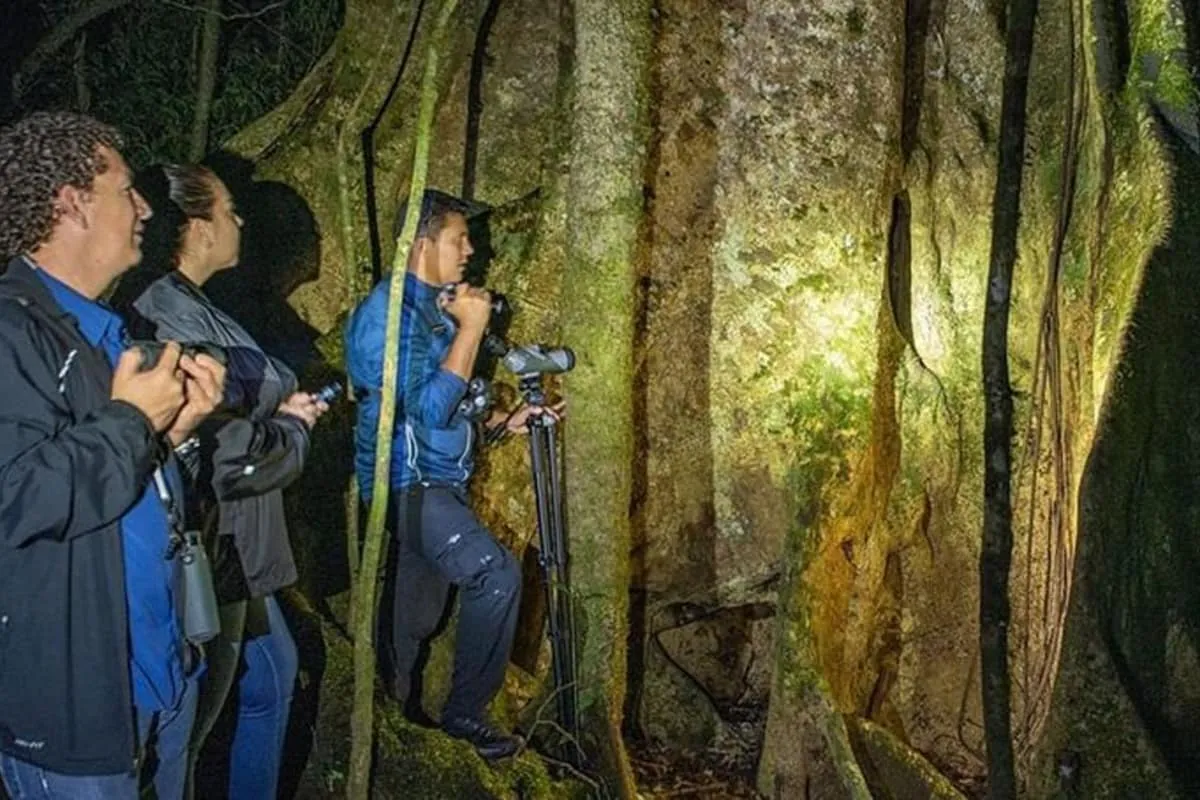
Night walks can reveal insects, spiders, frogs, sleeping birds and sometimes nocturnal mammals. Choose an ethical guide: responsible tours avoid handling wildlife, blasting lights or staging animals for photos. The preserve runs its own small-group night walk, and many private reserves offer them too. Ask about group size and whether the walk stays on authorized trails.
Amphibians carry a special lesson here. A landmark 1999 study in Nature by Pounds, Fogden and Campbell reported that 20 of 50 frog and toad species in a 30-square-kilometer study area at Monteverde, including the locally endemic golden toad, disappeared after population crashes in 1987. The authors linked the changes to warming and a decline in dry-season mist since the mid-1970s, consistent with the cloud base rising up the mountain. Protected, lush-looking forest can still face serious threats. Our reptiles and amphibians guide and butterflies and insects guide cover the smaller life you may meet on a night walk.
Hanging bridges, canopy views and ziplines
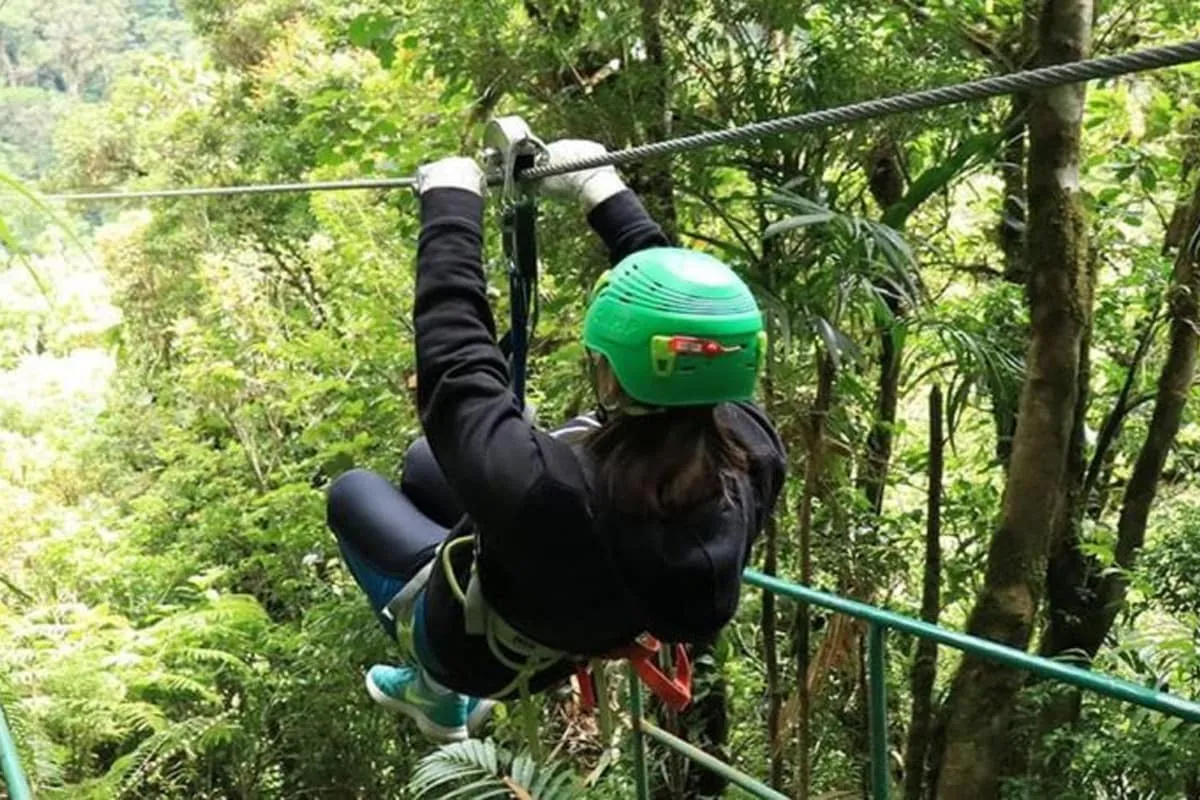
Hanging bridges show the forest’s vertical structure, from epiphyte-laden branches to canopy flowers. Most bridge parks around Monteverde are separate commercial businesses, not part of the Monteverde Cloud Forest Preserve, with their own tickets and rules. Some visitors make bridges the centerpiece of the day; others prefer forest trails with more time for birds. Ziplining is adventure tourism, fun but not a substitute for a guided walk. Never use a bridge or platform to feed wildlife.
Where to stay in and around Monteverde
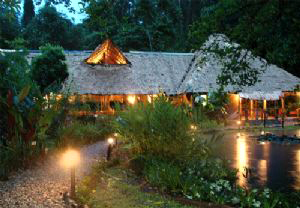
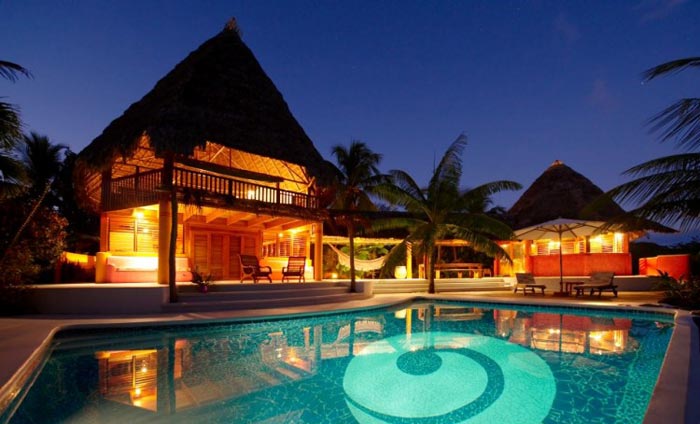
Accommodation ranges from family-run cabins to boutique hotels overlooking forest. A forest view is pleasant, but a lodge’s best ecological feature may be its own trails, native gardens or meaningful conservation work. Visitors without a car may prefer to be near Santa Elena’s services; birders may prefer quieter forest-edge lodging. Ask about steep paths, heating or extra blankets for cool nights and how you will reach the preserve’s visitor center.
Lodges we review in Monteverde:
- Monteverde Lodge and Gardens is one of the area’s longer-established nature lodges, operated by Costa Rica Expeditions, with expert guides and extensive gardens about 15 minutes from the cloud forest preserve.
- Monteverde Cloud Forest Lodge sits on about 70 acres of primary and secondary forest, with bungalow-style rooms and patios facing the garden and forest.
- Arco Iris Lodge, close to Santa Elena village, has private trails through its grounds, including one to a lookout where you can see the Pacific on a clear day, and cabins built by local craftsmen.
Other cloud forest stays elsewhere in Costa Rica, for travelers who want the same habitat on a different itinerary:
- El Silencio Lodge in Bajos del Toro is set on about 500 private acres of cloud forest with waterfalls.
- Savegre Mountain Hotel in San Gerardo de Dota, run by the local Chacón family, is a well-known quetzal-watching base with trails on a private reserve.
- Cabinas El Quetzal Lodge, also in San Gerardo de Dota, is a small family-run set of cabins on the Savegre River.
If you are combining Monteverde with Arenal, Rancho Margot on Lake Arenal created a ranger station within the Children’s Eternal Rainforest in partnership with the Monteverde Conservation League, and Arenal Observatory Lodge offers trails to old lava flows and volcano views. See all options on our Arenal and Monteverde eco-lodges page.
When judging sustainability, verify practices rather than assuming that a log cabin or green roof makes an eco-lodge. Costa Rica’s CST program now certifies at Basic and Elite levels; our guide to choosing a sustainable hotel gives a practical checklist, and our private reserves guide explains how private land fits Costa Rica’s conservation system.
How long to stay, and what to pack
Two nights give a basic introduction: one main reserve walk and one other activity. Three nights suit birders and anyone who wants a second reserve or a night walk. Four nights reward naturalists who enjoy repeat walks in changing light. A good three-night plan: arrive and take an easy local walk; spend a morning in the preserve or Santa Elena with a guide; visit a contrasting reserve or the Children’s Eternal Rainforest; leave the next morning. Avoid stacking bridges, ziplines, a long hike and a night tour into one day.
Monteverde can be cool, damp and windy. Bring a warm layer, a waterproof shell, sturdy shoes with grip and protection for cameras. Roots and boardwalks get slippery, and some properties have many steps. Leave a generous buffer before an international flight.
The pleasure of not seeing everything
Monteverde is at its best when travelers stop treating mist as bad weather and notice what it reveals: a tiny orchid, a bellbird’s call, a patient moment near a fruiting tree. Come for the famous cloud forest, but leave room for the quieter world inside it. Then compare it with the lowland rainforest of our Corcovado and Osa guide or start broader planning with our complete Costa Rica ecotourism guide.
Frequently asked questions
Do I need to book the Monteverde Cloud Forest Preserve in advance?
Booking ahead is strongly advised. Entry runs in time slots with a limited number of visitors per slot, the shuttle leaves at the booked time and late arrivals may not be accommodated.
Where do I go when I arrive at the preserve?
Go to the visitor center, which sits about 1.5 km below the forest entrance. Park there, check in 15 minutes before your slot and take the free shuttle to the trailhead.
Is Santa Elena Reserve the same as the Monteverde preserve?
No. Santa Elena is a separate 310-hectare reserve managed by the local public high school's board, with its own trails, tickets and guides. Santa Elena is also the name of the nearby town.
Will I definitely see a quetzal?
No. Quetzal sightings depend on season, fruiting trees, weather and luck. A guide who knows current activity improves the odds but cannot promise a bird.
Can I visit Monteverde without a rental car?
Yes. Many travelers use shuttles, taxis and lodge transfers. Plan how you will reach the preserve's visitor center for your time slot.
Are hanging bridges inside the main cloud forest preserve?
Generally not. Most bridge and zipline parks are separate businesses with their own entrances and rules.