
A family nature trip can be a little messy in the best possible way. One child becomes fascinated by leafcutter ants, another wants to see a sloth, and the adults find that the best part of the day was the slow walk back to the lodge, when everyone stopped to watch a hummingbird in the garden. Costa Rica rewards very different levels of curiosity, from young children seeing a rainforest for the first time to teenagers keen on rafting, surfing or wildlife photography.
The right family itinerary is rarely the one with the most activities. It’s the one that matches your children’s ages, cuts down on tiring transfers and leaves time to explore. An eco-lodge with safe paths, good guides, food your kids will eat and real habitat on the doorstep is often worth more than a big resort with endless amenities and no connection to the landscape. This guide covers the best regions for families, lodges that suit different ages, park rules worth knowing and the practical details parents tend to overlook.
Which regions work best for families?
| Region | Family strengths | What needs extra thought | Lodges we review |
|---|---|---|---|
| Arenal and La Fortuna | Easy forest trails, bridges, farms, volcano views | Activity overload and wet-weather backups | Arenal Observatory Lodge, Rancho Margot, Chachagua |
| Monteverde | Cloud forest, short trails, night walks | Cool weather, hills, winding roads | Monteverde Lodge & Gardens |
| Sarapiquí | Research-station walks, frogs, birds, bridges | Rain and humidity | La Selva, Selva Verde |
| Manuel Antonio and Carara | Beach and rainforest close together, accessible trail at Carara | Crowds, park rules, monkeys after food | Si Como No, Arenas del Mar |
| Southern Caribbean | Coastal forest, reef, village life | Swimming safety and rain | Cabinas Caribe Luna |
| Tortuguero | Boats, canals, waterbirds, turtles in season | No road access, no swimming | Tortuga Lodge & Gardens, Pachira Lodge |
| Osa Peninsula and Golfo Dulce | Deep rainforest for older kids and teens | Remote transfers, heat, minimum ages | Aguila de Osa Inn, Playa Nicuesa |
Arenal: a strong first family destination
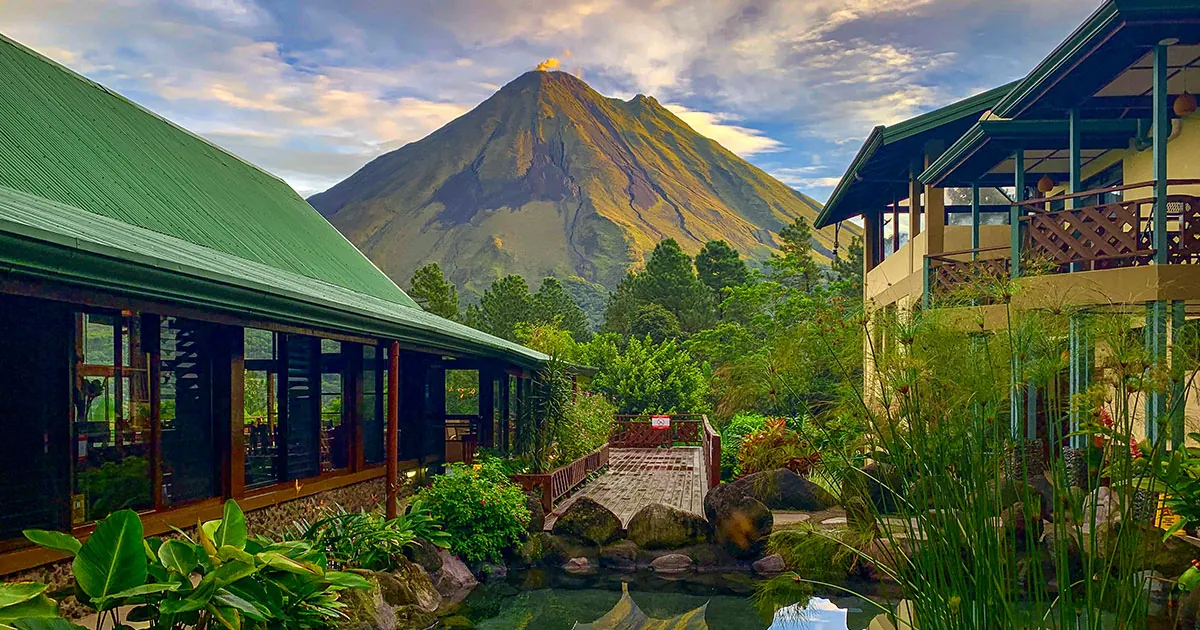
Arenal works well for many families because the choice of activities is so wide. You can spend a morning on a short forest trail, an afternoon on a farm and a day by the river, adjusting the pace without changing hotels. Arenal Volcano National Park has short trails across old lava flows and past a ceiba tree more than 400 years old. Climbing the volcano itself is strictly prohibited, which is worth explaining to adventurous teenagers before you arrive.
Arenal Observatory Lodge sits inside the national park with about 11 km of its own trails, including an 800-meter wheelchair-accessible path that also works for strollers and small legs. Rancho Margot, an off-grid farm on more than 400 acres near Lake Arenal, suits families who want children to see where food comes from. Chachagua Rain Forest Lodge is a working ranch with a biological station. Compare room layouts, pool access and whether the trails suit small children. A trail described as easy can still be slippery after rain.
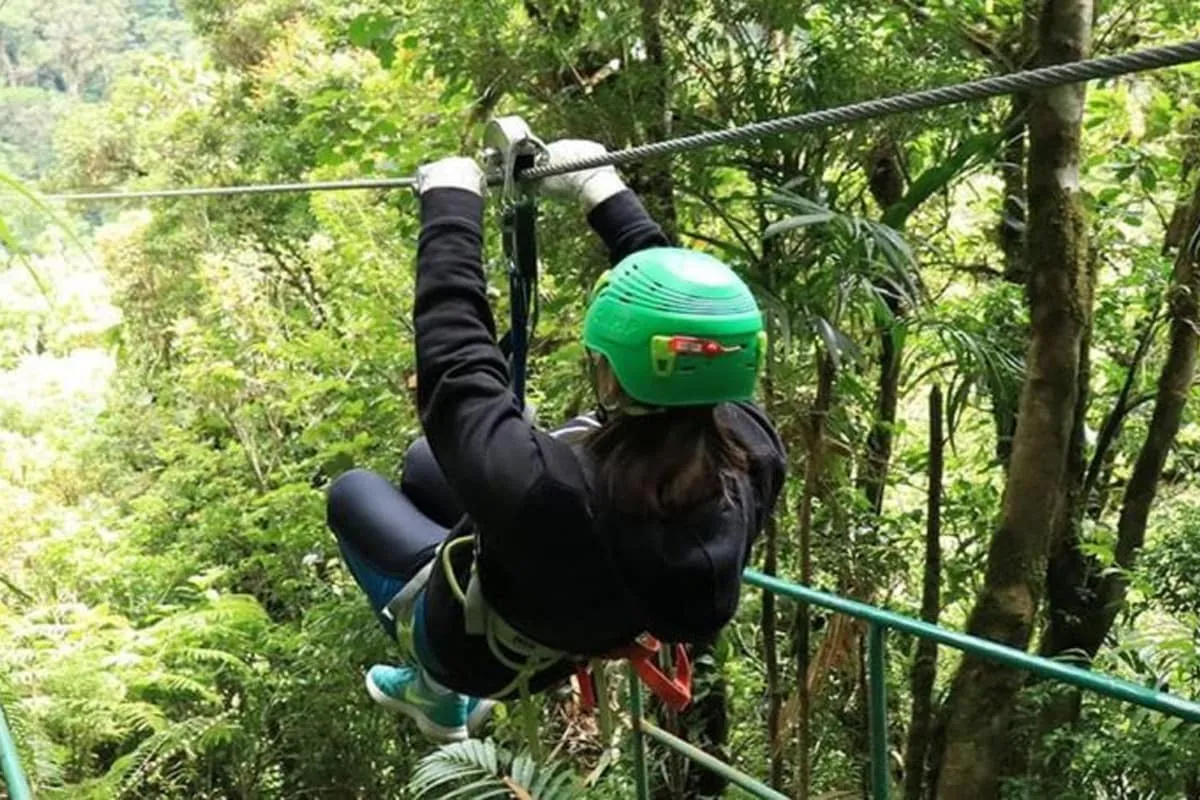
Hanging bridges and ziplines are tempting. Check heights, stairs and stroller access, and remember that zipline operators set their own age, height and weight limits. One big activity a day is plenty. Kids notice more wildlife when they still have energy to look. Our rainforest hikes, hanging bridges and canopy tours guide compares the options.
Monteverde: an outdoor classroom in the clouds
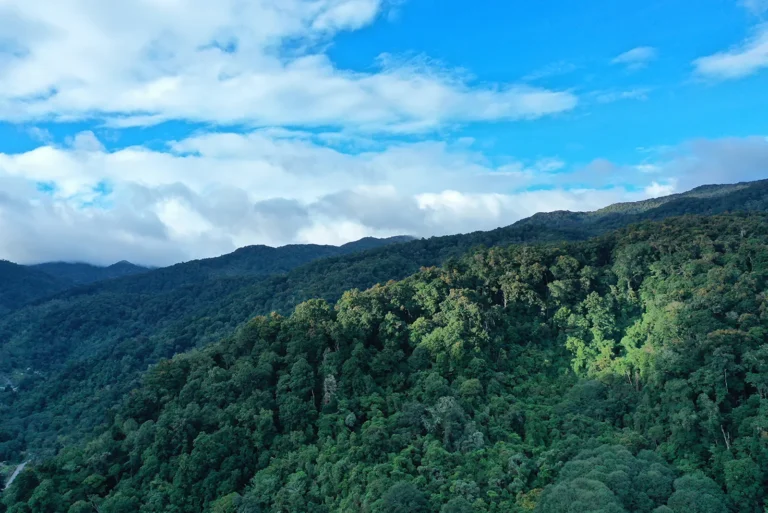
Monteverde’s cloud forest feels unlike anywhere on the coast. Mossy trees, orchids, hummingbirds and sudden mist make it a wonderful place to explain how altitude changes rain, temperature and wildlife. At the Monteverde Cloud Forest Preserve, the Essence Trail is 1.4 km and takes about an hour on easy ground, while the longest main trail, the Continental Divide, is 4.1 km. Visits run in timed slots, and late arrivals may not be admitted, so build in time for snack and bathroom stops. Guided natural history and night walks last about two and a half hours with a maximum of 10 people, which suits older children better than toddlers.
Pack a warm layer and rain gear even if the rest of the trip is on the beach, and think about car sickness on mountain roads. Two or three nights let everyone settle in. Monteverde Lodge & Gardens is about 15 minutes from the preserve and has its own gardens to explore at dusk. See our Monteverde cloud forest guide for the other reserves.
A naturalist who enjoys children’s questions can transform a walk. Ask if your guide has family experience and will stop for small discoveries. It’s perfectly fine if the highlight is a caterpillar rather than a quetzal.
Sarapiquí: science made visible
The lowland forests of Sarapiquí are a great fit for curious school-age kids. La Selva Biological Station, run by the Organization for Tropical Studies since 1968, has recorded 470 bird species and 125 mammals on about 1,600 hectares, and offers birding walks, night walks and natural history walks. Seeing working scientists in the field can spark a lasting interest. You can stay at La Selva itself or nearby at Selva Verde, on the Sarapiquí River. Nearby, Tirimbina has 7 km of rainforest trails with three hanging bridges and markets experiences for all ages.
Manuel Antonio and Carara: beach and forest without deep-wilderness logistics
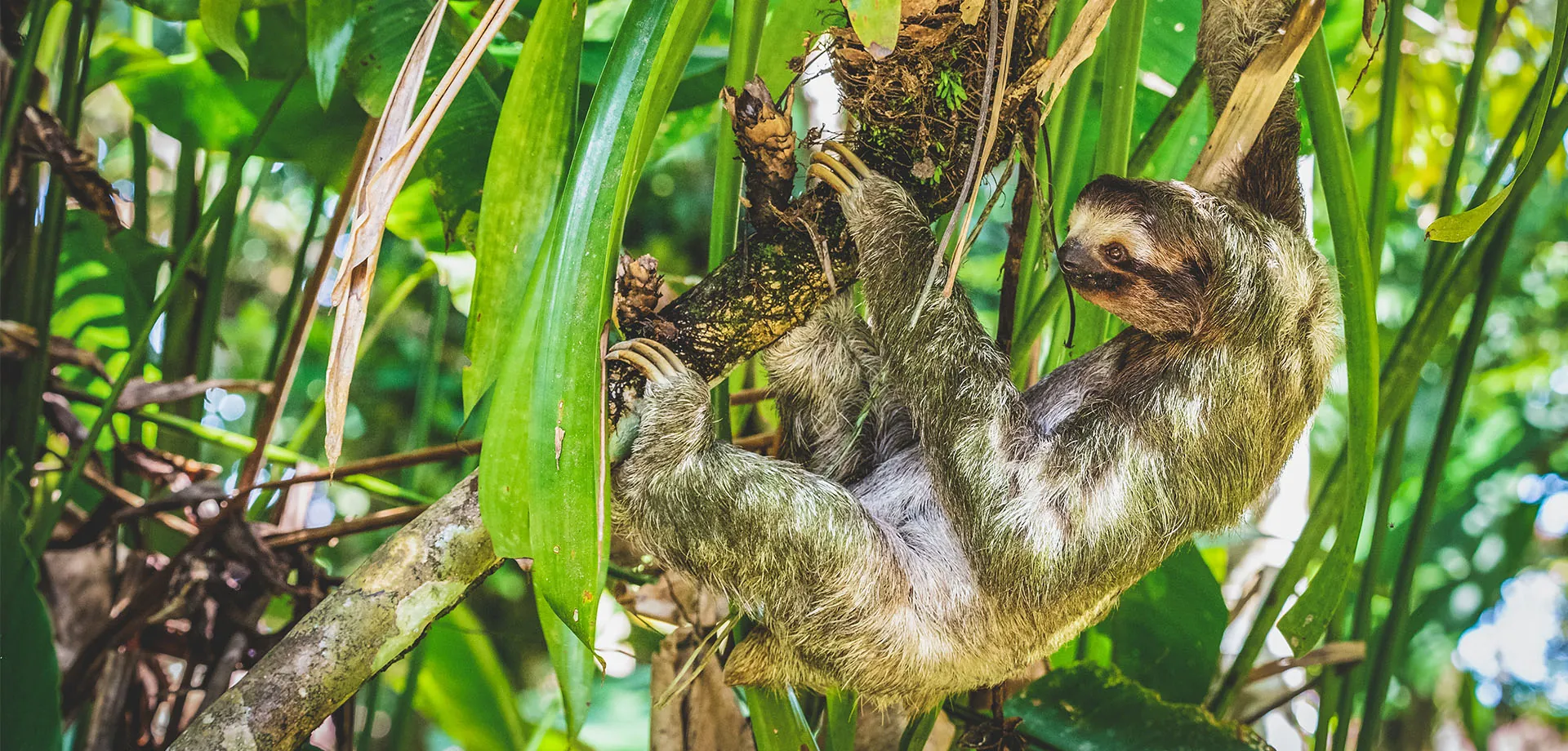
Manuel Antonio is the classic family choice for a national park and a beach in one place. The trade-off is crowds, and wildlife that has learned to look for food. SINAC’s park page sets clear rules: the park is open Wednesday to Monday from 7 a.m. to 3 p.m. and closed on Tuesdays, tickets are sold only online, and food may be eaten only in the designated area, not on beaches or trails. Feeding animals is prohibited. Explain that to children before you go, because monkeys and raccoons will try their luck with any open bag. An official guide association works inside the park if you’d like help spotting sloths.
Location matters more than luxury here. Si Como No has a butterfly garden and its own wildlife refuge, and Arenas del Mar runs electric carts around a steep, roughly 12-acre beach and forest property, a real help with small children. Ask any hotel how far it is from the park entrance and if you’ll need a car or shuttle.
For a quieter forest day, Carara National Park was the first national park in Costa Rica with a universal-access trail: 1.2 km with nine rest areas, drinking water along the way and signs in Spanish, English and Braille. It’s a fine place to look for scarlet macaws with grandparents, toddlers in strollers or anyone who doesn’t want a hard hike.
Caribbean coast: forest, reef and village life
Cahuita and Puerto Viejo offer coastal forest, reef and Afro-Caribbean culture in a relaxed setting. Cabinas Caribe Luna is within walking distance of Cahuita National Park, where the coastal forest along the shore is home to sloths, raccoons and coatis. Families can mix a guided nature walk with time in the village and a visit to a cacao farm.
Be careful with the sea. A calm-looking beach doesn’t guarantee safe swimming, and some Caribbean beaches have strong currents. Ask local guides where it’s safe to swim and keep children close. If you visit an Indigenous community, book through a named community business and follow its guidance on photography and private spaces.
Tortuguero: a boat adventure
For many children, the boat ride into Tortuguero is the highlight. SINAC notes that the park can be reached only by small boats, and the canals are rich in caimans, river turtles, monkeys and herons. Two rules matter for families. First, nobody swims: the park brochure bans swimming in both the sea and the lagoons because of dangerous currents. Second, the turtle beach is closed at night from March 1 to October 31 except on authorized tours, which leave at 8 p.m. and 10 p.m. The 8 p.m. tour is the easier choice for younger children, and tours require quiet waiting in the dark with no flash photos, so ask the guide whether it suits your kids. Turtle tour operators set their own age rules, so check before booking.
Tortuga Lodge & Gardens has 146 acres of gardens and forest to explore between boat trips, and Pachira Lodge sells packages that bundle the transfer, meals and a guided canal tour. Our sea turtle nesting guide explains the seasons and etiquette.
Osa Peninsula and Golfo Dulce: best with older children
The Osa can be extraordinary for older kids and teens who love nature, but heat, rain, remote roads and boat landings make it less forgiving. Corcovado’s long trails are serious hikes; the walk from La Leona to Sirena alone is 16.5 km, and night walks aren’t allowed inside the park. A family with toddlers will usually be happier somewhere easier.
Some remote lodges set minimum ages. Playa Nicuesa Rainforest Lodge, reached only by boat, requires guests to be at least six and has family-friendly cabins. Aguila de Osa Inn in Drake Bay offers a family adventure package, and guests arrive by plane to the Drake airstrip or by boat from Sierpe. Before booking any Osa lodge, ask about wet landings, guide minimum ages and what happens if a child gets sick. Our Corcovado and Osa guide has the park details.
One of the best habits at a remote lodge is a quiet early-morning watch right on the property. Children can keep a nature diary, sketching tracks or writing down sounds. That often beats an expensive tour that ends in tears.
What makes a lodge family-friendly?
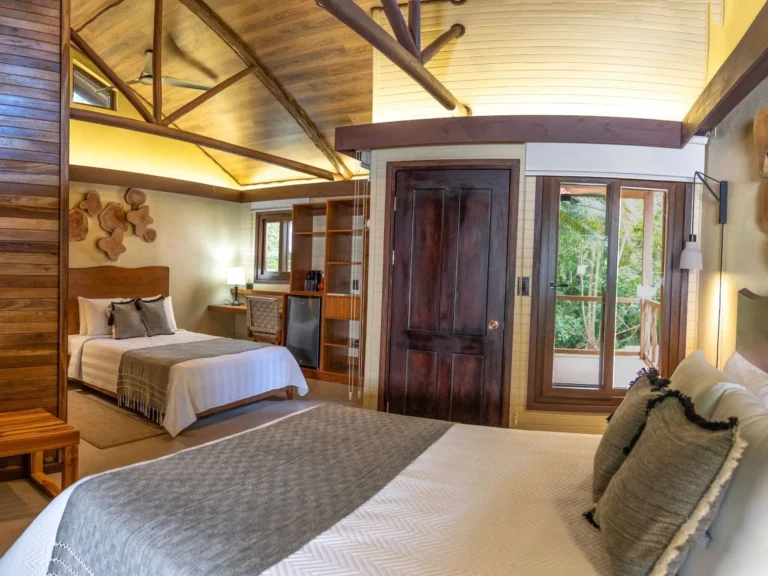
Ask specific questions. Do rooms have secure railings and insect screens? Can the whole family sleep comfortably together? Is there a pool, and is it fenced? Are paths lit after dark, and how far is the restaurant from the room? Can the kitchen handle your children’s diets? Can staff suggest a guided walk for a six-year-old rather than a seasoned hiker?
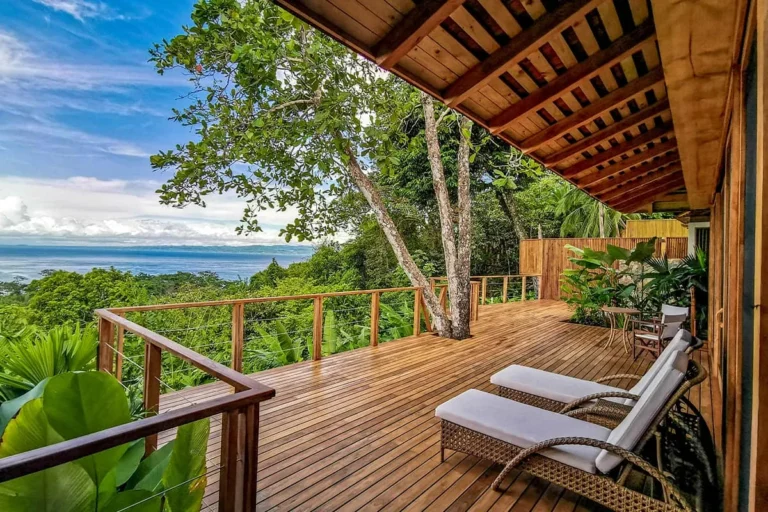
A treehouse may look wonderful but involve high stairs and open decks. A lodge on a river gorge may need constant supervision. Many excellent eco-lodges were designed for adults, and that’s fine. It just means choosing a place that works for your particular children.
Practical details parents often overlook
- Car seats. Costa Rica has required child restraints since 2014. According to traffic police guidance reported by CR Hoy, babies under one ride in rear-facing carriers, children from one to four in child seats, four to six in high-back boosters and six to twelve in boosters, until they’re taller than 1.45 meters. Reserve seats with your rental company or transfer operator.
- Small planes. Domestic flights have tight baggage rules. Sansa, for example, says checked baggage allowance depends on the fare, carry-ons over 6.8 kg must be checked and folding strollers up to 7.2 kg go only if there’s space.
- Food and health. In remote places the lodge is often the only source of meals, snacks and basic supplies. Bring any medicines and special foods you need.
- What’s included. Ask whether children are included in room rates and meal plans, and whether transfers and guided walks are priced per person. Our eco-lodge vacation cost guide explains how the extras add up.
Teaching wildlife ethics
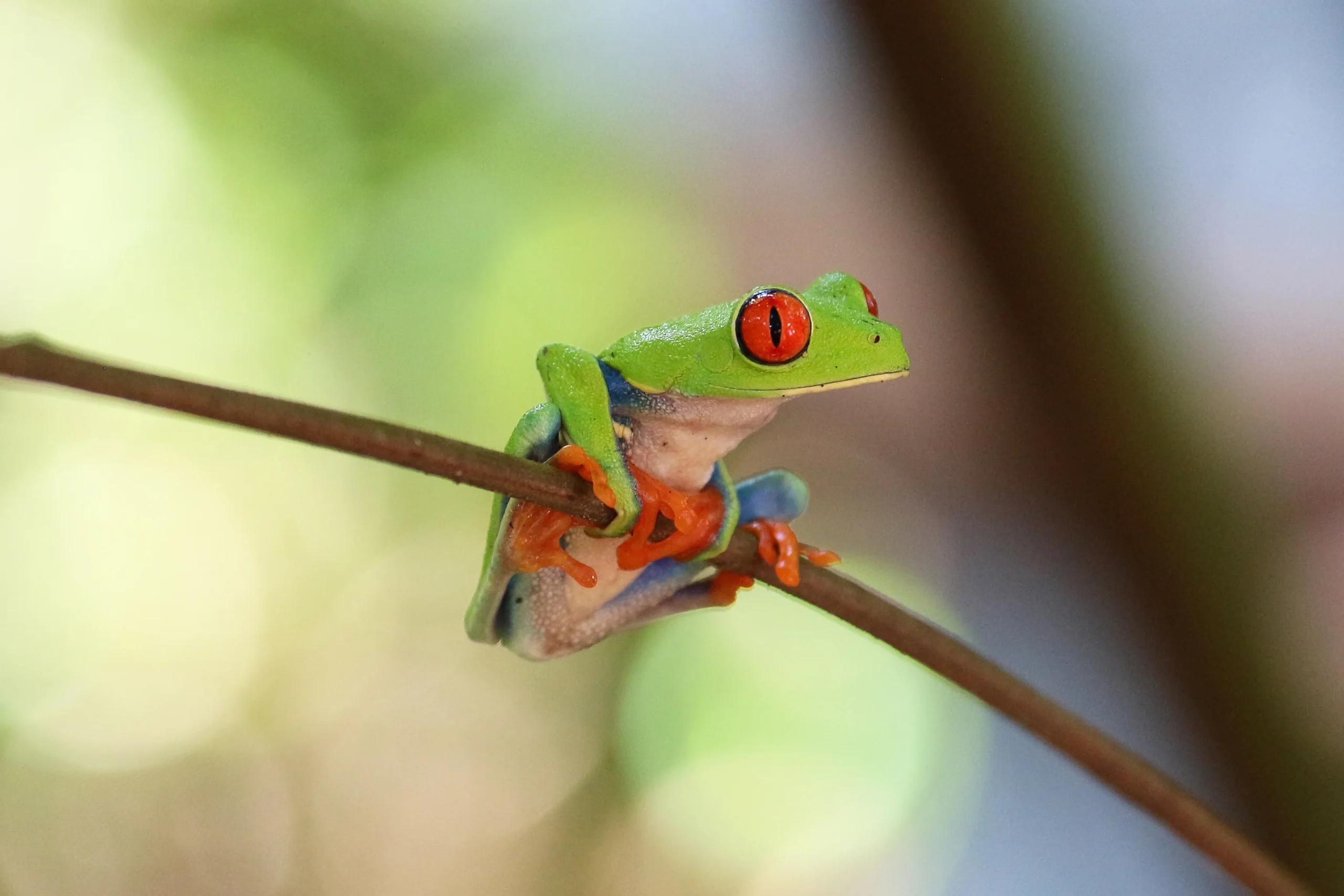
Explain before the first hike that animals don’t perform for visitors. Don’t feed them, touch frogs, follow monkeys or move a sloth for a photo. Costa Rica’s official Costa Rica Silvestre toolkit includes a fact sheet on not feeding wildlife and a code for cruelty-free wildlife photos and selfies, both handy for starting the conversation with older kids. A good guide models distance and explains behavior, and children quickly learn to listen, spot colors and notice patterns without handling anything.
For boat trips, insist on life jackets that fit and operators who adjust to sea conditions. A dolphin sighting isn’t a success if the boat chased the animals to get it.
A seven-day family nature itinerary
Spend three nights around Arenal, two in Monteverde and the last night near the airport. Settle in on day one rather than rushing to a tour. Walk with a naturalist on day two and visit a farm or waterfall on day three. Transfer to Monteverde on day four and keep the afternoon easy. On days five and six, explore the cloud forest and keep one slot free for rain or rest. If you want a beach, swap Monteverde for Manuel Antonio and Carara. For longer routes, see our 7, 10 and 14-day itineraries.
Longer stays reduce packing stress, and children grow more confident on a second visit to the same trail. By the end of a week they may recognize a howler monkey’s call or know exactly where the leafcutter ants cross the path. That’s an ecotourism success worth planning around.
Frequently asked questions
Is Costa Rica a good destination for a family wildlife vacation?
Yes, for most families. Places like Arenal, Monteverde, Sarapiquí, Manuel Antonio and Tortuguero combine easy wildlife watching with good services. Safety depends on the specific trail, beach, boat and transfer, so plan around your children's ages.
Arenal or Monteverde for young children?
Arenal has more activities and services and is easier for very young kids. Monteverde offers a unique cloud forest experience with short trails like the 1.4 km Essence Trail. With a relaxed pace, a week can include both.
Can children watch turtles nesting at Tortuguero?
Often, yes. Tours run at 8 p.m. and 10 p.m. during the season and require quiet waiting in the dark without flash. Operators set their own age rules, so ask before you book.
Do families need car seats in Costa Rica?
Yes. Child restraints have been required since 2014, from rear-facing carriers for babies to boosters for children up to 12 or until they pass 1.45 meters. Rental companies and transfer firms can supply seats if you reserve them.
Are there accessible nature trails for strollers or grandparents?
Yes. Carara National Park has a 1.2 km universal-access trail with rest areas and Braille signs, and Arenal Observatory Lodge has an 800-meter accessible trail.
Should families stay in one lodge for the whole week?
A three- to five-night base works well with younger children. Adding one more region gives a change of habitat without constant packing.