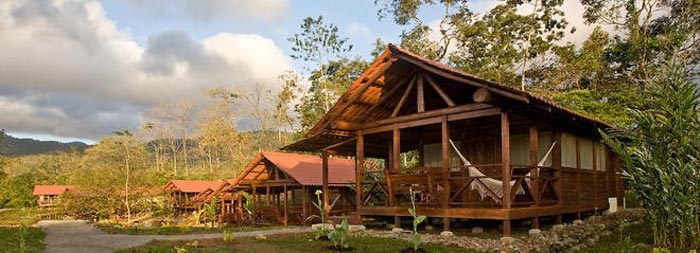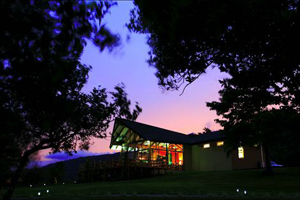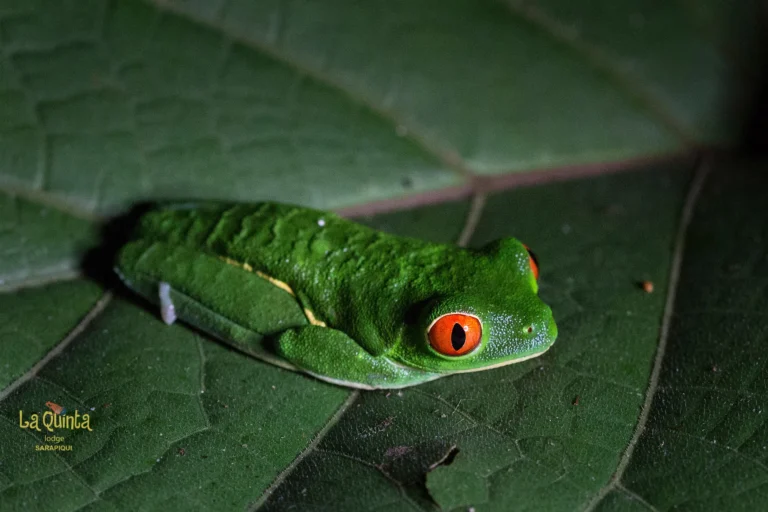
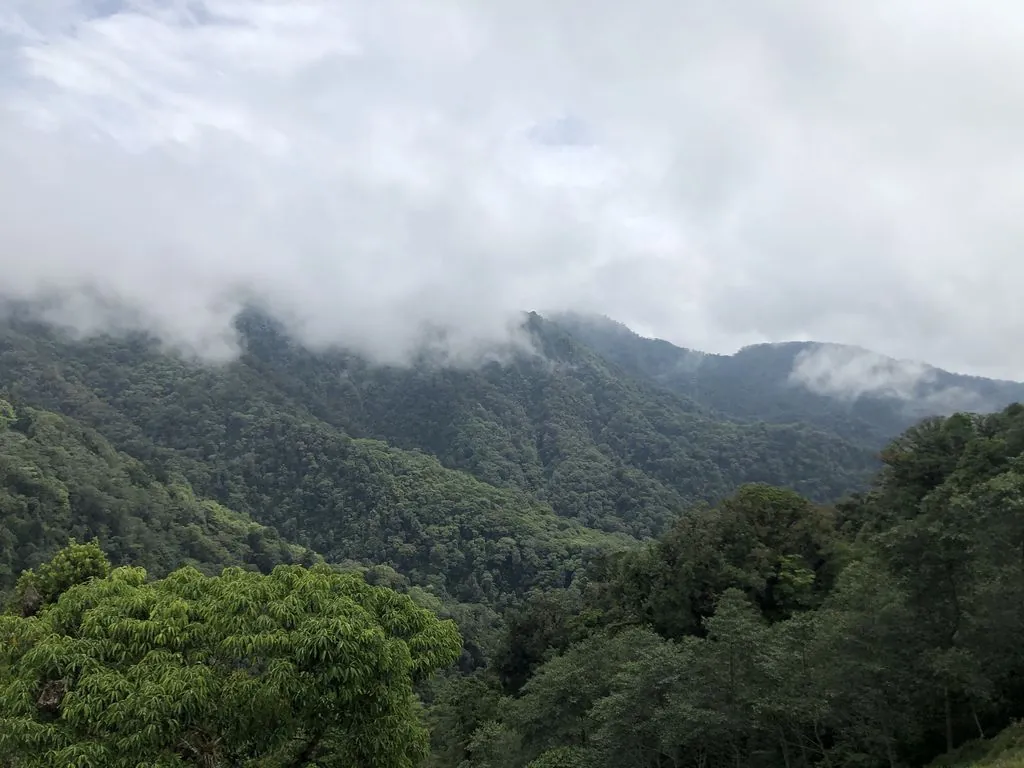
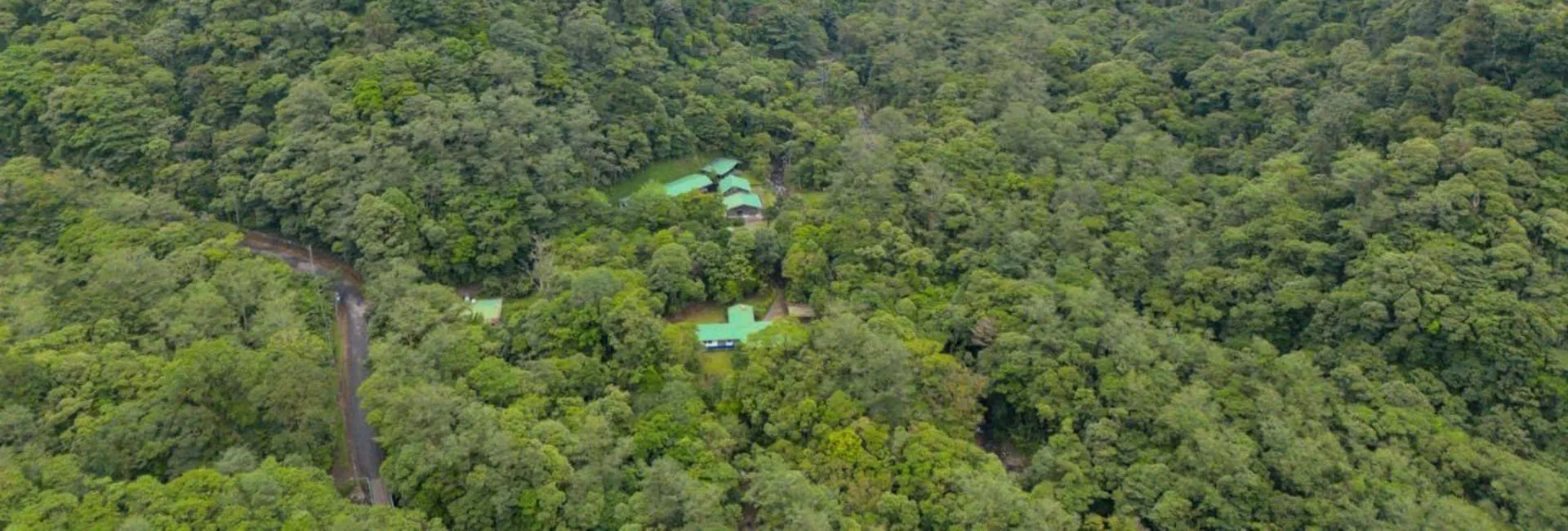
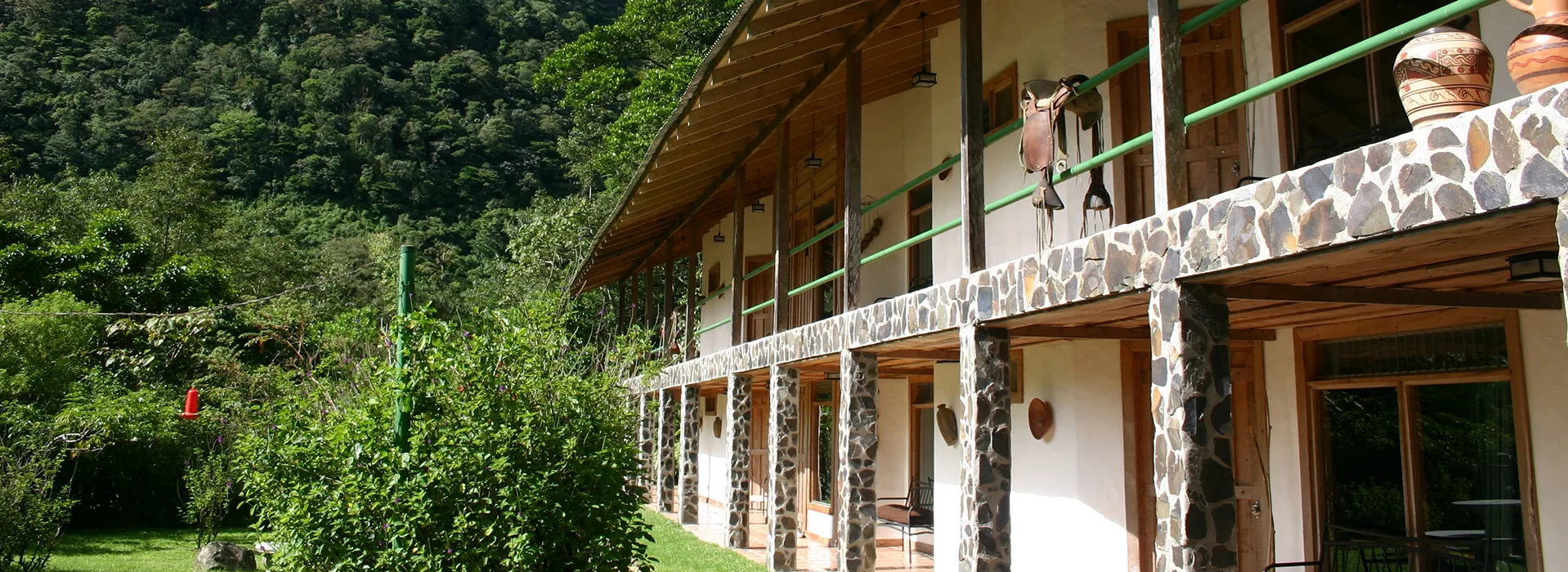

Bosque de Paz is a family-run lodge inside its own private cloud forest reserve near Bajos del Toro, on the Continental Divide between Poás Volcano and Juan Castro Blanco National Parks. With 12 rooms, more than 450 hectares of forest, over 330 bird species on its list and a long-running orchid research garden, it’s one of the most serious small nature lodges within an easy drive of San José. It suits birders, photographers and hikers who want quetzals and hummingbirds without a long trip.
At a glance
| Location | Near Bajos del Toro, about 14 km past Zarcero, Alajuela |
|---|---|
| Style | Family-run lodge with 12 rooms and full board |
| Setting | Private reserve of rain and cloud forest, about 1,500 to 1,900 m |
| Best for | Birding, nature photography, orchids and forest hiking |
| Getting there | About 1.5 hours by car from the San José airport, via Naranjo and Zarcero |
| CST status | Not listed in the CST directory (checked 2026-10-21) |
Where it is
The lodge sits in the mountains north of the Central Valley, in the cool, wet forest on the Caribbean side of the Continental Divide. According to the owners, the reserve forms a natural biological corridor between Poás Volcano National Park and Juan Castro Blanco National Park.
The directions page puts the drive at about 1.5 hours from the airport. You take the Pan-American Highway to Naranjo, climb to Zarcero, turn beside the church, and then follow a quieter road for about 14 km through Palmira and Pueblo Nuevo until a wooden sign and a gatehouse mark the reserve. The lodge asks guests to arrive before dark, which is good advice on these roads.
The reserve and its trails
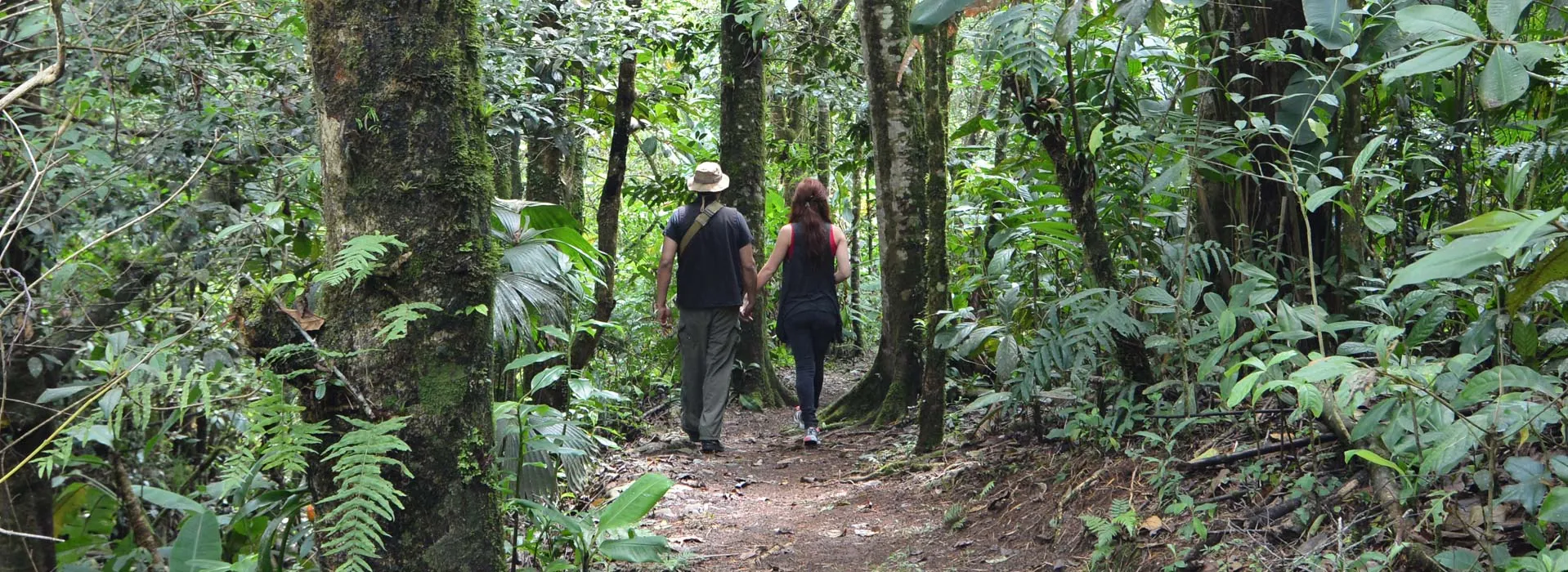
The González family protect more than 450 hectares of primary and recovering forest, and the trail page describes 5 marked routes:
- Botanic Trail (about 1 km): the oldest and densest forest, with spider and howler monkeys and the occasional quetzal.
- Gallery Trail (3 km): primary forest where quetzals are seen more often, along with coatis, agoutis and redstarts.
- Valley Trail (about 1 km): young forest growing back on old pasture, which links the others and is good for trogons and the prong-billed barbet.
- Jaulares Trail (2.5 km): mixed primary and secondary forest with capuchin monkeys, armadillos and pacas.
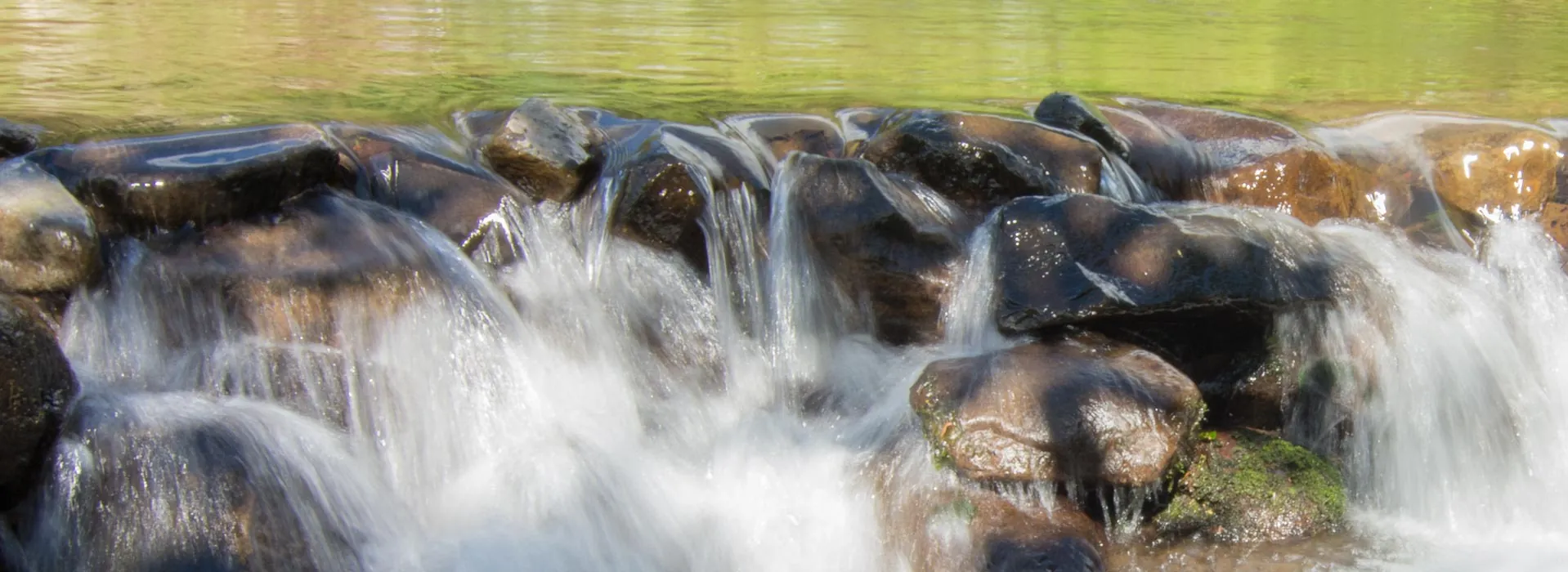
- Waterfall Trail (5 km): the longest walk, climbing from about 1,500 m to 1,900 m to the Fátima waterfall, roughly 60 m high.
Overnight guests walk the trails on their own, and the lodge can arrange a local guide. The mix of old forest and regrowth is part of the story here: the Valley Trail shows what a former cattle pasture looks like after decades of being left to recover.
Birds and hummingbirds
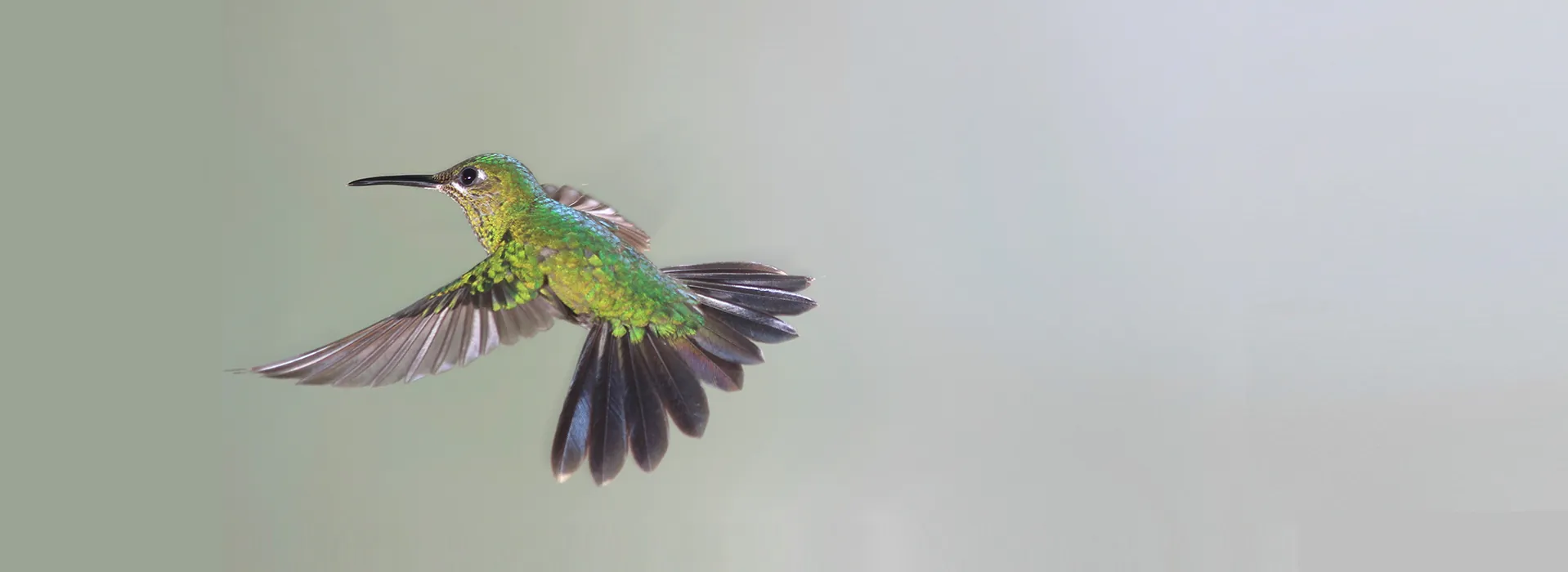
Birding is the main draw. The reserve has recorded more than 330 species since 1997, according to its bird list, including the resplendent quetzal, black guan, emerald toucanet, three-wattled bellbird, scaled antpitta, ornate hawk-eagle, black-faced solitaire, American dipper and golden-browed chlorophonia. The list also holds 24 hummingbird species, from the violet sabrewing and volcano hummingbird to the tiny snowcap, and photographers come for the hummingbirds that stay close to the lodge all day.
Quetzals are the headline bird, and they’re seen on the Gallery and Waterfall Trails in particular. As anywhere, sightings depend on season and luck.
Orchids and research
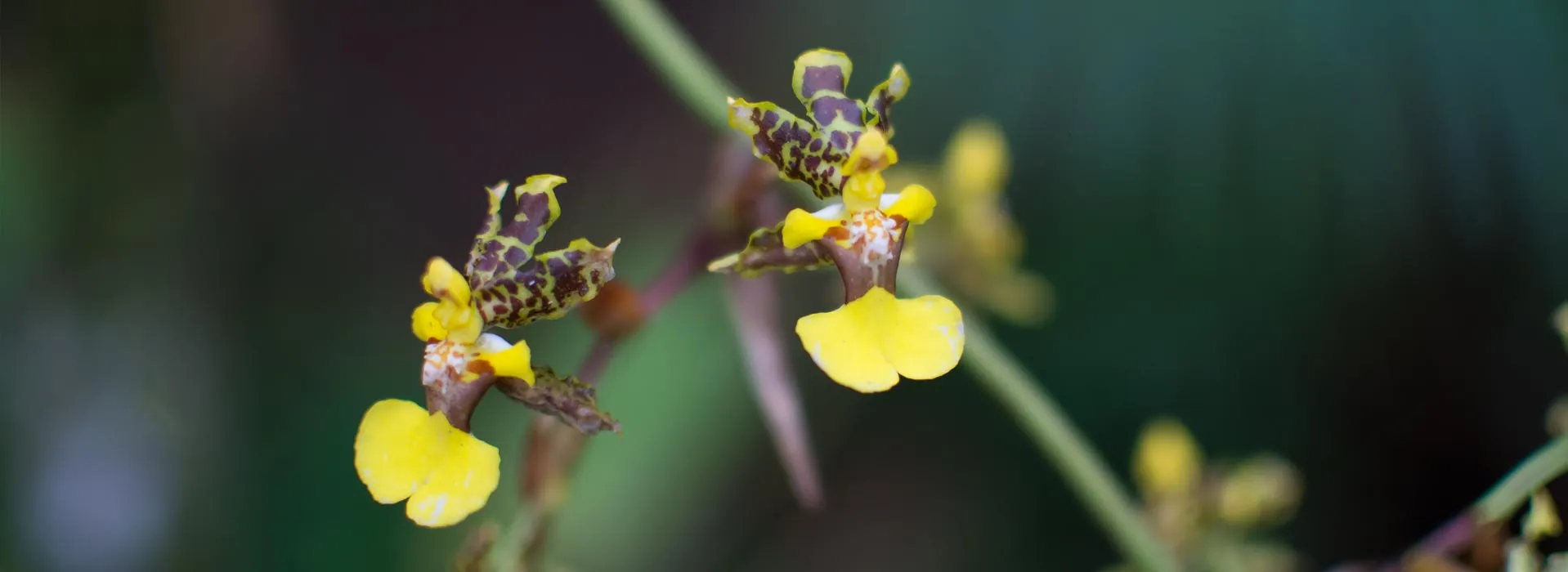
Bosque de Paz has a genuine research side. Since 2000 the reserve has rescued epiphytic orchids that fall onto the trails, and in 2004 it opened the Dr. Stephen H. Kirby Orchid Garden, named after the American scientist who helped fund the work. The project, which works with the University of Costa Rica and Lankester Gardens, has recorded flowering and fruiting every month since then. The orchid project page lists about 230 orchid species on the reserve, including 3 described as new to science. Since 2016 the project has been led by Noelia Belfort Oconitrillo.
Rooms and meals
There are 12 rooms, each with 2 double beds, a private bathroom with hot water and a balcony facing the forest. Common areas include a living room with a small natural history library.
Stays are normally full board, with 3 meals a day in the lodge restaurant, which serves home-style Costa Rican cooking, natural fruit drinks and Costa Rican coffee, with a wide view over the valley. A bed-and-breakfast option is also offered. The lodge recommends staying at least 3 nights, and families with children of any age are welcome.
Conservation and sustainability
The owners describe their aim as building a large biological corridor for future generations and raising awareness of conservation through tourism and education. The protected land, the regrowing pastures and the orchid program are concrete evidence of that. The lodge doesn’t publish details on energy or waste systems, and it isn’t currently listed in the CST sustainability directory, so the conservation of the reserve itself is the strongest part of its case.
Who it suits, and who might prefer somewhere else
Bosque de Paz is ideal for birders, wildlife photographers and orchid lovers, and for travelers who want a real cloud forest experience close to the airport, either at the start or the end of a trip. Bring layers and rain gear: at this altitude it’s cool and often misty.
It’s a quiet place with no nightlife, pool or spa. Travelers after more comfort might also look at El Silencio Lodge, also near Bajos del Toro, or head on to the lowlands around Selva Verde in Sarapiquí. For more ideas, see the northern eco lodges and the guide to the best eco lodges for wildlife and birdwatching.
Frequently asked questions
Can I see a resplendent quetzal at Bosque de Paz?
Quetzals live in the reserve and are seen most often on the Gallery and Waterfall Trails, but sightings are never guaranteed. Staying 3 nights or more and hiring a local guide improves the chances.
How hard is the Waterfall Trail?
It's the longest trail on the reserve at about 5 km, climbing from around 1,500 m to 1,900 m to the 60 m Fátima waterfall. Allow plenty of time and wear boots, since the forest trails are often muddy.
Are meals included?
The standard stay includes 3 meals a day at the lodge restaurant. A bed-and-breakfast option is also available, but there are few other places to eat nearby.
Is it a good first or last night near the airport?
Yes. The lodge is about 1.5 hours from the San José airport, so it works well at either end of a trip, but plan to arrive before dark.