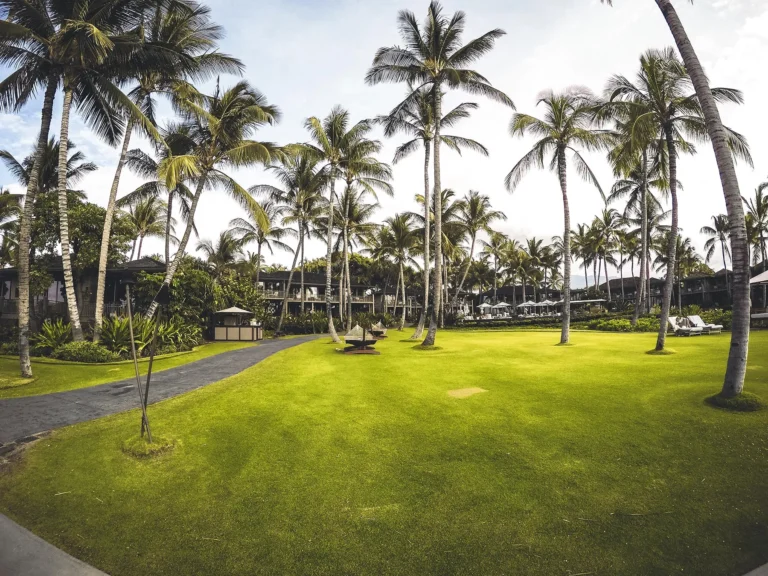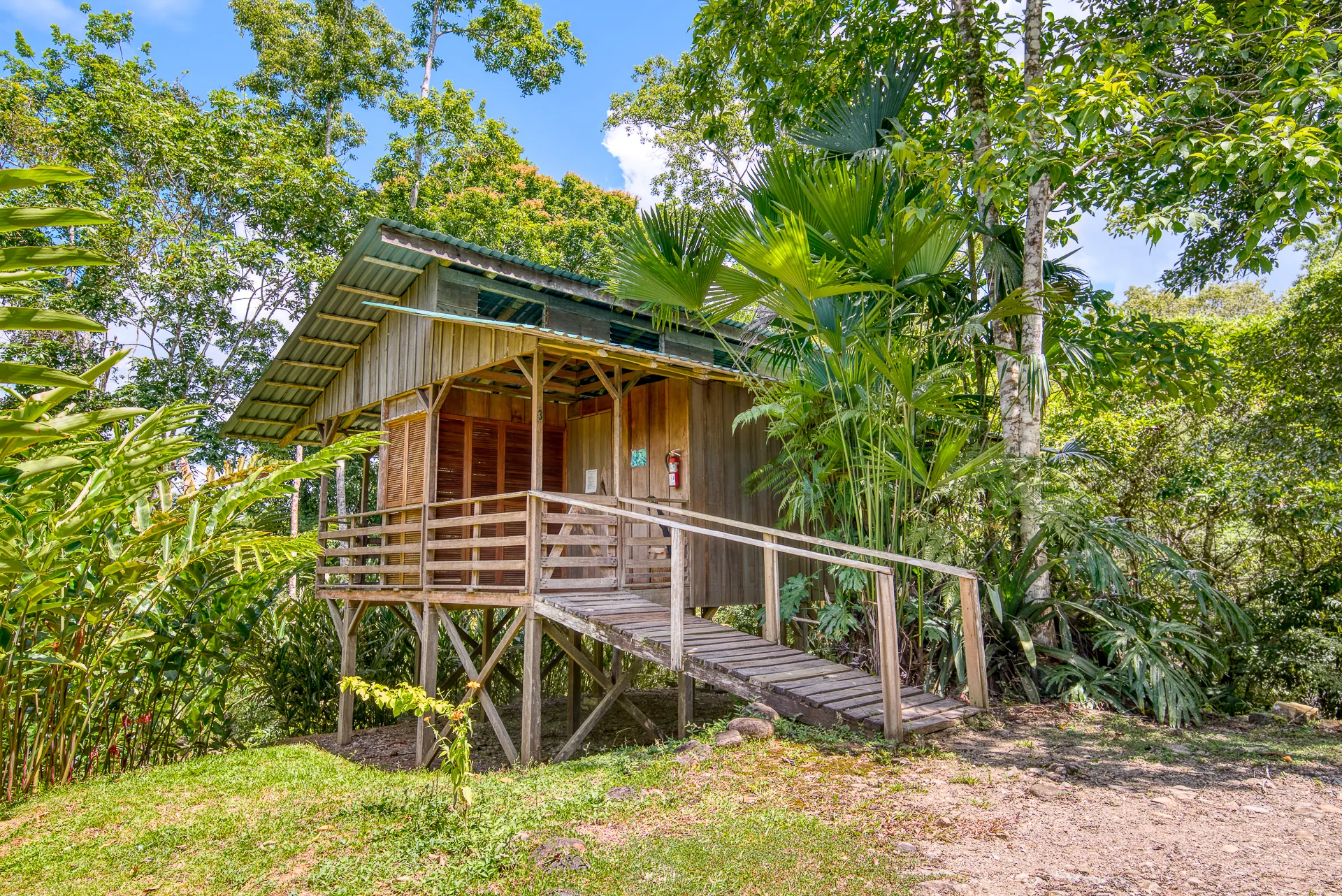
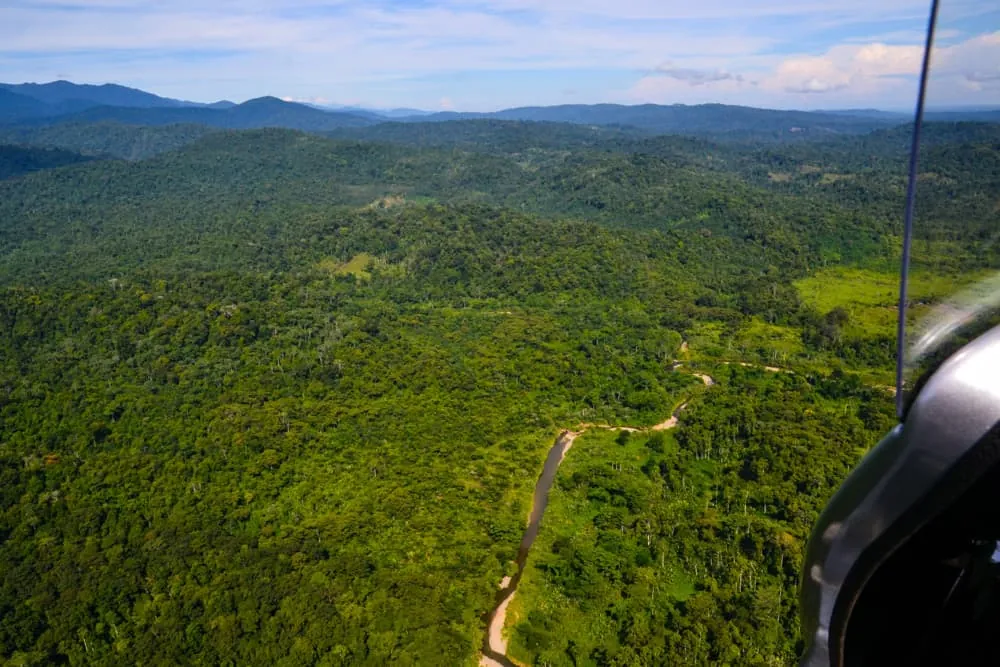
Selva Bananito is a family-run lodge without mains electricity on the edge of a private rainforest reserve of about 850 hectares in the Talamanca foothills, south of Limón. The reserve protects the headwaters of the Bananito River, the main water source for the city of Limón, and acts as a buffer for La Amistad International Park. It suits travelers who want real primary forest, lamp-lit evenings and adventurous guided tours, and who don’t mind a rough final drive to get there.
At a glance
| Location | Above Bananito Norte, about 35 minutes inland from the coast road south of Limón |
|---|---|
| Style | Rustic family lodge of wooden cabins on stilts, no mains electricity |
| Setting | Family farm and private biological reserve of about 850 hectares, two-thirds untouched forest |
| Best for | Hikers, birders, families with older kids and anyone wanting off-grid nights |
| Getting there | Paved coast road from Limón, then gravel; transfers from Salón Delia in Bananito Norte |
| CST status | CST Basic, valid to 2028-Apr-22 |
Where it is
The lodge’s location page starts in Limón: head south toward Cahuita on the coastal road, cross the Vizcaya River bridge about 18 km out, then turn inland onto a gravel road through banana plantations to the village of Bananito Norte. From there the road climbs past creeks and a locked gate to a ridge near Cerro Muchilla. In normal conditions the lodge is about 35 minutes from the coast road, but the last stretch includes a river crossing that floods can reshape.
Guests in ordinary cars, or anyone arriving after heavy rain, meet the lodge’s vehicle at Salón Delia, a small bar and restaurant just past the railway tracks in Bananito Norte. Transfers run at set times around midday and mid-afternoon, according to the lodge’s rates page. San José to Limón is about two and a half hours on a clear highway. Our guide on how to reach remote eco-lodges has more on planning drives like this one.
A family farm turned reserve
The general information page tells the story. Rudi Stein, who had farmed in Latin America since the 1950s, bought the land in 1974. In 1994 the family declared about two-thirds of it, the part that had never been cleared, a private biological reserve, and built the lodge as a way to earn a living from the forest without cutting it. The rest of the property is still worked as a farm. Jürgen Stein now welcomes guests as host.
In 1997 the family helped set up the Fundación Cuencas de Limón (Limón Watershed Foundation), whose page on the lodge’s site describes its work: guards and inspectors to report illegal logging and hunting, land surveys, education workshops for farmers and rural schools, and a goal of widening the buffer zone of the La Amistad International Park, a UNESCO World Heritage Site. The lodge also supports the small San Cecilio school in the valley.
Cabins
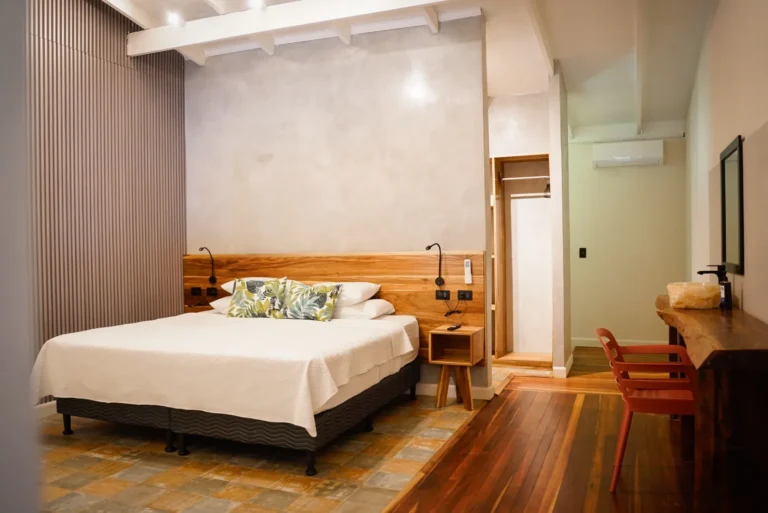
The cabins page describes four types, all with tiled bathrooms and solar-heated water:
- Standard cabins: about 42 square meters, a full and a queen bed, set at least 30 feet apart with heliconias as natural walls.
- Superior cabins: about 48 square meters on stilts in the Caribbean style, with two queen beds.
- Honeymoon cabins: about 42 square meters for two, with mosquito netting.
- Kinkajou cabins: about 32 square meters for up to three, with a deck, two hammocks and views for birding from the veranda.
There is no mains electricity. The family describes this as a choice to keep the nights quiet; light comes from lamps and candles, and battery charging can be arranged through the farm office. Meals are served at the open-sided rancho down the main path.
Meals and rates
The lodge offers bed and breakfast, full board, or an all-inclusive plan with three meals, juice, a beer or glass of wine at dinner, and one standard tour a day chosen from hiking, tree climbing, horseback riding, tree planting or birding. The minimum stay is two nights. Tell the lodge about dietary needs well ahead, since the kitchen is remote.
What to do
The tours page is the lodge’s strong suit:
- Tree climbing: an introduction to rope climbing up a 30-meter tree using harnesses and ascenders.
- Waterfall tour with rappel: a hike upstream with more than 60 river crossings and an optional rappel down an 80-foot waterfall.
- Canopy platform: a 100-foot observation platform with a zip line and rappel.
- Horseback rides: a gentle farm ride, or a tougher ride to La Cristalina and into primary forest.
- Birding: the lodge says its reach covers 12 life zones, from coastal mangroves to cloud forest.
- Natural history hikes for beginners to experienced hikers, and tree planting on land cleared for banana farms long ago.
- Gyrocopter flights over the Caribbean lowlands, a newer addition to the list.
Wildlife
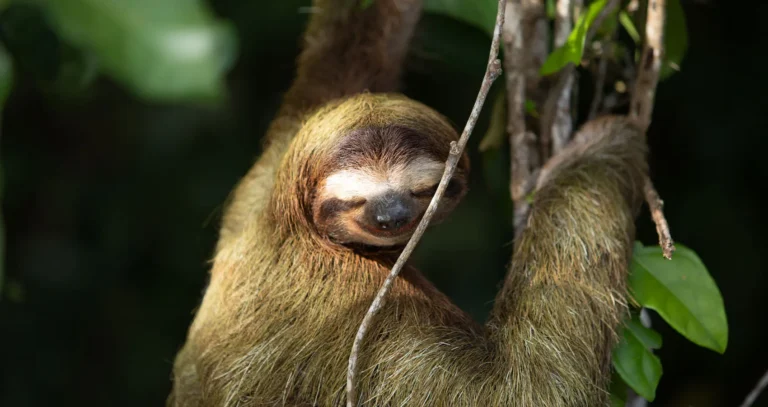
Primary forest on the Caribbean slope of the Talamanca range is home to sloths, howler and white-faced monkeys, toucans, poison dart frogs and a long list of forest birds. The lodge doesn’t publish a species list or promise sightings, and the forest is dense, so a good guide makes a big difference. Read our guide to Costa Rica’s private nature reserves for how reserves like this one protect wildlife alongside the national parks.
Sustainability
Selva Bananito holds the Basic level of the official Certification for Sustainable Tourism, issued on April 22, 2025 and valid to April 22, 2028, according to the CST listing. The CST summary describes it as a conservation tool protecting one of the most intact primary forests of the South Caribbean, the main source of water for Limón since 1995, with 30 years of work on protection and environmental education.
On its climate page, the lodge says it covers the carbon from guests’ international flights on longer direct bookings, through native-tree reforestation certified by a Costa Rican offset program. That is the lodge’s own claim.
Who it suits
Selva Bananito is for travelers who want to be inside the forest rather than near it: hikers, birders, families with adventurous teenagers and couples happy with lamplight and the sound of rain. The tours are physical, and the reward is forest few visitors see.
It is a poor fit for anyone who needs air conditioning, Wi-Fi in the room, or an easy drive in. For beach time afterward, Cahuita is under an hour away; La Rana de Cahuita is one option there. Browse all our Caribbean eco-lodges.
Frequently asked questions
Do I need a 4x4 to reach Selva Bananito?
Not necessarily. You can drive a normal car to Salón Delia in Bananito Norte and ride the lodge's transfer from there. With a 4x4 you can drive in yourself, but check river levels and the gate code by phone or WhatsApp on the day.
Is there electricity at the lodge?
There is no mains electricity, by choice. Water is solar heated and the evenings are lit by lamps and candles. Ask the farm office if you need to charge camera batteries.
Why does the reserve matter beyond the lodge?
It protects the upper Bananito River, the main water supply for the city of Limón, and forms part of the buffer zone of La Amistad International Park.
What is included in the all-inclusive rate?
Three meals, juice, a beer or glass of wine with dinner and one standard tour per day. Transfers from Salón Delia are extra on that plan, according to the lodge.