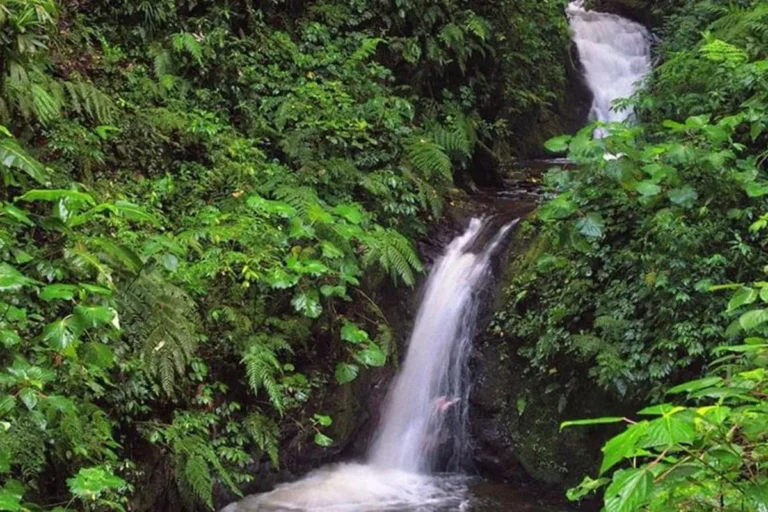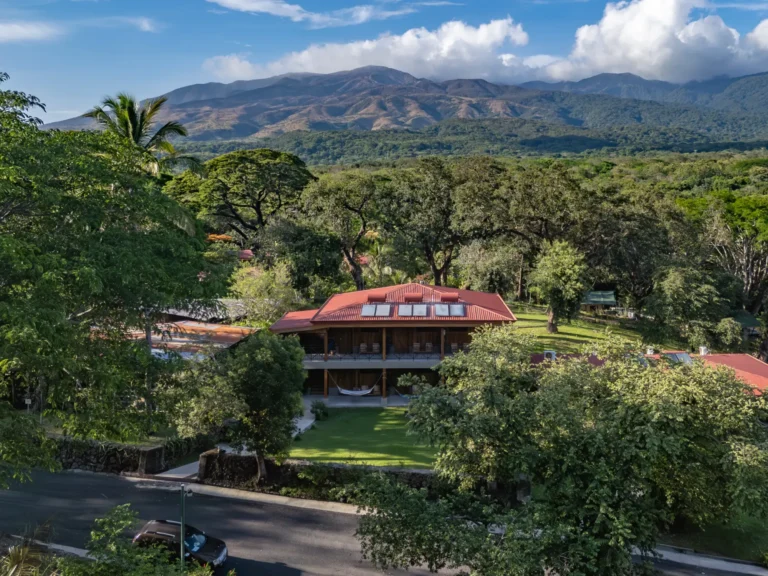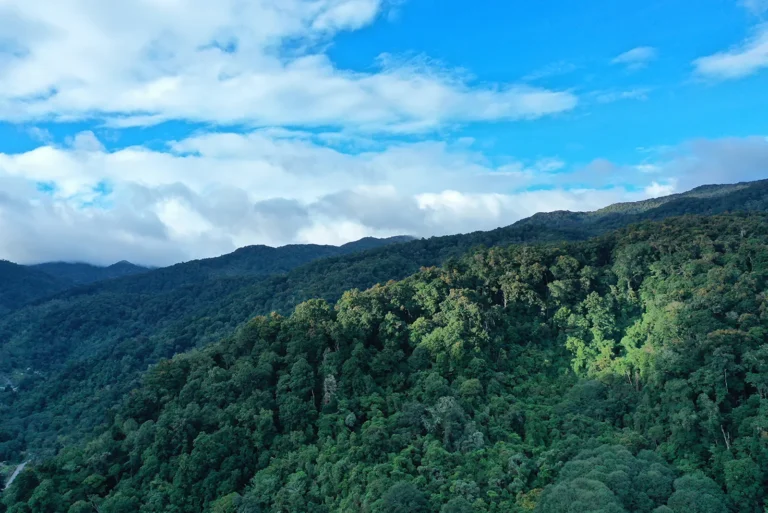
Costa Rica is one of the few places where you can surf a warm point break in the morning and walk through protected rainforest in the afternoon, often from the same lodge. This guide covers how the surf works on each coast, which areas suit which level of surfer, and the eco-lodges on our site that put you close to good waves without giving up on nature or sustainability.
Why Costa Rica works for a surf trip
According to the national tourism board’s surfing page, Costa Rica has about 1,466 kilometers (908 miles) of coastline and four main surf zones: the Caribbean coast and the North, Central and South Pacific. Most of the breaks are on the Pacific, with the largest number in Guanacaste. The country hosted the ISA World Surfing Games in 2009 and again in 2016, when the event was held at Playa Jacó.
For eco-minded surfers, the attraction is what surrounds the breaks. Several of the best surf beaches sit inside or next to protected areas: Playa Guiones in Nosara is part of the Ostional National Wildlife Refuge, Cabo Matapalo lies about 20 kilometers from Corcovado National Park, and the beach breaks of Cocles on the Caribbean border the Gandoca-Manzanillo National Wildlife Refuge.
What makes a lodge good for surfers
Not every beach hotel is a surf lodge, and not every surf camp is an eco-lodge. When choosing, look for:
- Walking access to a break, or daily transport to one. A short walk saves hours over a week.
- Lessons with certified local coaches, who pick the beach and time to match your level and the day’s swell.
- A real nature story: a private reserve, protected beach or forest trails, so the non-surfing hours are as rich as the sessions.
- Verifiable sustainability. The official CST directory lists hotels certified under Costa Rica’s Certificate for Sustainable Tourism. Our guide to the CST certification explains the levels, and how to choose a sustainable hotel covers what to ask when a lodge isn’t certified.
- Honest information about road access, power and Wi-Fi. Many of the best-placed lodges are off-grid.
The surf regions at a glance
| Region | Best-known waves | Suits | Eco-lodges on our site |
|---|---|---|---|
| Nosara (Guanacaste) | Playa Guiones beach break | All levels, especially beginners and longboarders | Harmony Hotel, Lagarta Lodge, The Gilded Iguana |
| Southern Nicoya | Santa Teresa, Mal País, Playa Hermosa; Montezuma for a quieter base | Beginners to advanced | Anamaya, Canaima Chill House, OCiO Villas |
| Osa Peninsula | Cabo Matapalo right-hand point breaks; Pan Dulce for learners | Intermediate to advanced, beginners at Pan Dulce | Encanta la Vida, Bosque del Cabo, El Remanso, Ojo del Mar |
| South Caribbean | Salsa Brava (Puerto Viejo), Playa Cocles | Salsa Brava experts only; Cocles intermediate | Geckoes Lodge |
When to go
Surf runs year-round in Costa Rica, but each coast has its moods. The tourism board’s surfing page flags June to October as the main surfing months, when the Pacific receives its biggest swells; that’s also the rainy “green” season, with fewer visitors and greener forest. The dry months from December to April generally bring smaller, cleaner waves on the Pacific, which many beginners prefer, and sunnier days for everything else.
The Caribbean is less consistent and depends on passing storm swells. If you’re planning a Caribbean surf trip, ask your lodge what the last few weeks have looked like before you commit.
For wildlife timing (turtle nesting, whales, birding), see our best time to visit for wildlife and ecotourism.
Nosara: a protected beach and a surf town
Playa Guiones is one of Costa Rica’s most popular places to learn, a long beach break with no buildings on the sand because the beach lies inside the Ostional refuge. SINAC describes the refuge as protecting the world’s main olive ridley turtle nesting site at nearby Ostional.
- The Harmony Hotel sits right on Playa Guiones, offers each guest a daily yoga class and holds CST Elite, the top level of the national certification.
- Lagarta Lodge, also CST Elite, is a quieter choice on a ridge above the Nosara Biological Reserve, with trails through dry forest and mangroves down to the river mouths, a short drive from the surf at Nosara and Guiones.
- The Gilded Iguana is a social surf hotel with its own surf club, five minutes on foot from Playa Guiones North.
Southern Nicoya: Santa Teresa, Mal País and Montezuma
The southern tip of the Nicoya Peninsula has consistent beach breaks from Playa Hermosa through Santa Teresa to Mal País, with Cabo Blanco Absolute Natural Reserve at the very end of the road.
- Anamaya Resort is a clifftop yoga and wellness retreat in the forest above Montezuma, with wide ocean views, a saltwater infinity pool and organic meals. It pairs yoga with surf in some of its programs; see anamaya.com for current retreats. Montezuma is calmer than Santa Teresa, and the bigger surf beaches are a drive away.
- Canaima Chill House is a small jungle guesthouse about 500 meters from the beach in Santa Teresa and Mal País, with eight rooms and a scheduled shuttle.
- OCiO Villas Mal País offers private pool villas on a forested hillside near both the surf and Cabo Blanco.
Our southern Nicoya eco-lodges page lists more options.
Osa Peninsula: Cabo Matapalo’s point breaks
Cabo Matapalo, where the Golfo Dulce meets the Pacific, has some of the country’s best right-hand point breaks and some of its best wildlife. The tourism board notes shared taxis from Puerto Jiménez and river crossings on the way. Expect howler monkeys and scarlet macaws as part of the surf session soundtrack.
- Encanta la Vida says on its website that it’s the only beachfront lodge in Matapalo. It’s solar-powered and all-inclusive, sits a short walk from a right point break, and runs beginner lessons in Pan Dulce Bay.
- Bosque del Cabo was founded in 1990 by a surfer who came for the waves; its 750-acre reserve has trails down to the Pacific and the Golfo Dulce, and the lodge arranges surfing.
- El Remanso Lodge is a rainforest lodge on the cape with surf lessons alongside canopy tours, waterfall rappelling and guided hikes.
- Ojo del Mar is a small bamboo lodge on the beach with daily yoga and beginner surf lessons at Pan Dulce.
Corcovado National Park is a day trip from all four. See our Corcovado and Osa Peninsula guide and Osa Peninsula eco-lodges.
South Caribbean: Salsa Brava and Cocles
On the Caribbean, the tourism board describes Salsa Brava in Puerto Viejo as a heavy reef wave for experienced surfers only, and Playa Cocles, about 2 kilometers away, as a beach with good waves and lifeguard posts. Manzanillo, farther south, has calmer options.
- Geckoes Lodge rents private jungle houses in Cocles, a short drive from Puerto Viejo, and makes a comfortable base between surf sessions and the forest.
Browse more Caribbean eco-lodges, many of which are within reach of Cocles.
Staying safe in the water
Don’t count on finding a lifeguard on a Costa Rican beach, and treat rip currents as the main hazard. The US National Weather Service’s rip current safety page advises checking local conditions, swimming at lifeguarded beaches where possible, and remembering that rips often form on calm, sunny days. If you’re caught, don’t fight the current; swim parallel to shore until you’re out of it, or float and signal for help.
A few more habits help:
- Take a lesson on your first day at an unfamiliar beach, even if you surf at home.
- Ask about reefs, rocks and river mouths. The tourism board warns that crocodiles have been seen near the river mouth at Witch’s Rock in Guanacaste.
- Respect lineups and locals, and don’t paddle out at a reef break beyond your level.
- Protect the reefs and beaches you surf: pack out trash and avoid stepping on coral.
Frequently asked questions
Which Costa Rican surf area is best for beginners?
Playa Guiones in Nosara is the classic choice, with a long beach break and a protected, undeveloped beachfront. Santa Teresa and Mal País also have learner-friendly days, and on the Osa, the lodges at Cabo Matapalo send beginners to the gentler waves of Pan Dulce.
Is there surf all year?
Yes. The Pacific gets its biggest swells from roughly June to October, and the dry season brings smaller, cleaner waves. Because each coast has a different pattern, there's usually something rideable somewhere.
Do surf eco-lodges have board rental and lessons?
Most of the lodges in this guide arrange lessons with certified local coaches, and some have their own surf clubs. Board rental varies, so ask before you pack.
Which surf lodges are CST certified?
Among the lodges here, the Harmony Hotel and Lagarta Lodge in Nosara hold CST Elite in the official directory. Others publish their own practices (solar power, local hiring, private reserves) without certification, which our profiles note.
Can I combine surfing with wildlife watching?
Easily. Cabo Matapalo lodges sit at the edge of Corcovado's forests, Nosara's beaches belong to a turtle refuge, and Cocles borders the Gandoca-Manzanillo refuge. See our wildlife watching guide for more.
Is a surf camp the same as a surf eco-lodge?
Not always. A surf camp focuses on coaching packages, often with shared rooms. Our Costa Rica surf camps page covers that style; this guide focuses on lodges where nature and sustainability are part of the stay.