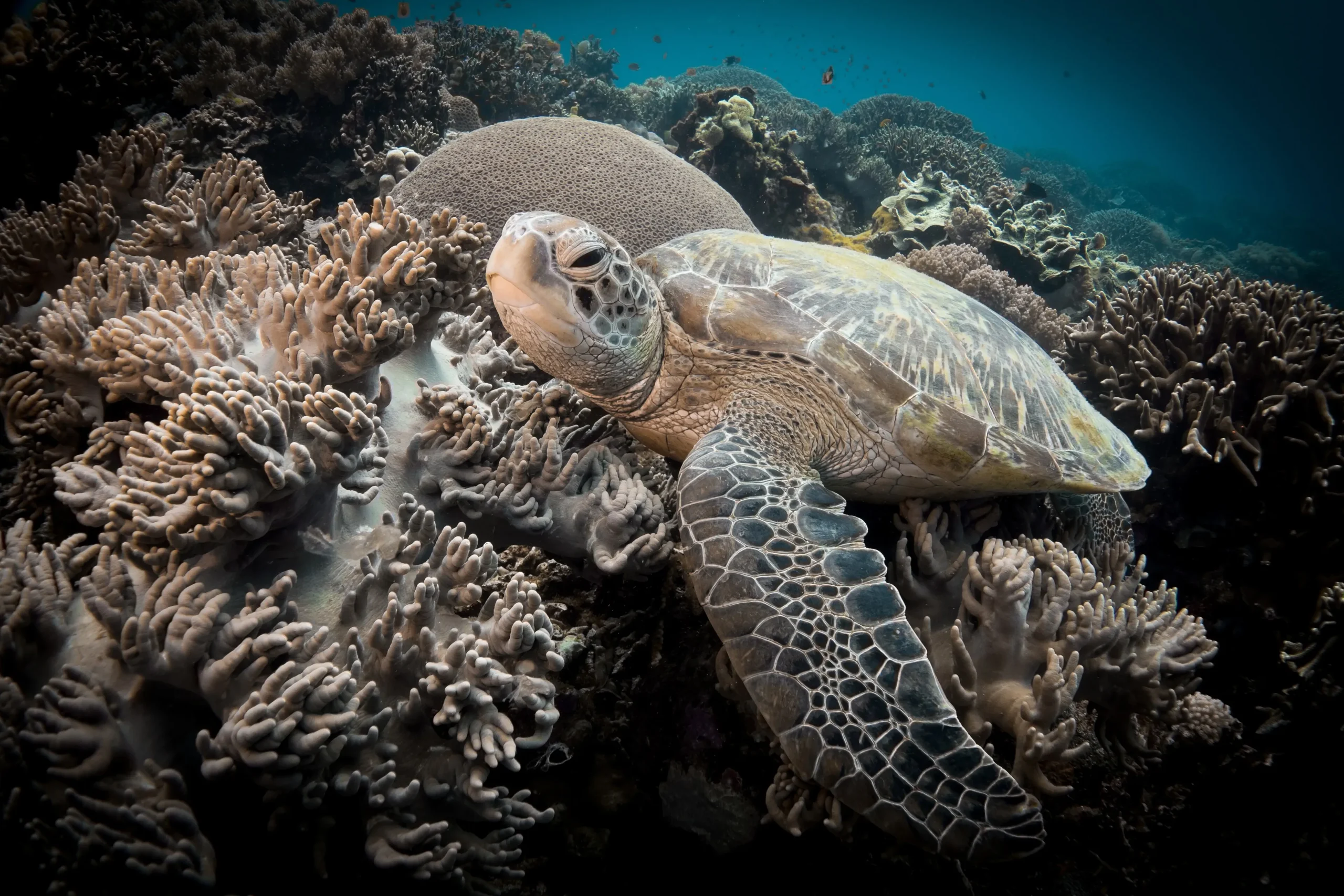

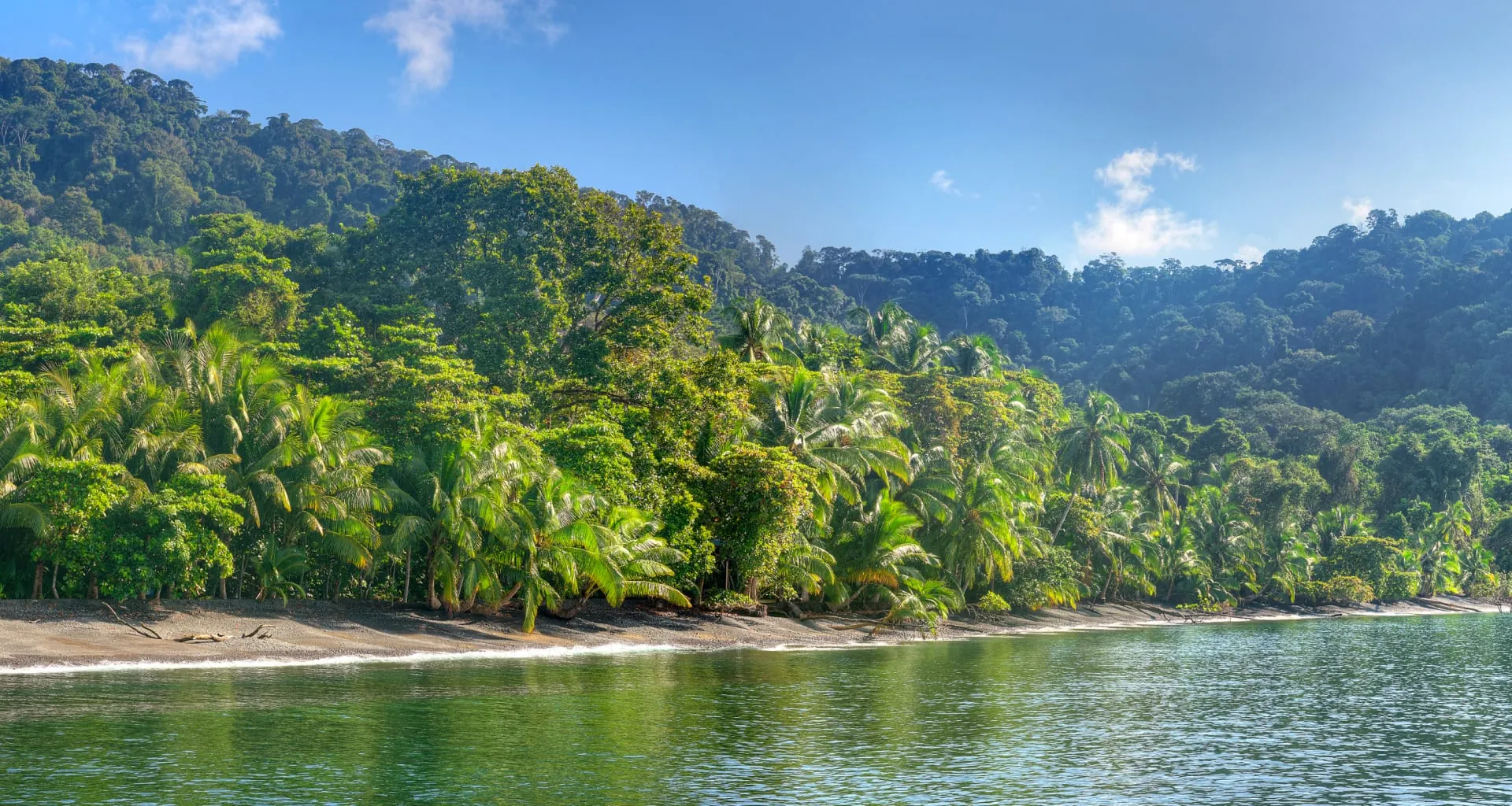
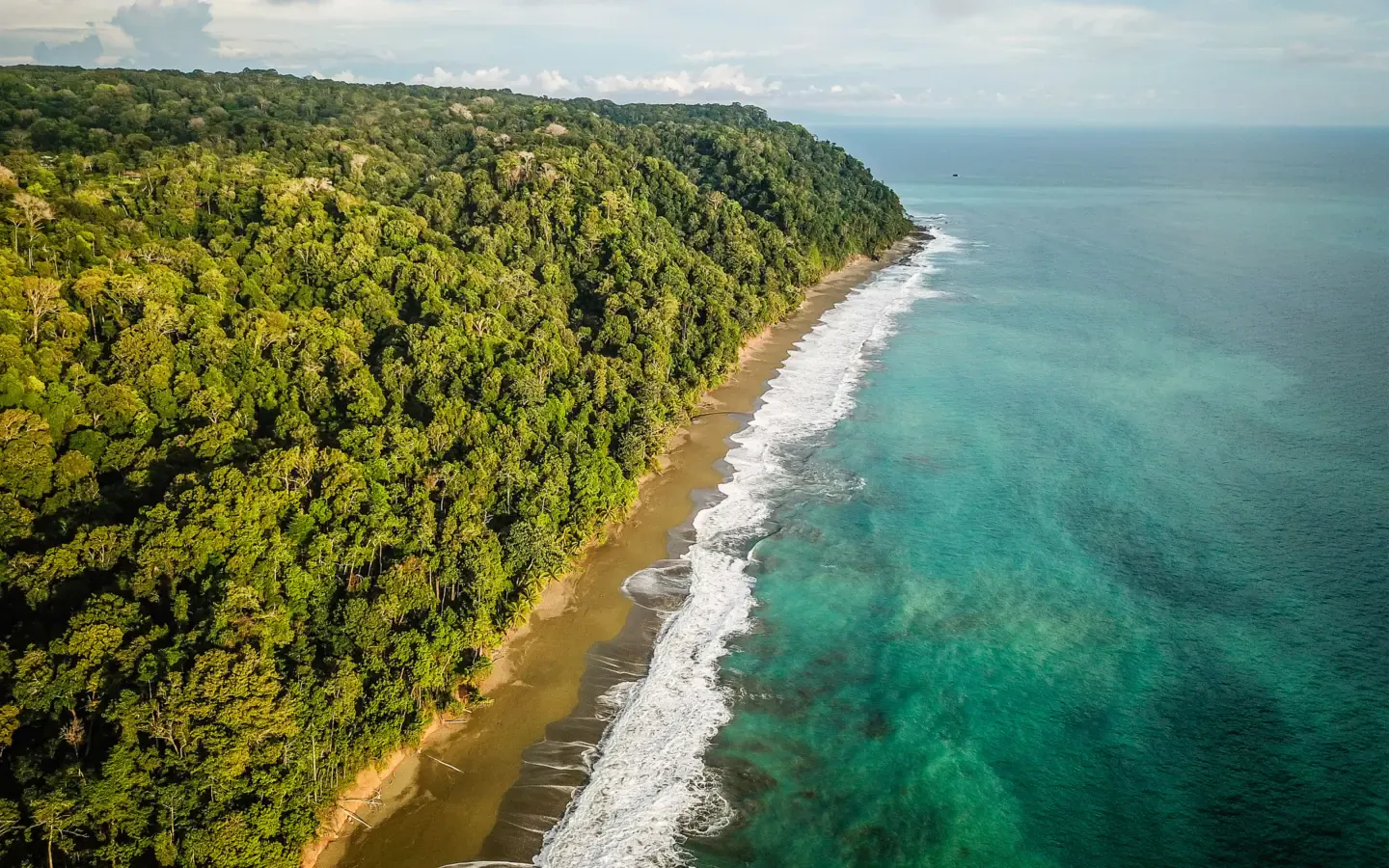
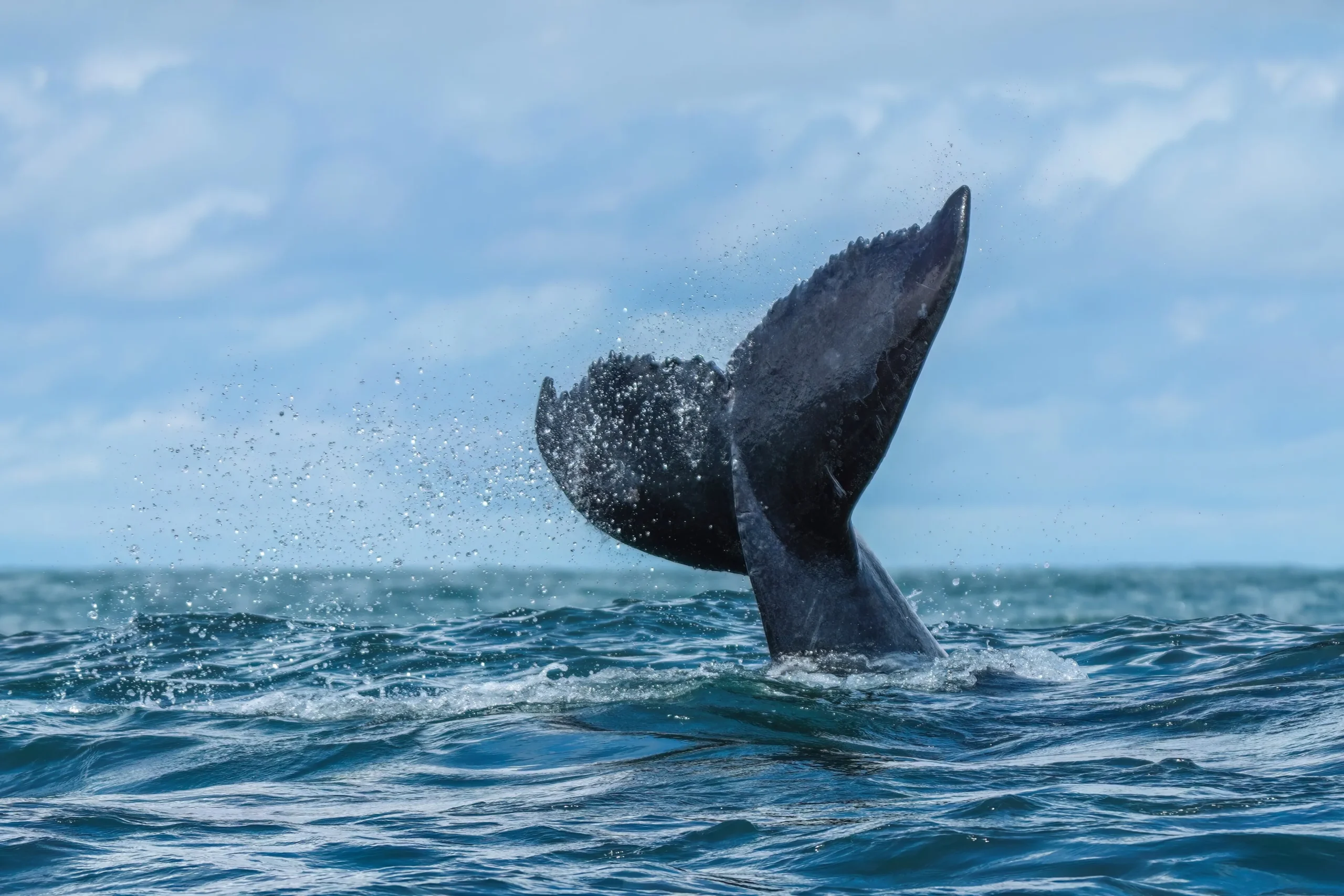
Costa Rica’s most famous wildlife lives on land, but its marine reserves deserve just as much attention. Reef fish school over volcanic rock, rays glide across sandy bottoms and, far offshore, hammerhead sharks gather around seamounts. The Pacific and Caribbean offer very different underwater experiences, and knowing those differences is the best way to choose a destination responsibly and avoid disappointment.
Snorkeling is usually best in protected bays on calm days, while many of the country’s celebrated dives happen around offshore islands and exposed rocky reefs. Visibility and currents change with season, swell and rainfall. No operator can promise a particular animal, perfect water or access to a site that’s unsafe on the day. This guide compares the main destinations, explains the official rules that apply in each and names lodges that put you within reach of good water.
Pacific or Caribbean: which coast suits you?
The Pacific has the greater range of boat dives: Isla del Caño off the Osa Peninsula, the rocky islands of the Gulf of Papagayo in Guanacaste, Marino Ballena National Park near Uvita and, for advanced divers only, remote Cocos Island. Much of the Pacific seafloor is rock with scattered coral platforms rather than the broad, shallow reef flats some travelers expect from the Caribbean islands.
The southern Caribbean coast around Cahuita, Punta Uva and Manzanillo is the opposite: true coral reef close to shore, often reachable from the beach or by a short boat ride. Visibility there can be excellent on calm days and poor after heavy rain or rough seas, so local conditions matter more than a simple dry-season label.
For a first-time snorkeler, a calm, professionally guided outing beats a trip chosen only because a place has a famous name. For divers, current, depth, certification level and emergency planning become central to the choice. Our marine life guide explains the animals you’re likely to meet on each coast.
Diving and snorkeling destinations compared
| Destination | Protection and size | Underwater character | Best for | Key rules and limits |
|---|---|---|---|---|
| Isla del Caño (off Drake Bay) | Biological reserve: 320 ha land, 5,800 ha sea | Five coral platforms, rock pinnacles, reef fish, whitetip reef sharks | Snorkelers and divers of most levels | Reservation, registered local guide, max 10 people in the dive and snorkel zone at once |
| Cahuita | National park: about 23,290 ha marine | The most developed coral reef on the Caribbean coast | Guided reef snorkeling | Designated snorkel zones; never stand on coral |
| Gandoca-Manzanillo | Wildlife refuge with about 5 km² of reef | Brain corals and sea fans off Punta Uva, Manzanillo and Punta Mona | Shore and short-boat snorkeling | No collecting shells or coral; sea state decides |
| Gulf of Papagayo (Guanacaste) | ACG marine sector: 43,000 ha | Rocky islands, manta and eagle rays, sharks, turtles | Boat diving from Guanacaste | Strong currents at some sites; cool water December to March |
| Marino Ballena (Uvita) | National park: 5,160 ha marine, 17 coral species | Rocky islets and reef patches | Snorkeling and whale-season boat trips | Whale’s Tail sandbar open only at low tide |
| Cocos Island | National park, UNESCO World Heritage Site | Seamounts, schooling hammerheads, pelagic sharks | Experienced divers on liveaboards | Park authorization, groups of max 12 including guide |
Isla del Caño: the southern Pacific’s best day trip
Isla del Caño sits 16 kilometers off the northwest coast of the Osa Peninsula. According to SINAC’s Isla del Caño page, the biological reserve was created in 1978 and protects 320 hectares of land and 5,800 hectares of sea. Its waters hold one of the most extensive and best-preserved coral formations on Costa Rica’s Pacific coast, with five coral platforms ranging from 0.8 to 4.2 hectares. The same waters are a nursery area for humpback whales from both the Northern and Southern Hemispheres, as well as resident dolphins.
The rules are strict, and they’re what keep the reef healthy. SINAC says the island can be reached only by boat from Drake Bay, Uvita or Sierpe; visits run from 8 a.m. to 3 p.m.; reservations open a maximum of eight days ahead; and every visitor must go with a certified local guide or diver registered with the Osa Conservation Area’s tourism office. Recreational diving and snorkeling are allowed only in designated zones, no more than ten people may be in the dive and snorkel area at one time, anchoring is limited to one spot 200 meters off the ranger station, single-use plastic is banned and touching or feeding wildlife is forbidden. SINAC’s page still says landings on the beach and trails are suspended and only the marine area is open, so confirm the current situation with your operator.
Drake Bay is the natural base, and several lodges there organize Caño trips directly:
- Aguila de Osa Inn in Drake Bay runs dedicated Caño Island scuba packages. Its own description of the diving is refreshingly specific: moving between rock and coral formations with small caves and pinnacles, groupers, frogfish and moray eels, and whitetip reef sharks often seen in small groups.
- La Paloma Lodge stands on a cliff above the Pacific at Drake Bay, backed by forest, and offers Caño Island snorkeling alongside visits to Corcovado.
- Corcovado Wilderness Lodge (formerly Casa Corcovado Jungle Lodge) sits on 189 acres of rainforest with 2 kilometers of oceanfront, bordered by national park and reserve land. It offers Caño Island snorkeling and diving and lists the marine conservation group Innoceana as a research partner, with an adopt-a-coral program for guests.
Caño pairs naturally with a forest trip. Our Corcovado and Osa Peninsula guide covers the park’s reservation and guide rules, and the Osa Peninsula eco-lodges page lists more places to stay.
Golfo Dulce: calm water, honest expectations
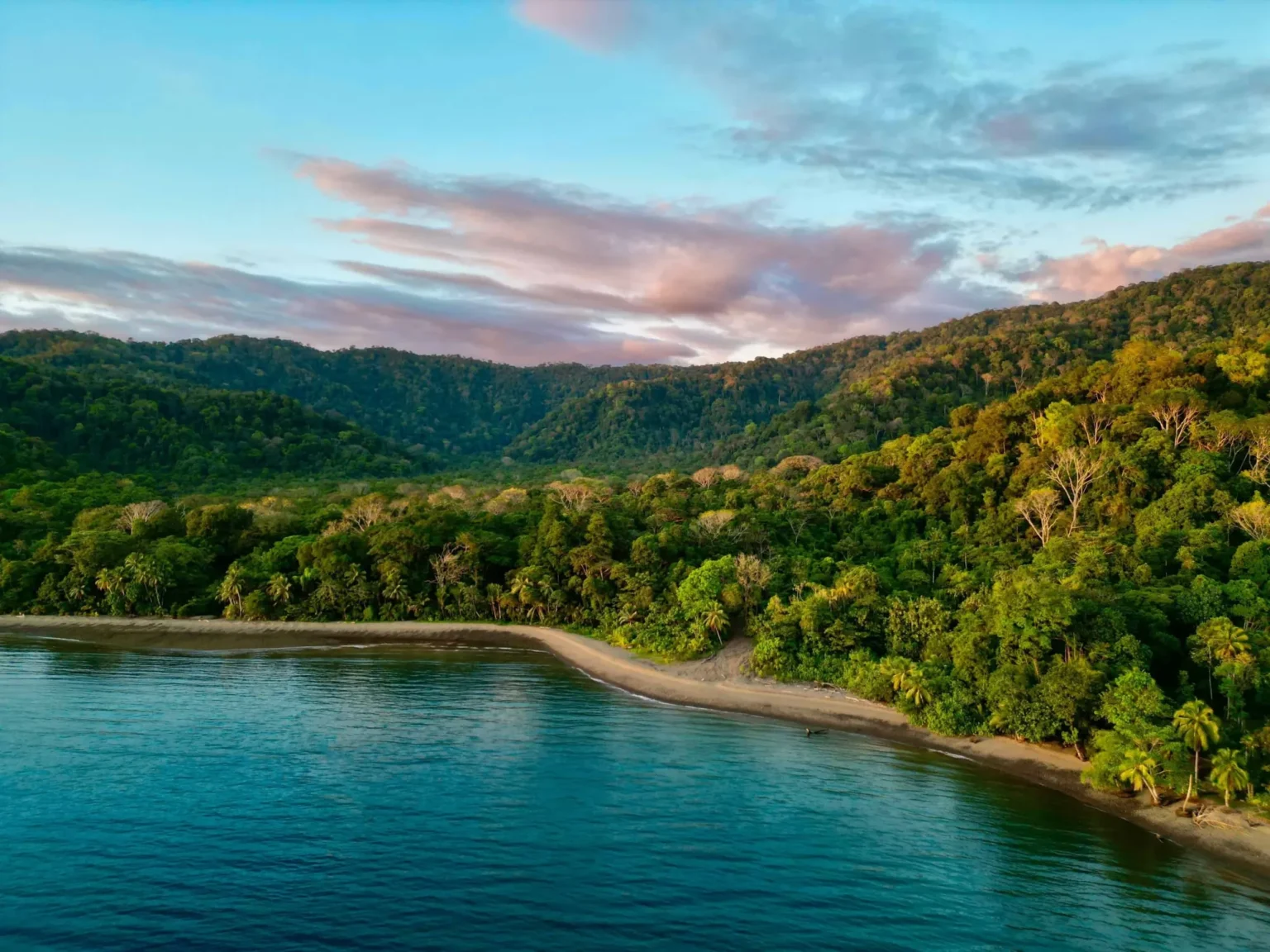
Golfo Dulce, on the inland side of the Osa Peninsula, is a deep, sheltered gulf with calm water, dolphins year-round and humpbacks in season. It’s lovely for kayaking and gentle snorkeling, but it isn’t a classic reef-diving destination, and the best lodges say so plainly.
- Bosque del Cabo, a 750-plus-acre forest reserve on the cliffs of Cabo Matapalo at the tip of the Osa Peninsula, is candid on its own site: snorkeling inside the gulf is generally not the greatest, because of erosion from mining between the 1960s and 1980s, logging and road building, although some reefs show signs of recovery. It recommends snorkeling around low tide, combined with a dolphin or boat tour, and arranges Caño Island diving for guests who want more.
- Playa Cativo Lodge is reachable only by boat and lies within a 1,000-acre private nature reserve on Golfo Dulce, next to Piedras Blancas National Park. Kayaks, stand-up paddleboards and snorkeling gear are available for use in Cativo bay.
- Saladero Lodge sits inside Piedras Blancas National Park on the gulf’s shore and reopened after a full renovation. It offers a boat trip to watch dolphins (and whales in season), snorkeling at a local coral reef and kayaking through the mangroves, and it runs mangrove and seagrass nurseries and a coral restoration project.
Our Southern Pacific eco-lodges page covers the Golfito side of the gulf and the coast north to Uvita.
Marino Ballena National Park: snorkeling in whale country
North of the Osa, Marino Ballena National Park protects 5,160 hectares of sea and 171 hectares of land along a 15-kilometer coastline near Uvita, according to SINAC’s Marino Ballena page. The park was created in 1992 after local residents and small-scale fishers pushed to protect their waters from industrial shrimp trawling. SINAC lists 17 coral species here, along with spotted and bottlenose dolphins, manta rays and hammerhead sharks, and names snorkeling, diving and kayaking among its permitted activities. The famous Whale’s Tail sandbar can be walked only at low tide, so check the tide table before you go.
Snorkeling here is usually around the rocky islets offshore rather than from the beach, and visibility varies with river runoff. Many visitors combine a snorkel stop with a whale-watching trip. The two Pacific humpback seasons are explained in our whale-watching and dolphin tours guide.
Guanacaste: the Gulf of Papagayo
Guanacaste’s dive scene runs from beach towns such as Playas del Coco and Flamingo to rocky islands offshore, including the Catalinas and the Bat Islands (Islas Murciélago). The Bat Islands lie within the marine sector of the Área de Conservación Guanacaste, whose marine sector covers 43,000 hectares and extends 12 nautical miles (22 kilometers) offshore. The ACG notes that the Murciélago group is Costa Rica’s only archipelago and that its waters hold manta rays, eagle rays, cownose rays, sharks, turtles and, depending on the month, humpback whales. Sites around the outer islands can have strong current, so they suit experienced divers.
Water temperature is the thing to plan around. The ACG says trade winds blow mainly from December to March, pulling cold water up from the deep: temperatures can drop to 16°C (about 61°F) in deeper water while the surface stays near 28°C (82°F). That upwelling feeds plankton and big animals but can cut visibility and surprise divers who packed a thin wetsuit. Ask which exact site you’ll visit, whether it suits your certification, and how the operator changes plans when conditions turn.
For lodges in the region, see our Guanacaste eco-lodges page; most dive boats leave from the beach towns, so check the transfer time before you book.
Cahuita and the southern Caribbean reef
Cahuita National Park was first protected in 1970 specifically to save its coral reef, and it became a national park in 1978. SINAC’s Cahuita page puts the park at about 23,290 marine hectares and 1,102 land hectares, and describes its reef as the most developed on Costa Rica’s Caribbean coast. Designated snorkeling zones show brain coral, elkhorn coral, sea fans, French and queen angelfish, lobsters and turtles. Entry at Playa Blanca, next to Cahuita village, is by voluntary contribution, and SINAC recommends hiring one of the community’s trained local guides. Its rules are short and clear: don’t stand on coral.
A few kilometers south, the Gandoca-Manzanillo Wildlife Refuge protects about 5 square kilometers of reef off Punta Uva, Manzanillo and Punta Mona, including brain corals and sea fans. SINAC asks visitors not to stand on coral or take shells or coral, and to use biodegradable sunscreen.
- Almonds and Corals sits in the jungle about 2 kilometers before Manzanillo, close to beaches the hotel describes as ideal for snorkeling and diving in the Caribbean, and runs guided rainforest walks.
The southern Caribbean is a strong choice if you want to combine snorkeling with rainforest walks, Afro-Caribbean food and culture, and nesting turtles in season (see our sea turtle nesting guide). Browse more stays on our Caribbean eco-lodges page.
Cocos Island: an expedition, not a day trip
Cocos Island National Park lies about 500 kilometers off the Pacific coast. It was declared a national park on June 22, 1978, and became a UNESCO World Heritage Site in 1997, as Teletica reported. In December 2021 a government decree expanded the park from 2,034 to 54,844 square kilometers, larger than Costa Rica’s entire mainland, to protect nearby seamounts (Delfino.cr).
There’s no hotel and no day trip. Visitors arrive on licensed liveaboard boats, and the park’s own rules are some of the tightest in the country: entry requires written authorization from the park’s conservation area, direct requests must be filed at least 15 days ahead with each diver’s certification, dive groups are limited to 12 people including the guide, and until carrying-capacity studies are finalized the park allows no more than 60 people diving per day and three daytime groups per site. Rangers assign specific sites and times to each vessel so groups don’t overlap, and a park officer usually joins at least one dive to watch diver behavior.
Protection on paper isn’t the whole story. A study of 21 years of dive logs at Cocos, published in Conservation Biology, found that 8 of 12 monitored shark and ray species declined significantly, including scalloped hammerheads (down 45 percent), whitetip reef sharks (77 percent) and manta rays (89 percent), while tiger, Galápagos, blacktip and whale sharks became more likely to appear. The authors’ point: marine reserves need real enforcement against illegal fishing. Choosing operators who follow the park’s rules, and reporting what you see, supports that work.
Cocos suits experienced divers who are comfortable with depth, current and being far from a hyperbaric chamber. Our page on nitrox diving at Cocos Island covers one of the practical questions divers ask. If you’re newly certified, Caño or Cahuita will be far more rewarding.
Corals under pressure
Costa Rica’s reefs are living systems under strain. In April 2024, NOAA confirmed the fourth global coral bleaching event and listed Costa Rica among the eastern tropical Pacific countries where mass bleaching had been confirmed since early 2023. Bleached coral isn’t necessarily dead, and some recovers, but stressed reefs are more vulnerable to sediment, pollution and careless fins.
Reef health also depends on what happens on land. Soil erosion, poorly treated sewage, plastics and coastal construction all reach the water. That’s why the sustainable choice isn’t always the hotel closest to the sand: a forested property with good wastewater treatment, low lighting and partnerships with responsible marine operators may do more for the reef. Our guide to choosing a sustainable hotel explains what to ask. If an operator or lodge shows a sustainability credential, check it: Costa Rica’s CST certification now has two levels, Basic and Elite, not the old five-leaf scale.
Choosing a responsible dive or snorkel operator
Ask whether the company follows protected-area rules, uses moorings instead of dropping anchor on reef, handles fuel and waste carefully and trains guides in wildlife etiquette. Small groups reduce crowding at a site, and in Caño and Cocos the group limits are written into law.
Look for clear safety information: certification requirements, refresher options, equipment maintenance, buddy procedures, emergency oxygen on board and an evacuation plan. Avoid anyone who pressures you into a dive beyond your training or treats touching, chasing or feeding animals as part of the show. Rays, sharks, turtles and dolphins should never be baited or handled for photos.
Good buoyancy is a conservation skill: fins stir up sediment and break coral, and even bare-looking rock supports living things.
Snorkeling safety for beginners and families
A shallow-looking reef can still have current, boat traffic, surf and sharp rocks. Choose calm conditions and a site with qualified supervision. A properly fitted mask matters more than an expensive camera, and fins help you move efficiently but can damage coral if you kick too close.
Children should be supervised in the water by an adult who can swim confidently and respond to trouble. If someone can’t float comfortably, ask for a flotation vest rather than letting them stand on coral or rock. A sheltered spot such as Cahuita’s Playa Blanca section, with a local guide, is a gentler first experience than an open-ocean boat trip. Our family ecotourism guide has more ideas for mixed-age groups.
Seasons, visibility and planning
No coast offers perfect conditions every month. On the Pacific, the dry season runs roughly January to April around Caño and mid-December to mid-April at Marino Ballena, according to SINAC, and rain runoff near river mouths cuts visibility later in the year. In Guanacaste, the December to March winds bring cooler, plankton-rich water. On the Caribbean, local rain and swell matter more than any national calendar. Our best time to visit guide maps seasons region by region.
Ask your operator about typical visibility and current at your chosen sites during your actual week, and keep a backup plan. A rainforest lodge with its own trails turns a canceled boat day into a good nature day. Remote lodges in the Osa and Golfo Dulce often depend on boats and small planes; our guide to reaching remote eco-lodges explains the logistics.
Finally, leave a gap before flying home. The Divers Alert Network recommends a minimum surface interval of 12 hours after a single no-decompression dive and 18 hours after multiple dives or multiple days of diving, and longer after decompression dives. Follow your dive computer if it asks for more.
Frequently asked questions
Where is the best snorkeling in Costa Rica?
For clear water and healthy coral close to shore, the Cahuita reef and the Gandoca-Manzanillo coast on the southern Caribbean are the strongest options on calm days. On the Pacific, Isla del Caño offers the best-preserved coral platforms, but it requires a boat trip, a reservation and a registered guide.
Can I visit Isla del Caño without a tour?
No. SINAC requires a reservation (no more than eight days ahead) and that every visitor enter with a certified local guide or diver registered with the Osa Conservation Area. In practice, you book through a lodge or a licensed operator in Drake Bay, Sierpe or Uvita.
Can beginners dive at Cocos Island?
It isn't recommended. Cocos is a remote liveaboard destination with deep water, strong currents and long distances from emergency care. The park requires each diver's certification with the entry request, and operators set their own experience minimums. Newer divers do better at Caño, Marino Ballena or the calmer Papagayo sites.
Why is the water so cold in Guanacaste in the dry season?
Strong trade winds from December to March push surface water offshore and draw cooler, nutrient-rich water up from below. The Área de Conservación Guanacaste reports deep-water temperatures as low as 16°C (about 61°F) in that period. Bring a thicker wetsuit and expect variable visibility.
Are shark sightings guaranteed?
No. Wildlife presence depends on species, season, water temperature and natural behavior, and long-term data from Cocos show that some species have declined. Ethical operators don't promise or manufacture encounters by baiting animals.
Is reef-safe sunscreen required?
SINAC's guidance for Cahuita and Gandoca-Manzanillo recommends biodegradable sunscreen. A rash guard or thin wetsuit is the simplest way to cut how much sunscreen goes into the water.